
How to Design Characters for Custom Plush Toys
Custom plush toys have been popular for many years for children and collectors. They provide comfort, whimsy, and nostalgia for the user. Each plush toy comes with proper character design which allows connection with the user. Whether the custom plush toy is for a brand, a gift, or a collectible, the character design must be well understood. This article analyzes the process of designing characters for custom plush toys and how to make them truly memorable.

Why Designing Characters for Custom Plush Toys is Important
Whether you’re designing a plush toy for children, collectors, or as part of a branding strategy, character design plays a crucial role in ensuring that the custom plush toy not only stands out but also connects with its intended audience.
1. Establishes Emotional Connection
Emotional engagement is the foremost reason for the importance of character design in custom plush toys. The design encompasses a character’s face and the colors used, which communicates the personality of the character. It can evoke a range of feelings from calmness and joy to even nostalgic. For children, plush toys can become companions and adults, including collectors, can form attachments. The better and more appealing the plush design is, the more intense the emotional connection for the owner.
2. Appeals to Target Audience
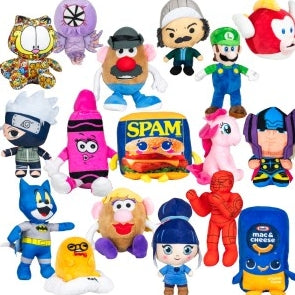
Character design allows you to tailor the plush toy to specific audiences, ensuring it appeals to the people most likely to connect with it.
This chart provides how different target audiences influence the character design elements of custom plush toys. Each group has its own preferences and emotional connections, guiding the design choices for plush toys that will resonate best with them.
| Target Audience | Character Design Features | Emotional Appeal | Design Focus |
| Children | Soft, simple shapes; bright colors; cute animals or friendly faces | Comfort, security, joy, playfulness | Cuddly, safe, easy to hug, simple expressions |
| Teens/Young Adults | Trendy or humorous designs; more detailed features; pop culture references | Nostalgia, humor, self-expression, style | Unique, stylish, and fun designs with trendy elements |
| Adults/Collectors | Realistic or sophisticated designs; may include accessories or special details | Sentimental value, artistry, nostalgia | High-quality, intricate designs, attention to detail, exclusivity |
| Brand/Commercial Use | Customized brand mascots, logo-inspired designs; unique color schemes tied to branding | Brand recognition, loyalty, emotional connection | Consistent with brand identity, easily recognizable |
| Special Interest Groups | Characters related to specific hobbies or fandoms (e.g., fantasy, gaming, animals) | Passion, fandom, personal connection | Custom designs reflecting specific interests or subcultures |
| Luxury or Limited Edition | Premium materials, intricate details, custom accessories, often in limited runs | Exclusivity, status, collectibility | High-end features, unique and rare designs |
3. Strengthens Brand Identity
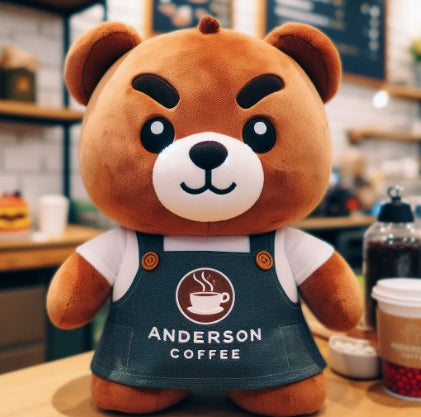
As a part of a branding strategy, promotional custom plush toys can serve as effective marketing tools for a company, franchise, and even events. In this case, the character design is a continuation of the branding effort. Consider a mascot crafted to mirror a brand’s attributes, personality, and colors. The plush toy is seen as a representation of the brand and, because of this, strong character design is crucial for enhancement of recognition and recall of the brand. It is not surprising that many businesses apply promotional custom plush toys because they can function as effective brand representatives.

4. Enhances Marketability and Appeal
When it comes to marketability, character design plays a vital role. In a crowded market, a custom plush toy with a distinctive and attractive character design has a better chance of success. In fact, character design will determine how memorable a plush toy will be. Whether it is a whimsical design of a fantastic creature, the realistic features of a popular character, or the realistic details of an animal, distinctive and well-thought designs will attract potential buyers.
5. Builds Storytelling Potential
Each plush toy has a story to tell, be it a story book, a movie, or the child’s imagination. Character design is vital to materializing those stories. When a plush toy is designed with a particular story in mind, for example, a heroic plush character designed for an adventure or an animated sidekick, it encourages storytelling. Many design features contribute to a character’s story, including the character’s pose, facial expression, and the accessories. All of these features transform a plush toy from mere an object to a character with story potential.
6. Ensures Longevity and Collectibility
The character design of a custom plush toy can positively impact its longevity and collectibility. Plush toys that are well designed are likely to become cherished keepsakes. Collectors seek plush toys with distinct character designs. Unique designs are more likely to be preserved over time and cared for. Culturally and nostalgically significant designs can elevate the collectibility and sentimental value of plush toys.
7. Influences Sensory Experience
The character design of plush toys includes tactile features that impact the sensory experience. Aspects of character design—the materials, softness, and texture—determine how plush toys feel when held. Character design that considers both appearance and touch guarantees the toy offers warm and satisfying sensory input. Sensory-rich designs enhance immersion and fascination with the toy.
8. Drives Emotional and Commercial Success
Ultimately, well-executed character design drives the emotional and the commercial success of a product. A plush toy can become more than a product if it resonates with an audience on an emotional level. People keep and collect, and give, and gift items with emotional attachments. Positive free advertising and demand will follow. When character design is done well, a plush toy can be a product that has significant commercial value, whether it is a part of larger brand and campaign, or an independent creation, it is a meaningful product.
The Process of Designing Characters for Custom Plush Toys
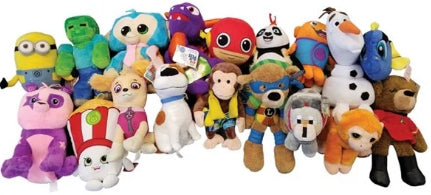
Understanding the steps involved in designing characters for custom plush toys ensures that the final product is both visually appealing and emotionally resonant.
1. Defining the Character’s Identity
The first step in creating a custom plush toy is to understand the character’s identity. Every creative process begins with the conceptualization stage. At this stage, the character is really just an idea in the designer’s head, but this idea will act as the basis for everything else to come. The creator will have to figure out the character’s personality, which traits he or she will have, and how those traits will be expressed visually.
Should the character be sweet and huggable, or tough and enigmatic? Will it be a mischievous creature or a soothing friend? The character’s traits will direct many of the design choices in the subsequent stages. For example, the target audience will have different expectations. A child’s toy for instance, will be designed to be simple, colorful and friendly, while a collector’s piece will be intricately designed and more sophisticated.
By identifying the character’s fundamental identity as closely as possible—its personality, function, and emotional value—the creator will be prepared to design a work with maximum audience impact.
2. Exploring and Refining Visual Designs
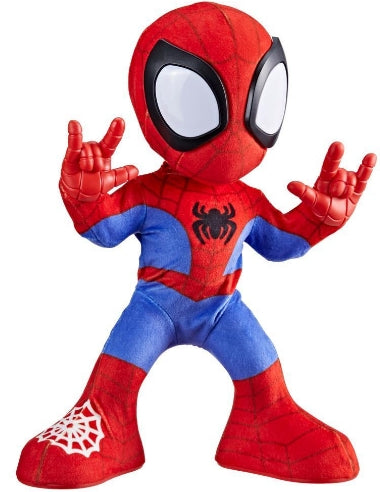
After conceptualizing a character’s identity, a designer proceeds to the next phase of sketching and visual exploration, where a character begins to take form. This includes making several sketches and visualizing varying elements. The designer assesses different styles and character outlines to identify the most suitable for the character’s personalized style.
In character design, different styles and outlines can work to either enhance/undermine particular character traits. Characters can be designed to convey different traits using different outlines, as different outlines suggest different messages and traits. The design outlines and styles utilized to create a character, create the characters first impression and emotion, thus making them a vital part of the design process.
Character design includes the face as a vital part. Different outlines and styles can dramatically change the overall tone of a character, where large features suggest happiness and joyful invitation. The character’s eyes, scale and position, can dramatically change how they are perceived and also change the emotions they convey. In design, the face and character outlines convey the characters emotion and overall tone.
3. Color Selection
After defining the character’s basic form and attributes, the next task is selecting a color range representative of the character’s traits and emotional state. The selection of color tones is essential as they evoke emotional responses.
This chart offers the emotional impact, common associations, and best use cases for various colors in custom plush toy character design.
| Color | Emotional Impact | Common Associations | Best For |
| Bright Yellow | Cheerful, energetic, optimistic | Sunshine, happiness, warmth | Child-friendly toys, playful characters |
| Soft Pink | Sweet, calm, gentle, loving | Softness, love, innocence | Toys for young children, cute animals, gentle creatures |
| Sky Blue | Calm, peaceful, trustworthy, serene | Sky, tranquility, peace | Relaxing toys, characters meant for comfort or calm |
| Bright Red | Bold, passionate, exciting, energetic | Passion, action, love | Superhero toys, action figures, toys for energetic kids |
| Pastel Colors | Soft, comforting, dreamy, playful | Spring, gentleness, creativity | Plush toys for babies or soft, comforting characters |
| Green (Soft or Mint) | Fresh, calming, balanced, natural | Nature, growth, renewal | Nature-based characters (e.g., forest creatures, animals) |
| Orange | Warm, friendly, fun, enthusiastic | Energy, fun, adventure | Adventure-themed toys, toys for toddlers |
| Purple (Lavender) | Royalty, mystery, creativity, sophistication | Luxury, fantasy, wisdom | Fantasy characters, magical creatures, premium products |
| White | Pure, clean, innocent, peaceful | Purity, cleanliness, simplicity | Soft, angelic characters, winter-themed plush toys |
| Black | Strong, elegant, mysterious, sophisticated | Elegance, power, sophistication | Luxury or themed characters (e.g., villains, mysterious figures) |
| Brown | Earthy, grounded, stable, natural | Nature, reliability, warmth | Animal plush toys (e.g., bears, dogs, bunnies) |
| Metallics (Gold, Silver) | Glamorous, special, unique, sophisticated | Prestige, celebration, elegance | Premium plush toys, limited-edition designs |
| Gray | Neutral, calm, balanced, understated | Sophistication, calmness, neutrality | Elegant characters, older audience plush toys |
Moreover, the selection of color positively contributes towards the memorability of the character. The character is more likely to be recognized if it is assigned a consistent color range, distinguishing it from competitors. The character’s essence is captured and conveyed even prior to the experience of tactile, sensory interaction, illustrating the significance of color in character portrayal.
Alongside the primary color range, the choice of materials will significantly define the sensory attributes of the plush toy. The plush, fleece, and velour materials are desirable not only because they are comforting, but also because they evoke tactile and emotional responses. A character design can be more visually and physically interesting by incorporating a variety of textures, whether it is a smooth finish or a more textured fabric like corduroy.
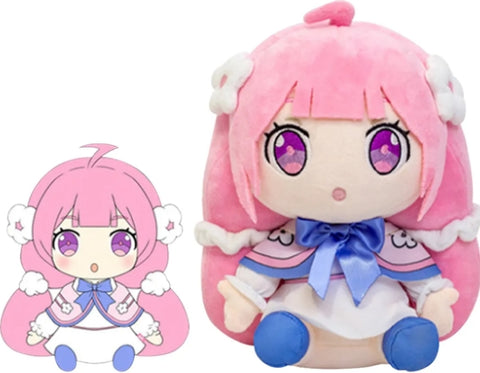
Custom Character Plush Toy
4. Personality through Details and Accessories
As design progresses, the addition of small details and accessories begin to enhance the personality of the character. These features illuminate the distinction of a custom plush toy from its mass-produced counterparts. The addition of accessories such as hats and scarves, glasses, or even small shoes, and other character features flatten or harmonize the personality of the character. For example, a character that has a toy wizard’s hat or a superhero cape suggests a narrative as a backstory, transforming the toy into a storytelling object.
Embellishments such as embroidery, stitched patterns, or the use of applique create surface interest to the plush toy and make it visually more appealing. The design of the character’s eyes and other facial features, as well as the mouth, require stitching that is functional but also expressive. The emotion that a character conveys is dictated by small shifts in the placement of stitches, thus determining the character’s narrative.
5. Testing and Refining the Prototype
After the character design is finalized, the next step is to bring it to life, which is done as part of prototype development. Designers see how their ideas work in the physical world. A prototype is also used to assess the design’s overall aesthetics, tactile quality, and overall structural integrity. At this stage, the designer evaluates whether the proportions, textures, and colors of the plush toy harmonize. It is also an opportunity to evaluate the size and stuffing of the toy, as well as the quality of the stitching, to ensure it is safe and durable for use.
At this stage, finishing touches to the appearance and functional attributes of the toy are performed. For instance, in some cases, a character can be designed to look great, but when assembled, it may feel too top-heavy which will require the designer to make adjustments to the proportions. Often, the choice of materials may need to be revised to achieve the desired comfort or durable properties. Ensuring these attributes will help make certain that the final product will be visually appealing and will be loved by the intended audience.

Troubleshooting Common Issues during the Process of Designing Characters for Custom Plush Toys
This chart identifies common issues that may arise during the process of designing custom plush toys and offers potential solutions to troubleshoot them.
| Issue | Potential Causes | Solutions | Why It Matters |
| Unclear Character Identity | Lack of defined personality or vague concept; over-complicating design with too many traits. | Simplify the character’s traits; focus on one core personality; clarify backstory if necessary. | A clear character identity ensures emotional connection with the target audience. |
| Imbalanced Proportions | Over-exaggeration of body parts, unclear body shape, or inconsistent size relations between head, body, and limbs. | Adjust proportions during sketching; focus on visual harmony and balance; ensure head-to-body ratio is appropriate. | Balanced proportions create an appealing, visually consistent design. |
| Too Complex a Design | Adding excessive details, accessories, or patterns that clutter the character. | Simplify design elements; limit accessories or intricate details to keep the character clear and memorable. | A simpler, more focused design is easier to produce and more marketable. |
| Inappropriate Facial Expression | Expressions that don’t align with the character’s personality (e.g., overly angry or sad when the character should be happy). | Adjust expression to match the intended personality; experiment with small changes to ensure emotional accuracy. | Facial expression plays a key role in conveying the character’s mood and appeal. |
| Incorrect Color Palette | Colors that clash, are too bright, or too muted, resulting in an overwhelming or dull design. | Select a consistent, harmonious color scheme; test different palettes before finalizing. | Color sets the tone for the character and affects emotional connection. |
| Uncomfortable or Unsafe Materials | Using materials that are too rough, irritate skin, or are not durable enough for frequent handling. | Choose hypoallergenic, soft fabrics like fleece or cotton; ensure fabric durability and safety for intended age group. | Comfort and safety are key for plush toys, particularly for children. |
| Lack of Emotional Connection | Character feels too generic or unreliable. | Add unique details or quirks to make the character more engaging; ensure the design matches the character’s backstory. | Emotional connection is critical for making a plush toy beloved by its owner. |
| Inconsistent Design in Prototype | The prototype doesn’t match the sketches in terms of size, color, or proportions. | Refine prototype, adjusting stuffing, stitching, and materials; make sure proportions are maintained. | Prototypes are a test for the final product and should reflect the initial vision. |
| Excessive Manufacturing Costs | Overly intricate designs, complex materials, or excessive details. | Simplify design to reduce production costs; consider using cost-effective materials for custom plush manufacturing while maintaining design integrity. | Cost-effective designs help maintain a profitable production process. |
| Poor Durability or Wear and Tear | Weak stitching, poor-quality stuffing, or flimsy fabrics that wear out quickly. | Strengthen stitching, use high-quality, durable fabrics, and ensure even distribution of stuffing. | Ensuring durability is important for the long-lasting enjoyment of the plush toy. |
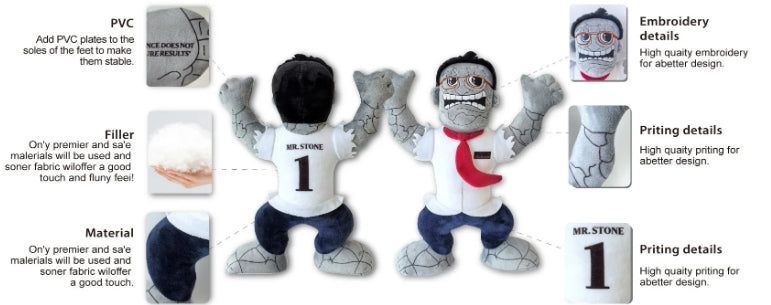
Summary
Designing characters for custom plush toys requires both artistry and scientific knowledge. Understanding your audience from an emotional point of view, mastering design principles, and creating an emotional bond with your audience. Distinguishing personality traits, identifiable and favorite visual features and basic overall design facilitates the creation of customized plush toys. With creativity and careful attention to detail, your characters. custom plush toy will bring joy, comfort, and companionship to your audience.