
What are Custom Options in Plush Mascots: How to Choose
Custom plush mascots help brands, organizations, sports teams, and events create memorable visual identities. Standard stuffed toys are usually fixed in style. With custom plush mascots, you can choose the shape, colors, materials, and features that fit a brand’s vibe. From promotional campaigns to merchandise programs, businesses can choose a wide range of customization options to create a distinctive plush mascot that connects with their target audience.
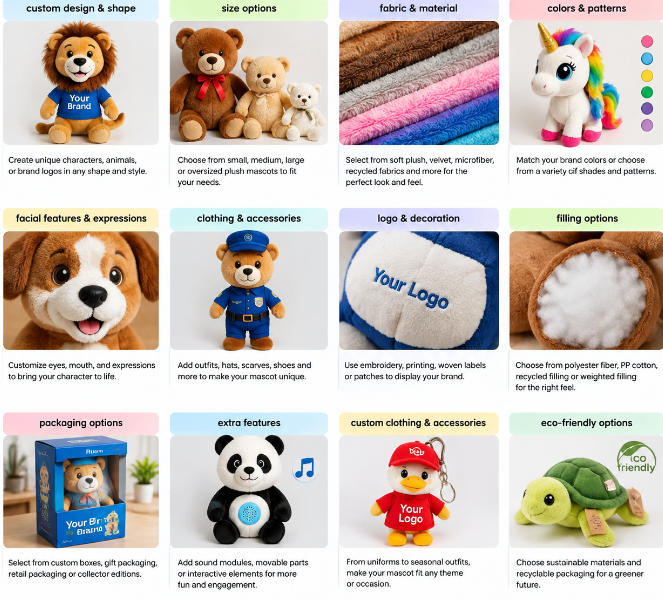
Common Custom Options in Plush Mascots
1. Custom Design and Shape Options
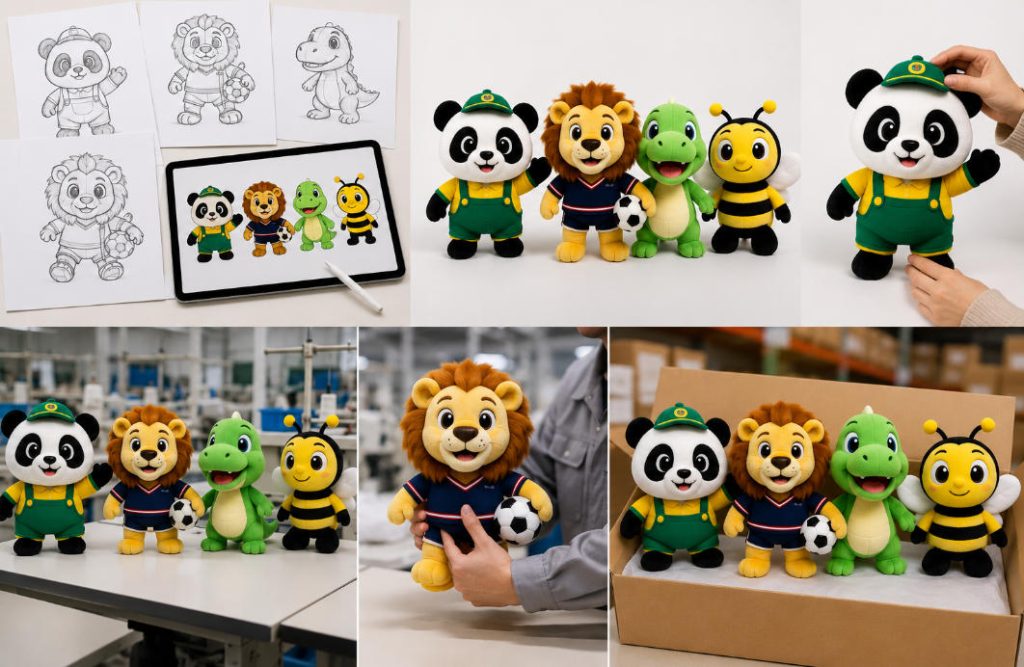
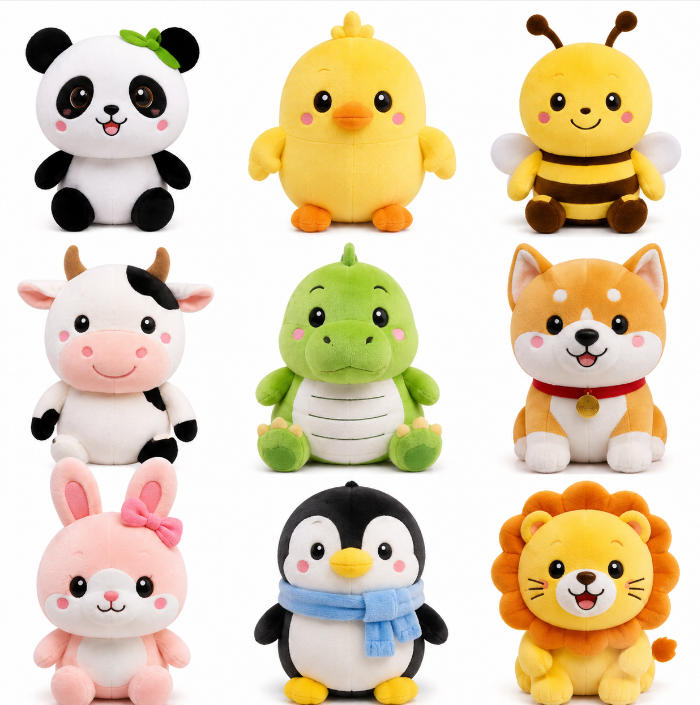
The mascot’s design and shape set the mood right away. Manufacturers can design mascots from brand logos, known characters, animals, made up creatures, or brand new ideas.
A brand can adjust the body shape, how the parts line up, and the overall art style. Some brands want a cute cartoon look for kids. Others may want a more serious or realistic look. Odd shapes and clear concepts can make the plush stand out and be easier to spot.
2. Custom Size and Dimensions
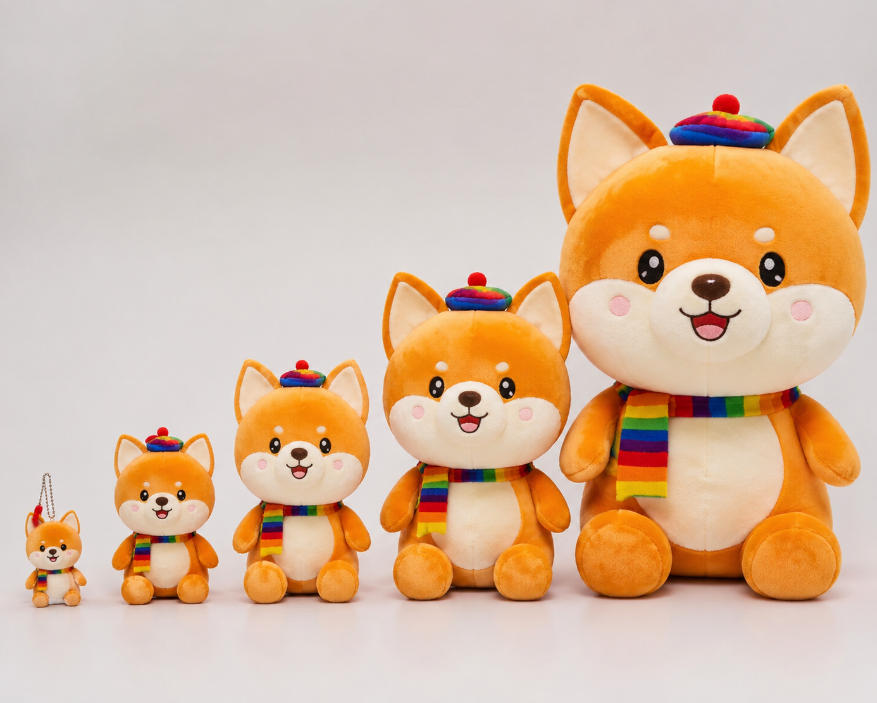
The size of a plush mascot can be customized according to its purpose and application. Different sizes provide different user experiences and display effects.
Typical size options include:
| Size Option | Common Applications |
| Small plush mascots | Promotional gifts, giveaways, keychains, and retail products |
| Medium plush mascots | Brand merchandise, customer gifts, and event souvenirs |
| Large plush mascots | Display models, photo props, and exhibition decorations |
| Oversized plush mascots | Brand attractions, stage events, and special campaigns |
Choosing the right size helps balance production costs, transportation requirements, and customer engagement.
3. Custom Fabric and Material Selection
The fabric choice directly affects the appearance, texture, and durability of a plush mascot. Different plush materials can create different visual and tactile experiences.
| Fabric / Material Option | Features | Advantages |
| Soft Plush Fabric | Smooth, fluffy, and comfortable surface with a classic stuffed toy appearance | Provides a soft touch, attractive look, and wide usability |
| Short Pile Plush Fabric | Dense fibers with a smooth and neat surface | Suitable for detailed designs, easy to clean, and maintains shape well |
| Long Pile Plush Fabric | Longer fibers that create a furry and realistic texture | Offers a premium appearance and a more lifelike feel |
| Velvet Fabric | Smooth surface with a soft and elegant texture | Creates a high-quality appearance and comfortable touch |
| Microfiber Fabric | Fine synthetic fibers with a soft and durable finish | Provides durability, color stability, and easy maintenance |
| Fleece Fabric | Lightweight fabric with a warm and soft texture | Cost-effective, flexible, and suitable for various shapes |
| Cotton Fabric | Natural fiber material with a breathable texture | Eco-friendly option with a natural feel |
| Organic Cotton Fabric | Made from organically grown cotton fibers | Supports environmentally friendly branding and sustainable products |
| Recycled Fabric | Produced from recycled materials such as plastic bottles | Reduces environmental impact and supports green initiatives |
| Faux Fur Fabric | Mimics the appearance of real animal fur | Creates a realistic and high-end visual effect |
| Spandex / Stretch Fabric | Flexible material with elastic properties | Allows unique shapes and tight-fitting character designs |
| Printed Fabric | Fabric surface customized with patterns, graphics, or colors | Enables detailed visual designs and brand customization |
Selecting suitable plush mascot materials helps ensure that the product matches both the design concept and intended usage.

4. Custom Colors and Patterns
Colors are a big part of keeping the brand look steady. A custom plush toy manufacturer can match brand colors, blend new mixes, or add patterns that fit the mascot idea.
Companies can set colors and patterns like these:
- Color sets tied to the brand
- Color fades
- Printed designs
- Holiday or seasonal looks
- Texture choices in the fabric
When the color plan is correct, the plush mascot looks right for the brand and stays nice to look at for buyers.
5. Custom Facial Features and Expressions
Faces shape how the plush feels to people. Tiny changes in eye style, mouth shape, and expression can shift the mood.
Options can include stitched eyes, plastic safety eyes, set smile types, face details matched to a character, and different emotional looks. A warm expression can feel inviting. It can also help viewers feel more tied to the character.
6. Custom Clothing and Accessories
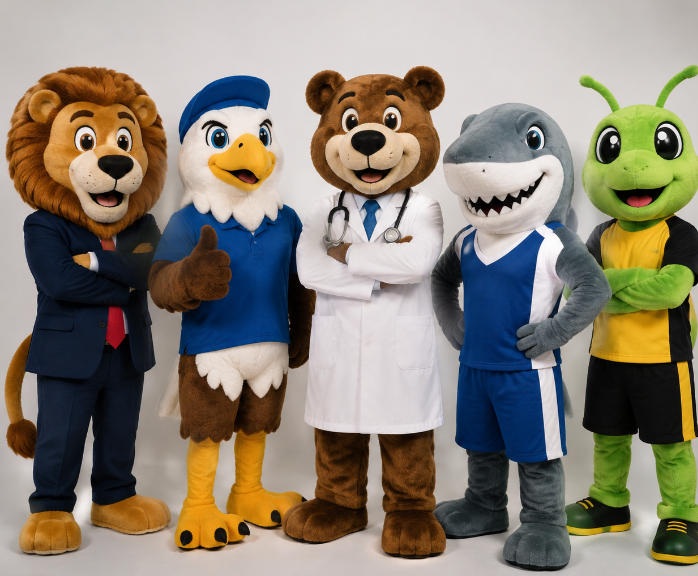
Adding clothing and accessories is an effective way to make plush mascots more distinctive and recognizable. Customized outfits can represent a company, team, event, or theme.
| Custom Option | Description | Features | Common Applications |
| Custom Uniforms | Miniature clothing designed to represent a company, team, or organization | Can include brand colors, logos, and specific designs | Sports mascots, corporate mascots, school mascots |
| Branded T-Shirts | Small customized shirts added to plush characters | Easy way to display slogans, logos, or promotional messages | Marketing campaigns, company gifts, event giveaways |
| Jackets and Coats | Outerwear designed for themed or seasonal mascot designs | Adds character style and supports special themes | Winter promotions, outdoor events, premium plush products |
| Hats and Caps | Decorative headwear customized for mascot characters | Enhances personality and allows additional branding space | Sports teams, brand mascots, promotional merchandise |
| Scarves and Ties | Small accessories that add color and character details | Suitable for seasonal themes and professional designs | Holiday mascots, corporate characters, gift products |
| Shoes and Footwear | Miniature shoes or boots created for plush figures | Improves character completeness and visual appeal | Cartoon mascots, collectible plush toys |
| Costumes and Themed Outfits | Special clothing designed around specific concepts or events | Supports storytelling and creates unique appearances | Festivals, holidays, entertainment characters |
| Protective Gear and Workwear | Industry-specific clothing such as helmets, vests, or uniforms | Represents professional roles and industry identities | Construction mascots, safety campaigns, company promotions |
| Character Accessories | Decorative items such as glasses, bags, tools, or props | Adds personality and makes the mascot more recognizable | Licensed characters, promotional mascots, collectibles |
| Seasonal Decorations | Holiday-related clothing and accessories | Allows limited-edition designs for special occasions | Christmas, Halloween, anniversary campaigns |
| Custom Embroidered Logos | Brand marks or text added directly to clothing or accessories | Creates a professional and durable branding effect | Corporate gifts, promotional products |
| Printed Patterns and Graphics | Customized images, slogans, or artwork applied to clothing | Supports detailed visual designs and creative concepts | Retail merchandise, character products |
| Removable Accessories | Detachable clothing or items that can be changed | Provides flexibility for different themes and campaigns | Collectible mascots, interactive plush products |
| Event-Specific Accessories | Customized items created for a particular activity or promotion | Helps connect mascots with specific campaigns or occasions | Exhibitions, trade shows, sports events |
For example, a sports team mascot can wear official team clothing, while a company mascot can include branded accessories to improve promotional impact.
7. Custom Embroidery, Printing, and Logo Applications
Brand elements can be added through different decoration techniques:
| Custom Method | Features |
| Embroidery | Creates a durable and premium three-dimensional effect |
| Heat transfer printing | Suitable for detailed graphics and colorful designs |
| Screen printing | Ideal for simple patterns and logos |
| Woven labels | Adds brand information and product details |
| Embroidered patches | Provides removable or decorative branding |
These methods help businesses integrate logos, slogans, and other brand information into plush mascot designs.
8. Custom Filling Materials
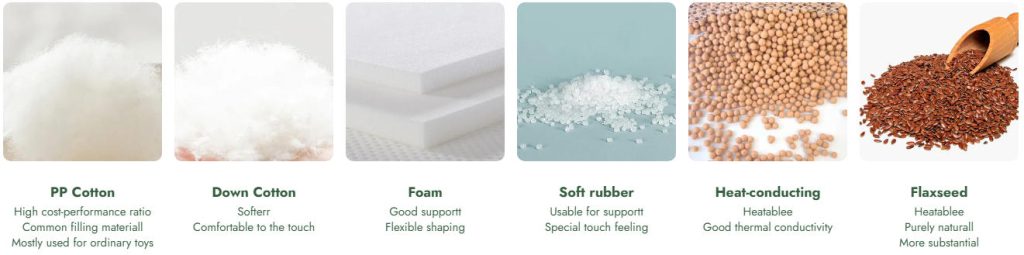
The filling affects how soft it feels, how it holds its shape, and what it looks like over time.
Common filling material options for plush toys include:
- Polyester fiber filling: light, soft, and used a lot in plush toys.
- Memory foam filling: feels more premium and bounces back better.
- Recycled filling materials: supports greener product plans.
- Weighted filling: helps mascots stay steady on display.
The right filling depends on how the mascot will be used, like hugging, decoration, collecting, or using it for a promotion.
9. Custom Packaging Options
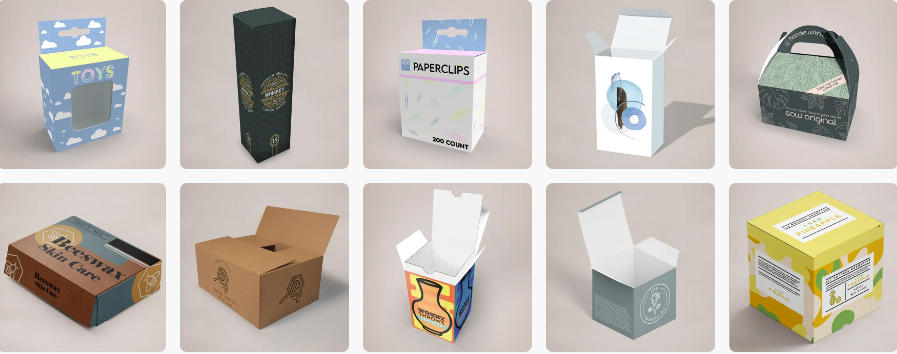
Customized packaging can make plush mascots look much better. This matters a lot for stores and for gift items. A brand usually wants the package to fit its own style. It also helps the product match its intended place in the market.
There are several choices brands can use. Some pick labeled boxes. Others use printed bags. Some want gift wrap styles or collector sets. There are also limited-run looks meant for special releases. Good packaging does two things at once. It keeps the plush safe. It also makes customers feel better when they open it.
10. Custom Functional Features
Plush mascots are not only about soft fabric and simple shapes. Newer designs can add extra parts that feel fun to use. Based on what the product needs, makers can include small sound units. They can also add parts that move. Some designs use special surface textures. Other creative add-ons are possible too.
These add-ons work well when the goal is more than basic holding. They can support school items, learning themes, and promotional events. They also fit well with character merchandise because they make people more interested. That often increases the perceived value.
Key Factors to Consider for Choosing the Right Custom Options in Plush Mascots
Selecting suitable customization options depends on the mascot’s purpose, target audience, and budget.
| Selection Factor | Recommended Custom Options | Considerations |
| Brand Identity | Custom shape, colors, logo embroidery, branded accessories | Choose designs that match the brand image, values, and visual style to improve recognition |
| Target Audience | Character style, facial expressions, fabric type, size | Select designs based on customer age, preferences, and expected interaction with the mascot |
| Purpose of Use | Promotional designs, collectible versions, display mascots, interactive features | Define whether the mascot will be used for marketing, retail sales, events, education, or decoration |
| Mascot Design Concept | Character shape, body proportions, clothing, accessories | Create a unique appearance that clearly communicates the mascot’s personality and story |
| Material Requirements | Plush fabric, short pile fabric, long pile fabric, eco-friendly materials | Consider softness, durability, appearance, safety, and maintenance needs |
| Size Selection | Small, medium, large, or oversized plush designs | Choose a size based on portability, display requirements, production cost, and user experience |
| Color Customization | Brand colors, special patterns, gradient effects, themed colors | Ensure colors match brand guidelines and remain attractive after production |
| Facial Features | Embroidered eyes, safety eyes, customized expressions, character details | Select suitable facial designs to create the desired emotional connection with users |
| Filling Material | Polyester fiber, PP cotton, memory foam, recycled filling, weighted filling | Select filling based on softness, shape retention, weight, and product positioning |
| Safety Requirements | Safe fabrics, secure stitching, child-safe components | Ensure materials and construction meet applicable toy safety standards |
| Production Quantity | Standard production, small-batch customization, mass production | Match customization complexity with order volume and manufacturing capabilities |
| Budget Planning | Material selection, design complexity, accessories, packaging options | Balance product quality and customization level with the available budget |
| Packaging Design | Branded boxes, gift packaging, retail packaging, collector packaging | Choose packaging that supports product presentation and customer experience |
| Sustainability Goals | Recycled fabrics, eco-friendly filling, recyclable packaging | Select environmentally responsible options to support green branding initiatives |
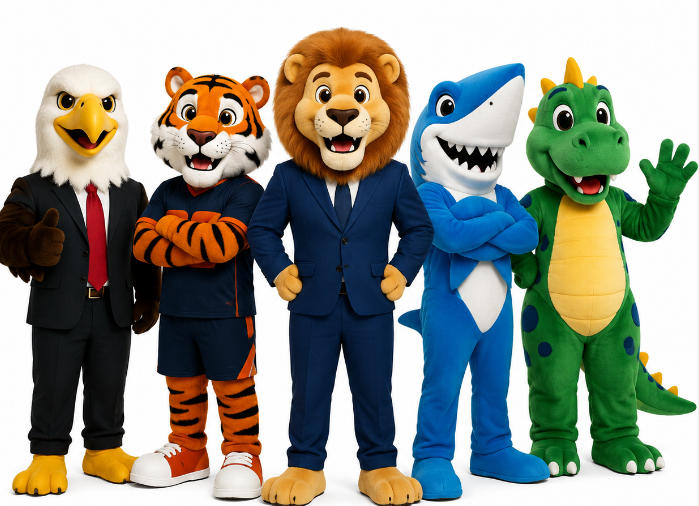
Applications of Custom Plush Mascots
Custom mascots show up in many areas. Businesses often use plush mascots as promotional gifts, brand merchandise, and event giveaways to increase customer interaction. In retail, some stores create plush characters as collectible items. That can help bring in more purchases.
In sports and in school settings, mascots are a common symbol. Teams and schools use them to represent groups and local communities. A plush version of a team character can turn into a popular souvenir. Fans often keep them as reminders.
Entertainment groups also rely on custom plush mascots. They use them to bring movie, game, and online characters into a physical form. Fans can connect with the character in a new way by owning a plush version.

Final Words
Custom options in plush mascots create many paths for standout products. People can adjust character design, materials, colors, accessories, decorations, and packaging to match specific brand requirements.
When designs are personal and the manufacturing quality is solid, custom plush mascots can do more than decorate shelves. They can help a brand get noticed, supporting better customer ties and creating lasting impressions.