
OEM vs. ODM Services in Custom Plush Manufacturing
The toy and gift market currently exists as a competitive environment where brands must select between two custom plush manufacturing methods, OEM(Original Equipment Manufacturer) and ODM(Original Design Manufacturer), to launch their plush products. For companies working with a custom plush manufacturer, understanding the differences between these service models is critical for controlling costs, protecting intellectual property, and accelerating time to market.
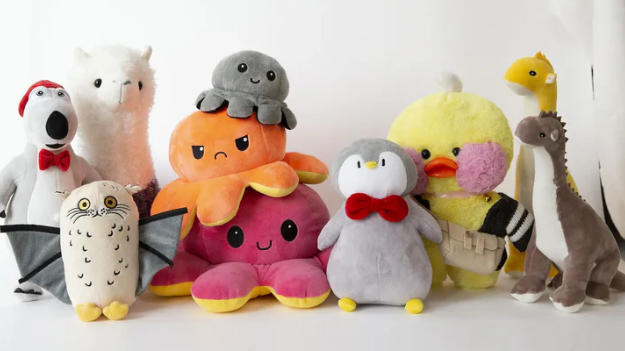
Understanding OEM Services in Custom Plush Manufacturing
In custom plush manufacturing, OEM services begin with a client’s original design in plushes. Working characters, 2D drawings, cons of 3D renderings, and production-ready technical drawings. Often, a hand-made plush proto-itype as well. Then, necessary resources like samples are made for approval, fabrics and fillings are picked, and the design is transformed into a production-ready set of patterns.
OEM is especially suitable for:
- Licensed character
- Corporate characters
- Brand-exclusive character sum collections
- Promotional plush tied to specific campaigns
The Process
- Creation of the Concept: Then does the pattern of the design firm park the designs or is it the design firm that specifies, the measurements, type of cloth(s) envisaged, and absolutely details of embroidery, safety standards, and specifications of packaging?
- The Making of the Patterns and Samples: At this stage, the use is made of internal patterns and one prototype sample is produced. Based on pray client feedback, modifications are made until such time that final approval is given.
- Material Sourcing: Fabric, padding (e.g. PP cotton), accessories, labels, and packaging are sought after according to the standards agreed.
- Mass Production: Once the pre-production sample is approved, the factory goes into bulk production under tight control for quality.
- Inspection and Compliance: Products are tested to comply with stringent safety regulations specific to their targeted markets, such as the United States, Europe, or Japan.

Advantages
- Full Creative Control: Clients can control all aspects of the design, from expression to position of stitch.
- Strong Brand Differentiation: Since the design is exclusive, distinguishing characteristics are more noticeable in a competitive retail environment or ecommerce scenario.
- Intellectual Property Protection: Ideal for IP-based products where the ownership can remain with the brand holder.
- High degrees of Customization: Even the structure, materials, functions (sound modules), and packaging could be tailor-made.
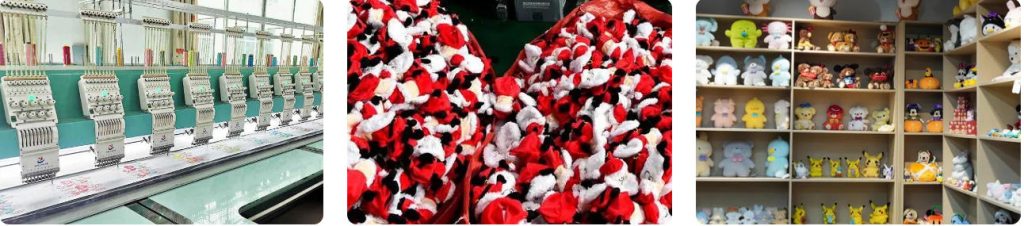
Limitations
- Reasonable Increase in Development Investment: Design refinement, sampling revisions, and tooling all can make the upfront costs to go up.
- High Length of Lead Time: Development cycles tend to be longer than ODM developements while totally starting from scratch.
- Clear Technical Communication: Detailed specifications and continuous interaction are extremely important in preventing any wrong happenings in production.
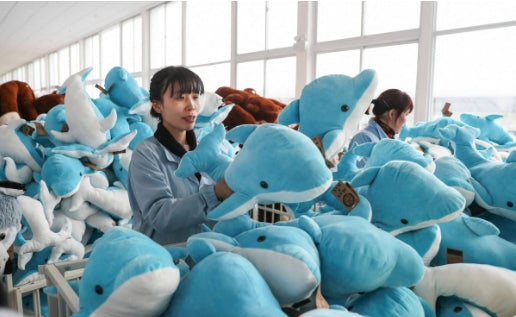
Understanding ODM Services in Custom Plush Manufacturing
ODM services are a popular and efficient solution in the custom plush industry, especially for brands seeking faster market entry and lower development costs. They begin with the manufacturer’s internal design library. These may include ready-made animal plush, cartoon-style characters, seasonal themes, keychain plush, or other standard shapes and structures.
Clients typically customize elements such as:
- Fabric color and texture
- Embroidery or printed logos
- Accessories (hats, clothing, tags)
- Packaging design
- Minor structural adjustments
The Process
- Design Selection: This is the expertise area held by the client. Here the client may select from the existing manufacturers’ catalog or some price tags of samples.
- Customization Discussion: It is a competent area on which color, branding, material, or size gets adjusted.
- Sample Modification: Ahead of production, sample alterations are carried out at the manufacturing end as per dictated consents.
- Approval and Production: Final execution for commercialization; the bulk production thus begins through internal channels previously installed by the manufacturer/factory.
- Quality Control and Compliance: Meanwhile, the products are screened according to every export regulation in regard to safety requirements.
Since much of the engineering work has already been completed, the process reduces technical risk and shortens the timeline.
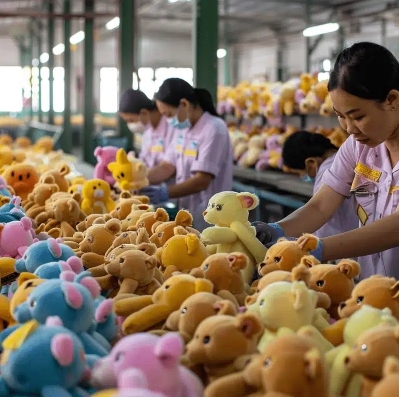
Advantages
- Faster Time to Market: Development does outmatch the contract base schedules on account of its already set patterns and production setups.
- Lower Upfront Investment: There is less to pay on developing designs and setting patterns.
- Reduce Technical Blueprint: The structure of engineering and optimization of worth remain in the hands of the manufacturer.
- Decrease Minimal Order Quantities: Remember that standardized production, with increased frequency, allows for a broad range of minimum quantities.
Limitations
- Exclusivity Is Limited: Base design can only be reproducible for other clients provided that exclusivity is not otherwise guaranteed.
- Limitation for Composition Changes: Enormous changes in shape or structure tend to be out of the question.
- Similarity with Available Products: Designs may emanate with different labels but also occur in the market.
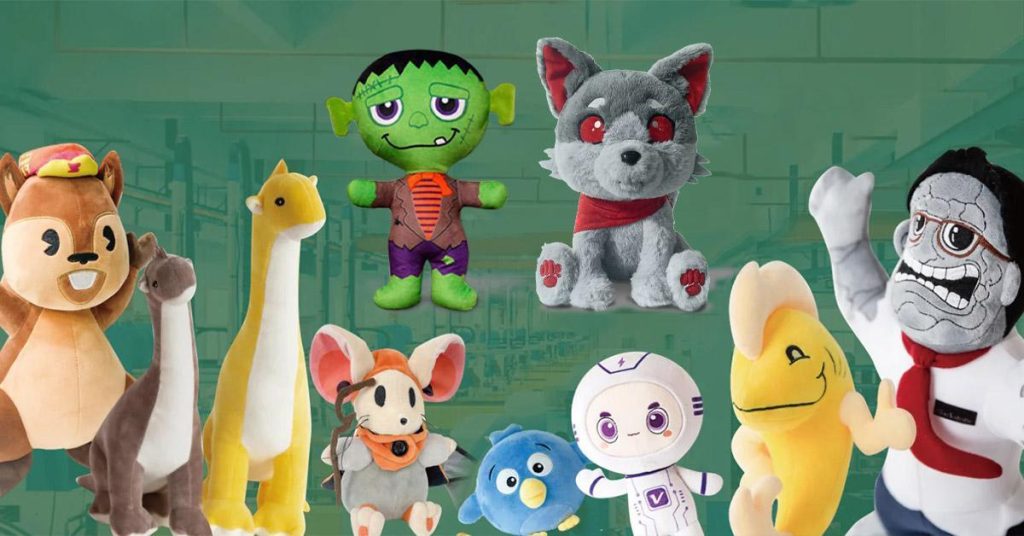
Key Differences Between OEM and ODM in Custom Plush Manufacturing
| Comparison Factor | OEM Service | ODM Service |
| Design Source | Provided entirely by the client (original artwork, 3D files, or samples) | Provided by the manufacturer (existing design templates or product library) |
| Design Ownership | Client retains full ownership of the design and IP | Manufacturer typically owns the base design; client owns branding elements |
| Customization Level | Fully customized structure, size, fabric, features, and detailing | Limited customization (color, fabric, logo, packaging, minor adjustments) |
| Product Exclusivity | High – product is unique to the brand | Moderate – similar base designs may be sold to other clients |
| Development Cost | Higher (design, sampling, engineering from scratch) | Lower (based on existing models) |
| Development Time | Longer due to full product development process | Shorter due to ready-made design framework |
| Technical Responsibility | Client leads concept and design direction | Manufacturer handles product engineering and design |
| Intellectual Property Risk | Lower, as design originates from client | Higher if exclusivity agreement is not clearly defined |
| Minimum Order Quantity (MOQ) | Often higher due to customized production setup | Often lower due to standardized production |
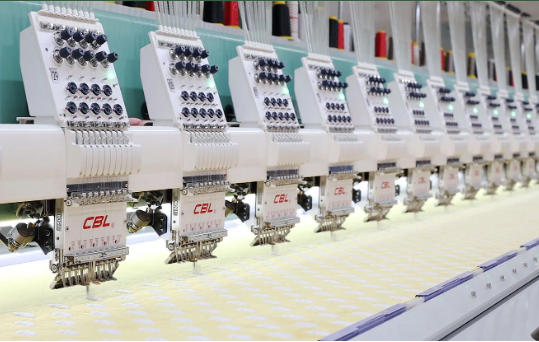
Key Considerations for Choosing Between OEM and ODM Services When Cooperating With Custom Plush Manufacturers
The selection between OEM and ODM services is a major point of strategical consideration for a brand in choosing a custom plush manufacturer to partner with. These decisions directly influence brand pedigree, development costs, intellectual property control, speed to the market, and long-term competitive advantage. By addressing the core reasons for choosing either service, companies can properly juxtapose manufacturing models with overall business goals.
1. Aligning Product Attribute with Brand Strategy
The question of allocating the budget and development investment may set the wheels in motion relating brand creativity. Those companies undertaking their unique intellectual property may have suitable branding over having locker-friendly characters or licensed designs; either for the OEM in order to retain full ownership in matters of creativity in terms of structure, detailing, materials as well as aesthetics, or the character plush product thus is exactly imbibing the brand’s rules and regulations and walking in tune to the brand’s identity, albeit at the expense of copying by the market.
Fastly augmenting businesses with trend-driven merchandises or collections-driven retail could, instead, put a greater emphasis on quick and efficient work. ODM services could have an already pre-designed mockup with full customization in standard designs. Therefore, for the companies that are more focused on brand characteristics and have not a great reliance on character development, this whole approach would speed up growth by eliminating the necessity of full product engineering.
2. Evaluating the Budget and Development Investment
The economic factor is good at defining which kind of service model should be adopted because the first way takes more front-end money to be plowed into development, but the benefits are that the product is designed from the start starting with a highly sophisticated knowledge from the very first moment. It seems that not having such detailed knowledge might be the primary cause of problem, so the story goes. On the contrary, the cost of the pattern looks, then the first proto patterns are needed and established, followed by more money being spent on full prototypes, structural testing, specialized materials, etc.
On the other side of the coin, ODM prices pull down the same accordingly: A company cuts across the existing requirements like mold structure and tech additions to offer the product at a lower price. Clients simply need to hold hands with manufacturers to carry on the engineering part without worrying about the cost related to other activities from scratch. Yet ODM is still a very good decision for them. This makes it highly malleable for start-ups and for those who, for whatever reason, are entering a totally off-the-wall market with the initial stage, respectively, the low-risk entry strategy with a professional production standard.
3. Considering Time-to-Market Pressures
Speed is crucial in today’s retail and e-commerce scenarios. With platforms like Amazon and Shopify shortening product cycles, pressure to respond quickly to seasonal and consumer demands is higher on brand owners.
ODM services are exceptionally advantageous when under tight deadlines, as the base plans are already there, leading to a quicker start-up time between sampling and production. OEM projects, in contrast, require longer timelines beginning with concept development, pattern construction, and ongoing iterative revisions. ODM offerings may just secure the success of a brand if success is subject to seasonal definition within a tight window.
4. Protecting Intellectual Property and Exclusivity
The above-mentioned things would be considerably concerned about intellectual property control while delivering plush products with their unique personalities linked with identifiable characters or brand identity. Greater security can be exercised on OEM because then it is the case that the design comes from their original client; the ownership is defined more clearly, thus preventing the emergence of similar-looking products in the market.
With ODM services, exclusivity could come but yet further agreements. Because the core design emanates from the manufacturers’ needs, other clients may benefit from this broad design platform. For those firms whose competitive advantage rests upon bespoke character design, OEM services generally render better security that is long-lasting.
5. Regularity in Design and High-Customization
The variability among plush toy products could also be considered as a factor. If the project calls for very particular dimensions for a prototype, patent-pending seams, or embedded electronics, or if the design requires a fully innovative packaging solution, OEM processes are perfect in ensuring maximum flexibility vis-a-vis full structural customization.
ODM is generally better for more surface-oriented modifications such as color variations, embroidered logos, and adjustments to accessories. Brands trying to differentiate their products rely heavily on such options. However, such surface modifications are unlikely to tamper with the core product structure. It is highly essential for brand evaluation to gauge how much customization it should resort to for its authenticity before opting for a specific model.
6. Understanding the Scale of Production and Supply Chain Capabilities for Manufacturing Hubs
Manufacturing hubs venture into a variety of supply-chain operations, both in OEM and ODM; in this, China supports both services. However, production requirements differ among the models chosen: While the usual case in OEM project fields might have an increased MOQ because of custom materials and production setup, in an ODM setup, the common process and scale might allow greater flexibility for order volumes.
The manufacturer’s design team, sampling expertise, and quality control systems all require evaluation. While some excel in engineering original plush structures, most factories are geared for mass-producing from an extensive library of designs.
7. Long-range Growth Strategies
The subsequent decision between an OEM and ODM solution should in the end reflect long-term business objectives. Those brands wishing to forge a high-quality brand identity, launch collectible character lines, or seek licensing arrangements may often be best served with OEM services-onits. The greater expenditure outlay and longer time of development usually make for stronger brand values and comprehensive control ahead.”
ODM is seen as more flexible and cost-effective for businesses focusing on market testing, product diversification, or short-term retail opportunities. In many situations, businesses follow a staged approach, initialing ODM for demand validation before transitioning to OEM when they have already gained brand traction and revenue stability.
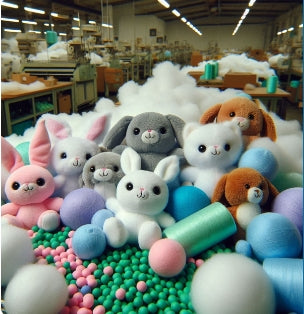
Market Trends Influencing OEM and ODM Custom Plush Services
This chart illustrates how evolving global market dynamics shape the strategic advantages and challenges of OEM and ODM custom plush services.
| Market Trend | Influence on OEM Services | Influence on ODM Services |
| Expansion of Global E-commerce (e.g., Amazon, Shopify) | Drives demand for highly differentiated, brand-owned plush products to stand out in crowded online marketplaces | Increases need for rapid product launches and flexible customization to respond to fast-changing trends |
| Growth of IP-Based and Licensed Plush Products | Strengthens reliance on OEM for full design control and IP protection | Limited role unless exclusivity agreements are established for modified base designs |
| Faster Trend Cycles in Consumer Goods | Requires agile design processes but can increase OEM development pressure | Favors ODM due to ready-to-adapt templates and shorter sampling timelines |
| Rising Demand for Sustainability | Encourages OEM brands to specify eco-friendly fabrics, recycled fillings, and certified materials | Prompts manufacturers to create standardized sustainable plush toy lines for quick customization |
| Adoption of 3D Design & Digital Sampling | Improves OEM efficiency by reducing physical sample iterations | Accelerates ODM modifications and virtual design approvals |
| Cost Optimization in Retail Supply Chains | Challenges OEM pricing due to higher development costs | Enhances ODM attractiveness through lower upfront investment and economies of scale |
| Supply Chain Maturity in Manufacturing Hubs | Supports complex custom engineering and specialized material sourcing for OEM projects | Enables large design libraries and streamlined bulk production for ODM clients |
| Growth in Corporate Gifting and Promotional Markets | Encourages OEM for exclusive corporate mascots and event-specific plush products | Drives strong demand for semi-customized, cost-efficient plush items |
| Increasing Small-Batch and Market Testing Strategies | Less flexible due to customized tooling and setup requirements | More adaptable for short runs and pilot product launches |
| Stricter Global Safety and Compliance Standards | Requires dedicated testing for unique structures and materials | Benefits from pre-tested base designs that simplify compliance processes |
Final Thoughts
The article provides the significance of OEM and ODM services in the custom plush manufacturing. While OEM is all about originality, exclusivity, and brand ownership, ODM is all about the speed of development, cost-effectiveness, and ease in the development process. Forming a strategy combining all of the above factors and more becomes elemental for what has been deliberately discussed throughout the text is the general need of companies to design and portray their unique branding aura in the plush manufacturing segment of the market.
Carefully evaluation of brand goals, budget, timeline, customization requirements, IP issues, and production scale will enable a company to choose the best service model supporting their competitive position in the custom plush market.
Understanding of OEM and ODM service models in plush toy manufacturing will allow businesses to team up more effectively with plush manufacturers in creating products that balance creativity, commercial success and cost.