
Structured vs Unstructured Hat: 3 Key Differences
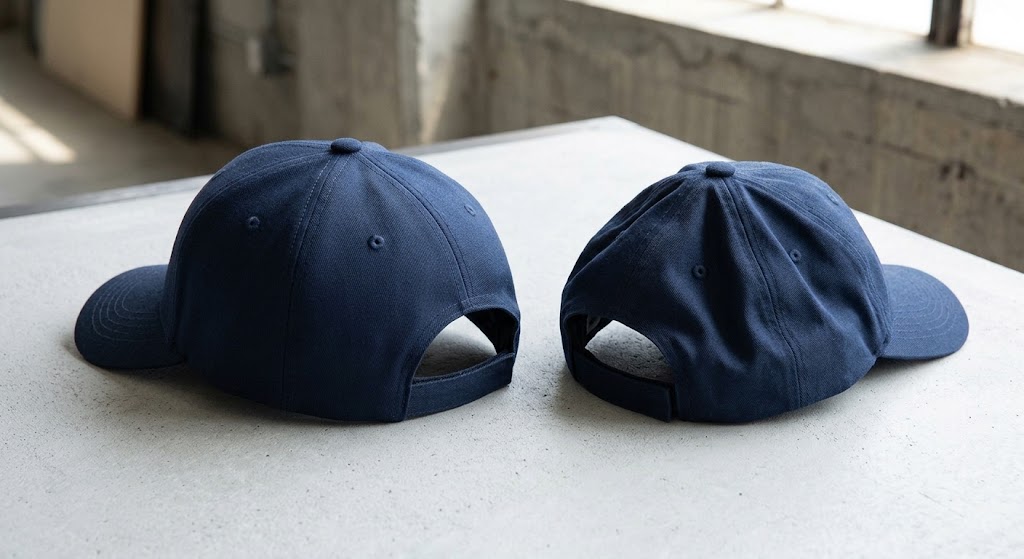
The core difference between structured vs unstructured hat lies in whether there is extra support structure inside the crown and front panels. Structured hats usually use additional supporting materials to help the front panel maintain a clearer outline, while unstructured hats are softer in construction, and the crown can naturally change with the shape of the head.
This structural difference not only affects the hat’s appearance but also further influences the overall feel when worn, how the front logo is presented, and the customization methods that are suitable later. Understanding the differences in these three aspects can help brands more easily determine their direction when choosing hat styles and customization approaches.
What Is a Structured Hat?
The main feature of a structured hat is that the front panels usually have extra support or reinforcement to help the crown maintain a clearer shape. Buckram is a common supporting material, but not all structured hats must use this material.
Compared with a soft crown, the front panel of a structured hat is usually firmer, and the crown is more likely to retain its original outline when not being worn. Therefore, this type of construction is more suitable for designs that need a clearer hat shape and front visual effect.
It is important to note that structured describes the crown construction, not the profile height. A structured hat can use different crown heights, so it cannot simply be understood as meaning that structured does not necessarily mean high profile.
Among specific hat styles, structured construction is common in traditional baseball caps and many trucker hats, but the actual structure will still vary according to the specific design.
What Is an Unstructured Hat?
The front panels of an unstructured hat usually do not use stiff support to fix the outline, so the overall construction is softer and more flexible. When worn, the crown can naturally change with the shape of the head, rather than always maintaining a very clear three-dimensional outline.
This construction usually brings a more relaxed visual effect and makes it easier to form a soft, natural hat shape. However, the specific degree of softness will still be affected by the fabric, sewing method, and overall hat style design.
It should also be noted that unstructured does not equal low profile. Profile and construction are two different design dimensions. A hat can use unstructured construction while having different crown heights.
Dad hats are a common relaxed cap style and often use this soft crown construction.
Structured vs Unstructured Hat: 3 Key Differences
| Feature | Structured Hat | Unstructured Hat |
| Crown outline | Clearer, easier to maintain shape | Softer, easier to change naturally |
| Front panel construction | Usually has extra support | Usually softer and more flexible |
| Overall feel | More shaped and defined | More relaxed and natural |
1. Crown Shape and Profile
One of the most intuitive differences between the two is the final outline presented by the crown.
The front panel of a structured hat has extra support, so it can usually maintain a clearer crown shape. An unstructured hat does not have a stiff structure used to fix the front panel outline, so the crown is softer and more likely to change with the shape of the head when worn.
However, it is necessary to distinguish structure vs profile here. Structure mainly describes the internal support method of the crown, while profile describes the overall crown height and shape of the hat. Therefore, structured does not necessarily mean high profile, and unstructured does not necessarily mean low profile.
This difference is especially important when choosing a specific hat style. For example, many trucker hats use structured construction, but different types of trucker hats may still differ in panel, profile, and overall shape.
In other words, structure is only one factor that determines the final appearance of a hat and cannot be used alone to judge the complete outline of a hat.
2. Fit and Overall Feel
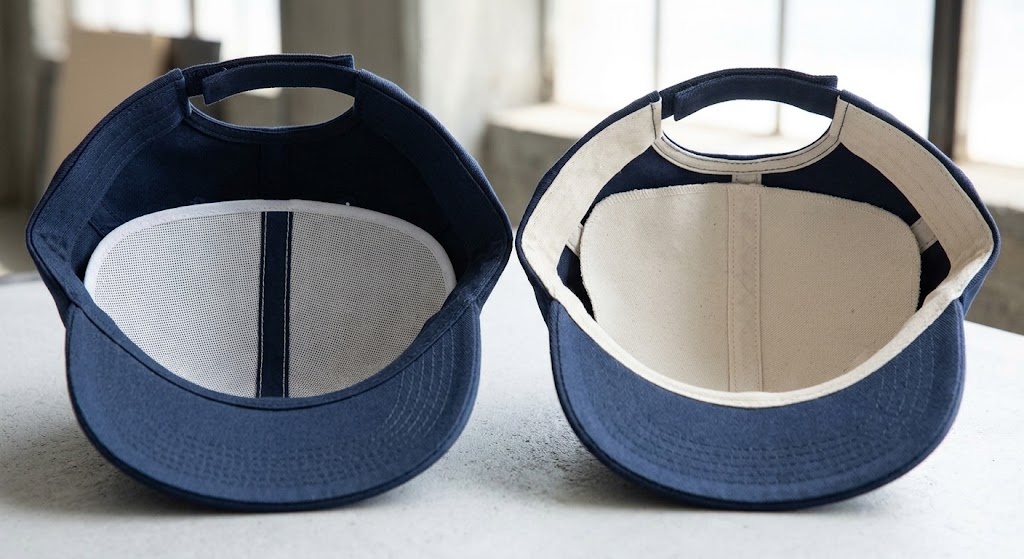
Structural differences also affect the overall feel of the hat when worn.
The front panel of a structured hat is usually firmer, and the crown outline is clearer, so it has a more obvious structural feel when worn. If the design itself requires a clearer hat shape and front outline, this construction will be a better match.
The front panel of an unstructured hat is softer, and the crown can naturally change with the shape of the head, so the overall feel is usually more relaxed. It does not deliberately maintain a very fixed front outline, but allows the hat to form a more natural fit with the wearer’s head shape.
Here, one construction should not simply be defined as “more comfortable.” The actual wearing experience will also be affected by fabric, hat circumference, crown shape, and personal preference.
Therefore, a more accurate understanding is: structured emphasizes a clear structural feel, while unstructured emphasizes a soft and natural feel.
3. Logo and Customization
Crown construction also affects how the logo is ultimately presented on the front panel of the hat.
The front panel of a structured hat is usually more stable, so for designs that need to highlight the front logo and maintain a relatively clear pattern outline, it provides a relatively clear display surface. The front panel of an unstructured hat is softer, and the logo will change to some extent with the fabric and crown shape, so the final effect will be more natural.
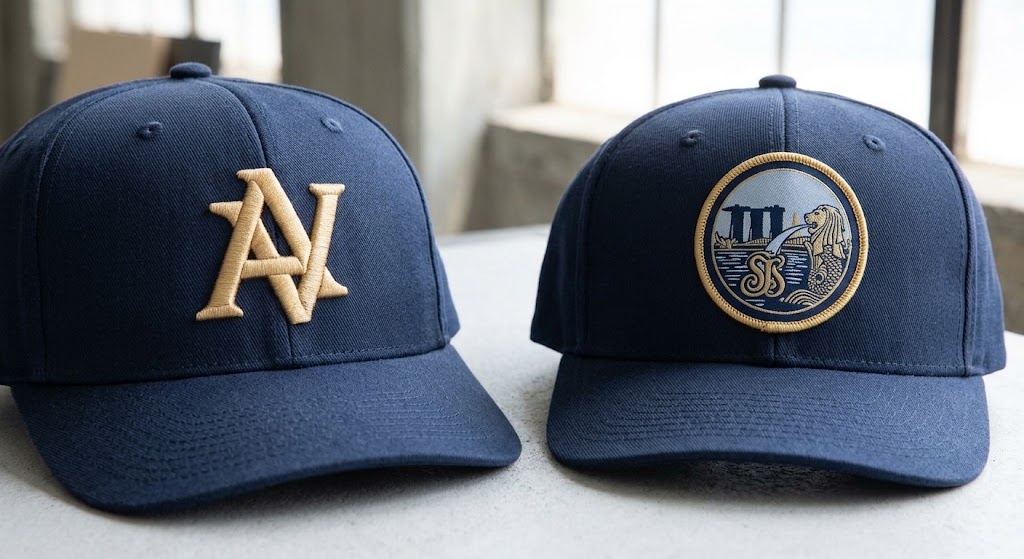
However, this does not mean that structured can only use one type of decoration, or that unstructured can only use another. Both constructions can use different customization techniques according to the specific design, such as embroidery, 3D embroidery, printing, sewn patches, or sewn labels.
If a patch is used as logo decoration, the size, thickness, and position of the patch also need to be considered at the same time. Appropriate hat patch sizes can help the pattern maintain a reasonable proportion with the front panel of the hat, rather than deciding solely based on the size of the logo itself.
Therefore, when choosing a decoration method, it is more important to consider crown construction, logo pattern, and the final desired visual effect together.
Are Structured Hats and Unstructured Hats Used in Different Styles?
Structured and unstructured are not strictly corresponding to a certain hat style, but are two different crown constructions. However, in actual products, they do often appear paired with different hat styles.
Structured construction is more common in traditional baseball caps, many trucker hats, and some team or brand hats. They usually need a clearer front panel outline to match the overall hat shape and logo display.
Unstructured construction often appears in dad hats, relaxed baseball caps, and other more casual or lifestyle hat styles. For brands that want to retain a soft crown and a relaxed visual effect, custom dad hats are a customization option worth considering.
Another easily confused concept also needs to be distinguished here: snapback and fitted describe the adjustment or sizing method, not the crown construction. In other words, the core difference between snapbacks vs fitted hats lies in closure and sizing, not structured or unstructured. Both types of hats can use different crown constructions according to the specific design.
How to Choose Between Structured and Unstructured Hats?
Choose Structured If You Want a Defined Front
If the design needs a clearer crown outline, a relatively stable front panel, and a prominently displayed front logo, then structured construction can be a suitable choice.
It is especially suitable for brands, teams, or merchandise designs that want the hat to maintain a relatively clear shape visually. However, whether to ultimately use structured construction still needs to be judged together with the hat style, profile, fabric, and logo design.
Choose Unstructured If You Want a Softer Look
If you want the hat to present a more relaxed outline overall, or want the front panel to naturally change with the shape of the head, then unstructured construction will better fit this design direction.
It is common in dad hats and other more casual, lifestyle hat styles. For designs where the logo does not need to particularly emphasize a firm outline but values a soft, natural visual effect more, this construction can also be considered.
What to Consider Before Customizing Your Hats?
Choose the Decoration Method
After the crown construction is determined, you also need to consider what decoration method should be used for the logo.
Embroidery, 3D embroidery, printing, sewn patches, and sewn labels can all be used in different hat designs, but the final choice should be combined with crown construction, logo pattern, size, and the desired effect.
For example, the front panel of a structured hat is usually more stable and can provide a relatively stable surface for a front logo that needs a clear outline; while the front panel of an unstructured hat is softer, and the decoration design needs to consider the impact of natural fabric changes on pattern presentation.
If a patch is used, the size, thickness, and position of the patch also need further consideration, rather than only looking at the size of the logo itself.
Match the Hat Construction to Your Design
When customizing hats, crown construction is not the only factor that needs to be decided. The number of panels, brim shape, logo size, and decoration method may all affect the final effect.
For example, 5-panel and 6-panel construction will form different front panel structures, while flat brim and curved brim will also change the overall visual of the hat. Considering these factors together with structured or unstructured construction can make the hat shape and logo design more coordinated.
Implementer provides custom hats with different panel, brim, and decoration options, and custom orders start from 100 pieces, so brands or teams can choose the corresponding hat construction and decoration method according to their specific design.
Conclusion
The core difference between structured vs unstructured hat lies in the construction of the crown and front panel. Structured hats usually have clearer front panel support and crown outline, while unstructured hats are softer and more flexible.
This difference will further affect the hat’s appearance, wearing feel, and logo presentation. However, structure cannot alone determine the hat’s profile, closure, or specific hat style. In actual customization, panel, brim, and decoration method also need to be considered together to find a combination that matches the design needs.