
Mass Production vs. Small-batch Customized Plush Slippers
Manufacturers and brands of plush slippers are faced with a critical decision when planning production: mass production and small-batch customized production. Each production mode, being an important aspect of plush slippers with a lot of peculiarities, can naturally provide a benefit with some limitations in terms of cost, production lead time, inventory optimization, and market competitive strategy. Understanding these differences between these two approaches will determine as to which production strategy is more suitable for business goals and customer demands.
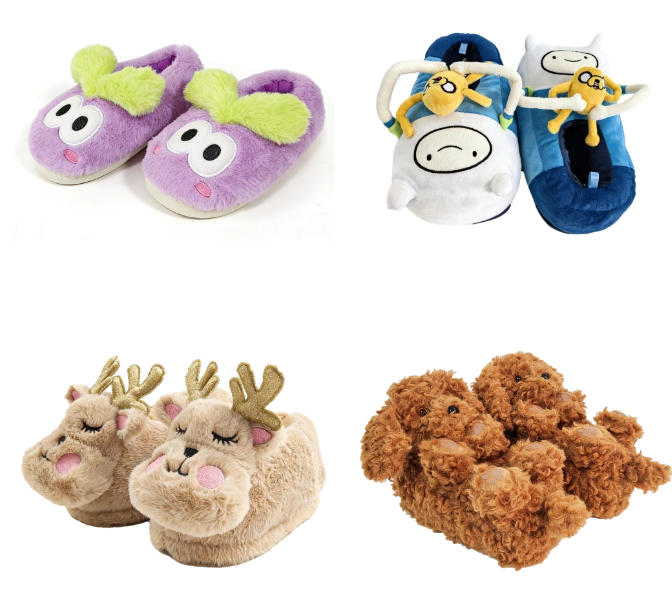
Understanding Mass Production of Plush Slippers
Mass production is a concept that involves the large-scale manufacturing of plush slippers with the help of standardized designs, materials, and techniques. About a thousand identical articles being produced by highly organized manufacturing techniques using à la production lines optimized for efficiency and maximal reductions in manufacturing costs. Major retail department stores, supermarket chains, e-commerce platforms, and global footwear brands often use this style of mass production, which these investors need for regular supply and consistent quality.
Characteristics
- Standardized slipper designs and specifications.
- Automated or semi-automated manufacturing equipment.
- Bulk material purchasing.
- High-volume inventory storage.
- Continuous assembly-line production.
Manufacturers focus on operational efficiency and economies of scale in production-cost reduction while striving to maintain uniformity.
Advantages
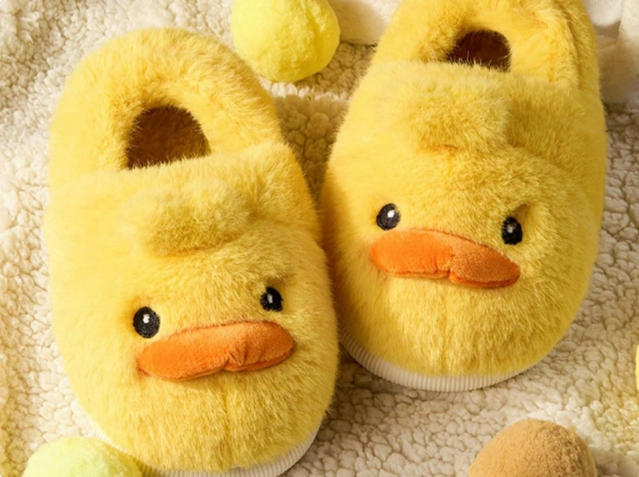
- Lower Unit Costs: One of the greatest strengths of mass production is cost efficiency. Purchasing fabrics, foam, soles, and accessories in large quantities significantly lowers material costs. Automated production also reduces labor expenses per unit.
- Faster Large-scale Supply: Mass production enables manufacturers to quickly fulfill large orders for retailers, distributors, and seasonal promotions. High-volume production lines can supply thousands of pairs within short timeframes.
- Consistent Product Quality: Standardized production processes ensure that each pair of slippers maintains similar quality, sizing, appearance, and durability. This consistency is important for large retail chains and international distribution.
- Suitable for Broad Consumer Markets: Mass-produced plush slippers are ideal for businesses targeting wide consumer audiences with affordable and readily available products.
Challenges
- Limited Design Flexibility: An established manufacturing firm will stick to the standardized designs of popular products. In contrast, monetary policies in conjunction with an unstable economy, riotous fluctuation in energy prices, political turmoil, and internal company glitches, mean high production rates and high inventory risk operate very much against each other.
- Inventory Risk: Manufacturing in aggregate could result in overproduction when shifts in customer choice or unexpectedly changing fashion trends appear.
- Large Initial Investment: Capital equipment, molds and tooling, plant space, warehousing systems- all need huge financial expenditure.
- Reduced Product Exclusivity: Manufactured slippers are deprived of trademarks and so cannot be checked on their brand differentiation from other mass-produced products in the market.
Understanding Small-batch Customized Plush Slippers
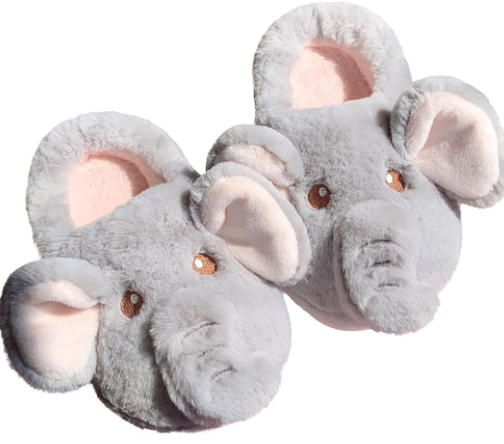
Small-batch customized production focuses on manufacturing limited quantities of personalized plush slippers designed for specific customers, brands, events, or niche markets. This approach prioritizes creativity, customization, and flexibility over largescale efficiency.
Characteristics
- Personalized embroidery or printing.
- Unique shapes, themes and character designs.
- Flexible color and fabric options.
- Limited production quantities.
- Greater involvement of manual craftsmanship.
Small-batch production of custom plush slippers is commonly used for boutique brands, promotional campaigns, luxury hospitality products, influencer merchandise, or personalized gifts.
Advantages
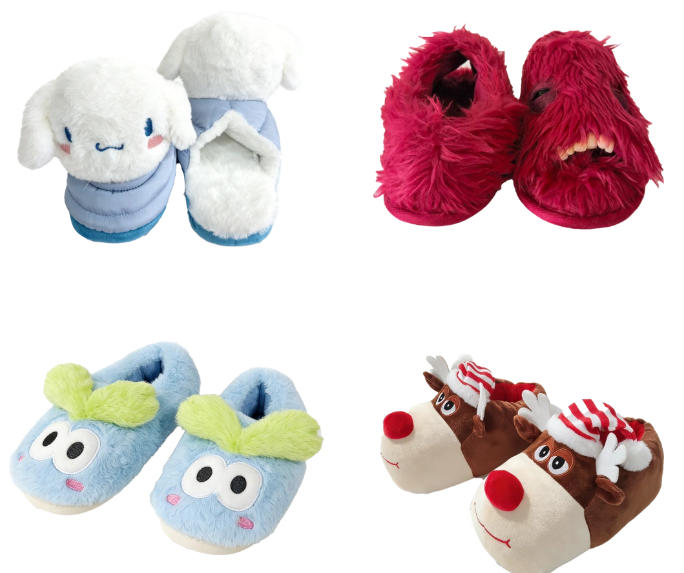
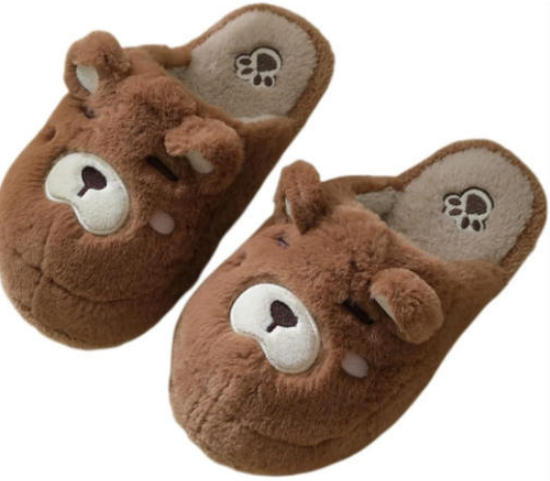
- Greater Creative Freedom: Plush slippers are freely designed by creative businesses with customized production so that they take on unique characteristics demanded by specific client tastes or branding needs. Typically common customization options of plush slippers include booties inspired by cartoons, slippers with an animal theme, logos and mascots of companies, seasonal holiday styles, personal names, messages, etc. So, this also provides brands with a canvas on which to create memorable and unique products.
- Faster Adaptation to Trends: Smaller production units help small firms respond swiftly to fluctuating business trends and changing customer demand.
- Lower Inventory Pressure: Ironically, the small batch helps reduce unsold inventory that directly affects storage costs.
- Better Brand Differentiation: Giving exclusive, brand-forward experiences to your customers creates greater brand loyalty, image, and perception by the consumer and promotion.
Challenges
- Increased Production Costs: Smaller production runs generally lead to higher unit costs because manufacturers cannot fully benefit from economies of scale.
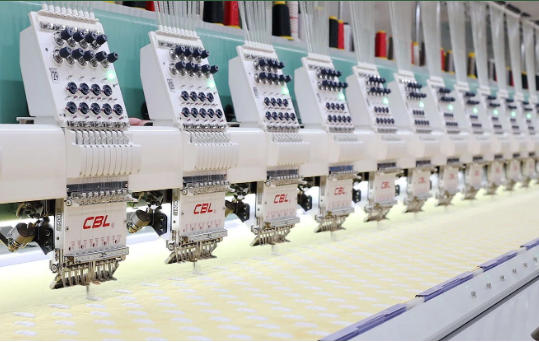
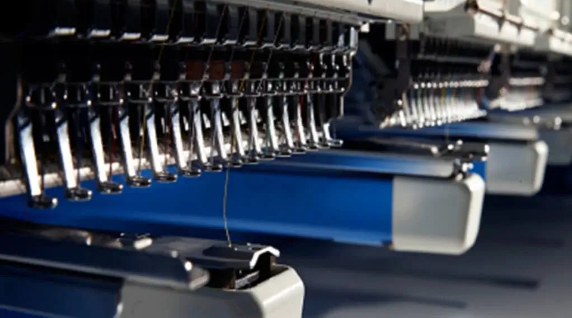
- Longer Production Time: This customized process can involve more approval time for designs, prototype building, and setting up embroidery, causing management delays in the process.
- Limited Production Capacity: It becomes hard for small-batch manufacturers to seek massive orders with tight turnarounds.
- Material Procurement Complexity: Finding special fabrics, accessories, and custom components in smaller quantities is bound to raise procurement costs and supply chain difficulties.
The Comparison Between Mass Production and Small-batch Customized Plush Slippers
| Comparison Aspect | Mass Production Plush Slippers | Small-batch Customized Plush Slippers |
| Production Volume | Manufactured in very large quantities | Produced in limited quantities |
| Production Focus | Efficiency and cost reduction | Personalization and flexibility |
| Unit Cost | Lower due to economies of scale | Higher because of smaller production runs |
| Customization Level | Limited customization options | Highly customizable designs and features |
| Design Variety | Usually standardized styles | Unique and personalized designs |
| Production Speed | Faster for large-volume orders | Slower due to customization processes |
| Initial Investment | Requires significant machinery and setup investment | Lower initial investment but higher labor involvement |
| Material Purchasing | Bulk purchasing reduces material costs | Smaller purchases may increase material costs |
| Inventory Risk | Higher risk of overstock and unsold inventory | Lower inventory risk due to smaller batches |
| Quality Consistency | Highly consistent products | May vary slightly due to manual customization |
| Market Target | Mass consumer and retail markets | Niche, premium, and personalized markets |
| Brand Exclusivity | Lower exclusivity | Higher exclusivity and uniqueness |
| Trend Adaptability | Slower response to changing trends | Faster adaptation to market trends |
| Lead Time for Design Changes | Longer due to large-scale adjustments | Shorter and more flexible |
| Production Flexibility | Less flexible production scheduling | Highly flexible production planning |
| Suitable Customers | Large retailers and wholesalers | Boutique brands and custom businesses |
| Labor Requirement | More automation and less manual work | More manual craftsmanship required |
| Product Pricing | More affordable retail pricing | Premium pricing potential |
| Sustainability Potential | May generate excess inventory waste | Better control over production waste |
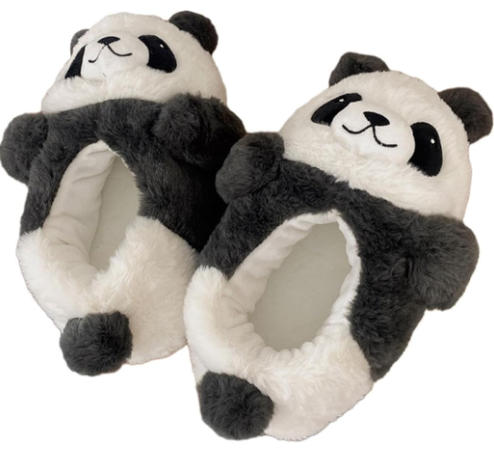
Key Factors to Consider for Choosing Between Mass Production and Small-batch Customized Plush Slippers
In order to critically evaluate plush slippers manufacturing, several crucial factors influence profitability, brand positioning, customer satisfaction, and zealotry about better-operational efficiency.
1. Evaluating Target Market Demands
The single paramount factor which might dictate the favorite manufacturing option is understanding the market it is targeting. Mass production, when the aim is broad consumer markets and seeks cheap price, availability, and consistency, is generally going to be more beneficial. Large retail chains, supermarkets, and big online outlets require mass supply at competitive rates.
On the other hand, small-batch customized plush slippers are much better among established marketplaces where individuality and customization can be strongly supported. Accordingly, brands in boutiques and fashion, luxury hotels, vendors of gaming merchandise, influencers, and events and their organizers frequently ask for particular designs that will offer a fitting distinction of their good creations from all others around. Companies must study if their demographics are interested in affordable, common access items vis-à-vis exclusivity and customization of some sort.
2. Considering Production Costs and Budget
In designing the most favorable manufacturing model, attention to production budgets is fundamental.
When it comes to production costs, mass production is the more price conducive way because of economies of scale. Bulk make able to minimize the costs of materials in large quantities such as plush fabrics, foam innersoles, embroidery materials, and all packaging components. The labour will be reduced to a minimum with automated production lines.
However, mass production usually demands higher upfront infrastructure costs in terms of advanced machinery, molds, warehouse facilities, and inventory management systems.
In a small-batch production scenario, less initial infrastructure setup is required, but the cost per unit manufactured is usually higher. Stitch design customization and manual labor add to the cost of production: these are some reasons for production costs increase under small-batch conditions as compared with mass production. Companies hence need to balance their financial resources against target profit margins and forecasted sales volumes.
3. Assessing Product Customization Requirements
Customization needs represent another key factor in the decision-making process regarding production. Another point to favor mass production is the fact that massive bulk production runs best suit the standardized plush slipper designs maintained across longer periods. Frequent changes in design disrupt large-scale production efficiency and inflate operating costs.
A small batch of production allows much higher flexibility to customize. Character designs can go beyond the limits, as can theming seasonals, featuring embroidered logos, or giving custom packaging and limited editions. For brands with significant creativity and diversity, custom products indeed face higher market success and customer stickiness.
4. Analyzing Inventory and Demand Uncertainty
Inventory management is a significant concern in the plush slipper industry, especially in trend-driven markets. Mass production can create inventory risks if consumer preferences change unexpectedly or demand forecasts are inaccurate. Overstocking may result in increased storage costs, discounting, or unsold products. Small-batch customized production minimizes these risks by making things common for the same number for real order. This flexibility is particularly valuable for seasonal collections, promotional campaigns, or rapidly changing fashion trends. Companies operating in uncertain markets often experience reduced inventory pressure linked to the production of small batches.
5. Evaluating Production Speed and Scalability
Production speed and the ability to scale operations are also very significant keys.
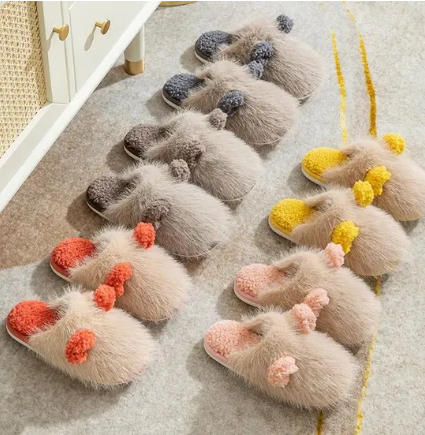
Mass production is highly efficient when it comes straight from massive orders and demands under tight schedules. Automated manufacturing systems will churn out thousands of fluffy pink slippers for the retailers across the world.
With small-scale, custom-made production, you might expect some extended lead times: further design clarifications, prototyping, embroidery modifications, and nearly all manual finishings. Customization certainly provides your products with individuality, and thus detracts speed from the manufacturing process. Companies on the fast track for growth in sales or massive seasonal surges would probably have to consider scalability advantages offered by mass production.
6. Brand Positioning and Market Identity
Brand perception and long-term positioning form the skeleton of all production decisions.
For those manufacturers who concentrate on affordability, mass appeal, and extensive availability, mass production strategies could help them build on their profits. Offering consistently priced products that can penetrate into different markets.
Likewise, however, businesses can be more inclined toward small-batch customized plush slippers for premium positioning, exclusive appeal, or emotional customer engagement for situations in which personalized products elicit greater customer loyalty and perceived value. A company’s branding strategy should align closely with the selected production regime to ensure consistency in the marketplace.
7. Sourcing Supply Chain and Material Availability
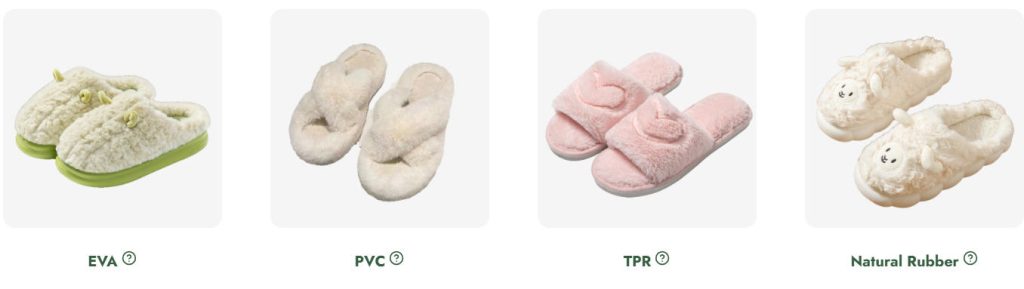
The intricacies of material sourcing and supply chain management also influence production decisions. In this regard, mass production calls for steady supplies of considerable quantities of one or more materials such as plush fabrics, foam inserts, rubber soles, embroidery threads, or packaging supplies. One important objective is to establish solid and reliable business contacts to avoid any production setback.
Sourcing the tailored scheme of smaller fabric figures (or any other) enhances customization and decor permutations. Material itself truly becomes decorative, not commercial.
On the one side, the customized production may now stretch the limits in terms of creative customization after almost fifty years of using practical and not artistic solutions to production. On the other hand, procurement issues and thereby long delivery times could ensue. What firms should be doing is, assess the competencies of their suppliers and the availability of materials beforehand in any mass production endeavor.
8. Examining Sustainability and Environmental Impact
Sustainability, an important manufacturing consideration, is now hitting the headlines.
Compromised capacity to sustain inventories and overconsumption of materials is possible; this happens in moments of obviously good business and the mistaken creation of extra stocks and packaging means. Added to this, large-scale production might affect environmental safety through high levels of energy consumption.
In a way, small-batch customized production may help promote a healthy environment by producing closer to the real demand position and reducing the waste that comes with stock.
With environmental responsibility rising in demand in the marketplace, the consumers are inevitably drawn to and fascinated by brands that are touchstones to these values. Issues such as production planning for sustainability have lately taken on more significance.
9. Adopting a Hybrid Manufacturing Strategy
Businesses that opt for mass production and businesses that go for small-batch productions are on different ends of the manufacturing model. Hybrids, however, are needed most of the time. The plush slipper industry, for instance, seems to have imitated the mass production. In the hybrid style, regular slippers are brought in huge masses, while embroideries, colors, packaging, and decorative items are crafted in smaller batches to suit varied customers. Here the option of mass production is tied with the customization of some items.
Summary
- Mass production of plush slippers offers efficiency, scalability, and lower costs, making it suitable for mainstream consumer markets and high-volume retail distribution.
- Small-batch customized production for plush slippers provides greater flexibility, creativity, and exclusivity, helping brands establish stronger differentiation and customer engagement in niche or premium markets.
- Hybrid manufacturing models in plush slippers, allow businesses to reduce costs while still meeting growing consumer demand for unique and personalized products.
Final Thoughts
Both mass production and small-batch customized production are widely applied for plush slipper production. The best production strategy needs to consider various factors like target market, budget, branding goals, consumer preferences, etc. In many cases, combining the strengths of both approaches can help businesses remain competitive while meeting the growing demand for affordability and customization in the plush slipper industry.