
Snapbacks vs Fitted Hats: Which One Is Better for You?
Are You Stuck Between Snapbacks and Fitted Hats When Selecting Caps Online? Here’s How We Can Help: If you’re standing before a rack of caps – or browsing online – and coming up against this conundrum: What is the Difference between Snapbacks vs Fitted Hats, and Which Hat Will Fit My Head Best?
Style isn’t everything when it comes to selecting a hat; fitting, purpose and budget also matter when ordering in bulk for teams or brands. This guide covers everything you need to know from sizing and comfort through durability, price and customization so that whether shopping alone, outfitting a squad or planning custom runs for labels – understanding these differences will save you from future headaches!
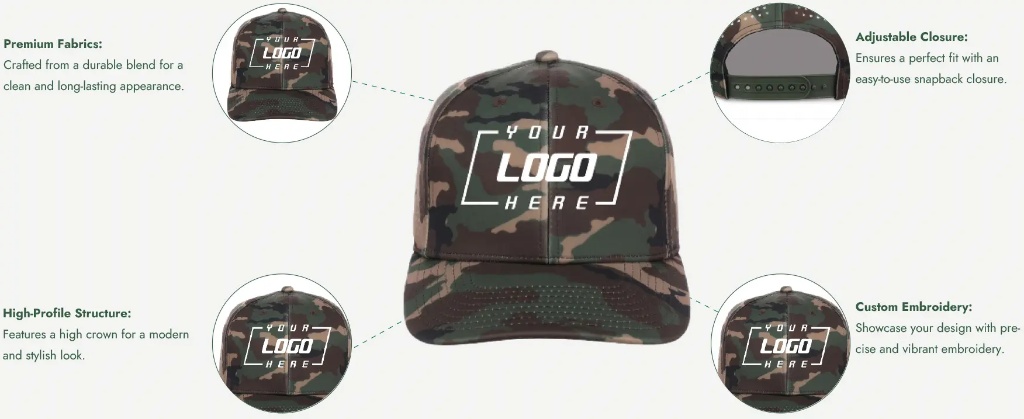
What Are Snapbacks and Fitted Hats?
Before we jump in with any comparisons, let’s establish exactly what each hat type entails. They might appear similar from the front view, but each type can reveal something entirely unique when seen from behind.
What is a Snapback Hat?
A snapback hat is defined by one very obvious feature: that plastic strap with little snaps on the back. You’ve seen it a million times. You pop the snaps open or closed to adjust the circumference, and that’s how it fits different head sizes.
Here are the other hallmarks you’ll find on a standard snapback:
One Size Fits Most– Because it’s adjustable, one size really does cover the vast majority of adult head circumferences. That makes buying one super easy, no measuring tape required.
Flat Brim– When it comes out of the factory, the brim is perfectly straight and flat. It’s a sharp, crisp look that stays that way unless you deliberately bend it.
Structured Crown– Most snapbacks have a stiff, reinforced front panel. They use a material called buckram to keep the crown standing tall and proud. It doesn’t flop or collapse.
Street Culture Roots– Snapbacks blew up in the 1990s, especially in hip hop, skate, and streetwear scenes. They’ve never really left that space. Even today, you see them on influencers, ballplayers in the dugout, and kids on the block.
What is a Fitted Hat?
A fitted hat is the complete opposite when it comes to the back. There’s no opening, no plastic strap, no Velcro, no metal buckle. It’s just one continuous piece of fabric that wraps all the way around your head.
Here’s what sets it apart:
Precise Sizing System– You don’t get to adjust anything. Instead, fitted hats should be bought using your exact head measurement – fractional sizes such as 7 1/8″, are more accurate measures of fitment than whole numbers like 7″ or “7 1/4”. Once it fits perfectly, it feels right! Get it wrong, and you’ll regret it.
Deep Baseball Heritage– This is the hat of Major League Baseball. The New Era 59FIFTY is the classic example, worn on the field by pro players. If you want that authentic, on field vibe, fitted is where you go.
Closed Back Design– Because there’s no cutout or strap, the back is clean and uninterrupted. That gives it a very sleek silhouette, and it also provides a massive, unbroken canvas for embroidery on the back and sides.
Snapbacks vs Fitted Hats: What Is the Difference?
Let’s cut straight to the chase. Here’s a side by side comparison that sums up the key differences in a glance. After the table, we’ll walk through each point in more detail.
| Comparison Point | Snapback Hats (Adjustable) | Fitted Hats (Closed Back) | Tech & Industry Notes |
| Adjustment | Plastic or metal snaps (adjustable) | No opening, fully closed | Snapbacks win on size flexibility |
| Sizing | One size fits most | Precise fractional sizing (e.g., 7 1/4) | Fitted requires accurate head measurement |
| Brim Shape | Flat straight out of the box | Also flat, but easier to curve manually | Curved fitted hats have that classic retro athletic feel |
| Crown Profile | Mostly high profile (tall front) | Mid to high profile | High profile gives a bold, lifted look |
| Breathability | Open back might feel cooler, but real airflow depends on fabric and vents | Depends on material, eyelets, and sweatband | Don’t assume open back always equals better ventilation |
| Maintenance | Relatively easy to care for | Can shrink slightly if washed in hot water or dried with heat | Neither should go in a regular washing machine |
| Fit Feeling | You can fine tune it, but snaps might create pressure points | 360 degree snug wrap | A correctly sized fitted hat feels like a second skin |
| Comfort | The plastic snap can dig into your neck when you lean back | Even pressure distribution across the whole head | Fitted is generally more comfortable for all day wear, if the size is right |
| Style Vibe | Modern streetwear, retro attitude | Classic athletic, hardcore baseball culture | Style depends heavily on your outfit and personal taste |
| Cost | More affordable, simpler production | Higher wholesale cost due to multiple sizes | Fitted involves more SKUs and inventory complexity |
| Customization | Great for front and side designs | Back and side embroidery have more uninterrupted space | Fitted allows for larger, more cohesive back logos |
1. Fit and Sizing
The most obvious clue is the back of the hat. If it has snaps, it’s a snapback. If it’s completely sealed, it’s fitted. But that physical difference leads to a totally different wearing experience.
Snapbacks are incredibly forgiving. You don’t need to know your head size. You don’t need a measuring tape. Pick one up, adjust the strap, and you’re off! That’s why they make great gifts or casual purchases alike.
Fitted hats require precision. They’re designed to give you what the industry calls a “snug fit,” meaning they wrap around your head like a glove, evenly, from every angle. The continuous stretchable sweatband inside provides that all around compression that many people find super comfortable. But here’s the catch: if you wash a fitted hat in hot water or toss it in the dryer, it can shrink. Even a tiny bit of shrinkage can make it uncomfortably tight. So you really have to baby these things.
2. Style and Comfort
Style-wise, snapbacks feature stiff buckram reinforcement to keep their front panel high and boxy – creating a modern, edgy silhouette which pairs beautifully with streetwear fits, baggy jeans and sneakers.
Fitted hats lean more classic. The closed back gives a smooth, uninterrupted line from front to back. There’s no plastic tab sticking out, so it looks cleaner and more refined. Many people also love to curve the brim on a fitted hat, bending it slightly to get that old school ballplayer look.
Now let’s talk about comfort and breathability. A lot of folks assume that because snapbacks have that open back, they must be cooler in hot weather. But that’s not always true. The real breathability comes from the fabric, the eyelets, and the sweatband material. Some fitted hats with mesh panels or lightweight cotton blends can actually breathe better than a cheap snapback with a thick poly front. So don’t make your decision purely based on the back opening.
3. Price and Customization
From a manufacturing standpoint, snapbacks and fitted hats work very differently. Snapbacks are one size, so the production line is straightforward. You make one design, one size, and you’re done. That keeps costs down and inventory simple.
Fitted hats require multiple sizes. You have to produce and stock 7, 7 1/8, 7 1/4, 7 3/8, and so on. That means more SKUs, more forecasting, and higher wholesale prices. But there’s a trade off. Fitted hats offer a larger, unbroken canvas on the back. If you’re a brand that wants to stitch a big, detailed logo across the entire back panel, a fitted hat gives you that space without a strap cutting through the middle. That’s why premium brands often choose fitted for their high end limited editions.
4 Things to Consider Before Choosing a Hat
Before clicking “buy” or placing that bulk order, take some time to consider these four factors – they will help prevent buyer’s remorse!
1. Sizing and Comfort (How it Feels on Your Head)
We all agree: the primary consideration should be how a hat feels when worn on your dome.
Snapbacks give you wiggle room. If you just got a fresh haircut, you can snap it tighter. If you’ve let your hair grow out a bit, you can loosen it a notch. That’s super convenient. You can even share it with a friend, though, you know, maybe don’t if you’re sweaty.
Fitted hats don’t offer that luxury. Once you select your size, it will remain consistent until your head measurement changes or your hairstyle drastically alters – this means it is vitally important that you know both your size and maintain consistent grooming habits.
2. Style and Face Shapes (How it Looks)
Here’s a little styling secret. High profile hats, like most snapbacks, can add vertical length to your silhouette. If your face has an overall rounder shape, a taller crown could help balance things out and lengthen out your features.
Fitted hats with curved brims have more of an understated American sportswear aesthetic; less flashy and more timeless in appearance than fitted ones. When trying both styles on, see which makes you feel most like yourself.
3. Durability and Activities (When to Wear It)
Think about what you’ll be doing in this hat. If you’re playing baseball, running drills, or engaging in any high-intensity activity, a fitted hat may be your safest bet. With its snug 360-degree fit that won’t move from place to place while sprinting or diving, a fitted cap won’t shift during sprints or dives and won’t slip off your head during high intensity physical activities.
Snapbacks are ideal for casual situations like street strolling, hanging out with friends, commuting to work and running weekend errands – so when the need arises they make for great clothing options! And because they have that plastic strap on the back, you can actually clip them onto your backpack when you’re not wearing them. Super handy.
4. Customization and Cost (For Brands and Businesses)
If you’re ordering for a brand, a team, or a corporate event, the business side matters just as much as the style.
Snapbacks are the low risk option. One size fits most, so you don’t have to worry about stocking multiple sizes. That lowers your minimum order quantity and reduces the chance of leftover inventory that nobody can wear.
Fitted hats can help give your brand an authentic, high-quality aesthetic, allowing you to command higher prices for them. However, ordering and stocking multiple sizes requires more money as well as better inventory planning – an additional commitment which may prove worthwhile if your audience values this authentic, high-quality vibe.
Snapback vs Fitted Hats: Which One Is Right for You?
Still not sure? Here’s a quick checklist. Just run through these points and see which column gets more checks.
Choose Snapback If You:
- Like being able to adjust the fit on the fly, especially if your hairstyle changes often.
- Love that bold, 90s streetwear look with a tall, structured crown.
- Are buying a hat as a gift and don’t know the recipient’s head size.
- Want a more budget friendly option, especially for custom designs with lower MOQs.
Choose Fitted Hats If You:
- Want that authentic, professional baseball look that players actually wear on the field.
- Know your exact head size and demand a uniform, 360 degree snug fit.
- Prefer a clean, minimalist back without any plastic or metal showing.
- Have a bigger budget and want to project a premium, high end image with your headwear.
How to Measure Your Head for a Fitted Hat Size
Since fitted hats have zero adjustability, measuring your head correctly isn’t optional, it’s mandatory. Here’s the industry standard way to do it.
Step 1: Measure the Circumference
Get yourself a flexible measuring tape designed for sewing. Stand up straight or sit comfortably. Wrap the tape around your head from its widest part at the back (that bump on your skull just above your ears) all the way around your forehead – approximately two centimeters above eyebrows – until it comes together again right in the center. Make sure it fits comfortably but don’t tug too hard.
Step 2: Compare to a Size Chart
Write down the measurement in centimeters. Let’s say you get 57.7 cm. Now check that number against a standard fitted hat size chart. That will tell you which fractional size corresponds to your measurement.
Step 3: Pick Your Correct Fitted Size
For example, 57.7 cm usually converts to a size 7 1/4. If you land right between two sizes, here’s a golden rule: always go with the larger size. Why? Fitted hats may shrink slightly with sweat and washing, yet even without shrinkage they may feel looser over time, providing greater comfort than ones too tight. You could add padding or thicker headband if necessary to snug it back up, whereas tight hats can’t be stretched without damaging their shape and ruining their structure.
How to Choose the Right Hat for Custom Orders
If you’re ordering custom hats for a brand, a sports team, or a corporate giveaway, your decision should be driven by your audience, your budget, and how you plan to distribute them.
For Streetwear Brands
Go with a mixed strategy. For your high volume, fast turnaround designs, snapbacks are the smart choice. They’re widely accepted, cheaper to produce, and easier to sell. But when you want to drop a limited edition or premium line, bring out the fitted hats. That closed back gives you room for big, bold embroidery that crosses the center seam, and that helps justify a higher retail price.
For Sports Teams, Clubs, and Athletic Organizations
Fitted hats are usually the better fit here. At games, practices, and official fan events, players and staff need a hat that stays secure during movement. The precise sizing ensures everyone gets a stable, consistent fit. Plus, the seamless look reinforces a sense of unity and professionalism.
For Corporate Events and Employee Giveaways
Let’s be practical. If you’re handing out hats to hundreds or thousands of employees or trade show visitors, you can’t measure everyone’s head. Snapbacks are the obvious winner. One size fits most, so everyone can wear it right away. You avoid the headache of ordering multiple sizes, and you won’t end up with piles of unsold stock in odd sizes. It’s faster, cheaper, and much more logistically friendly.
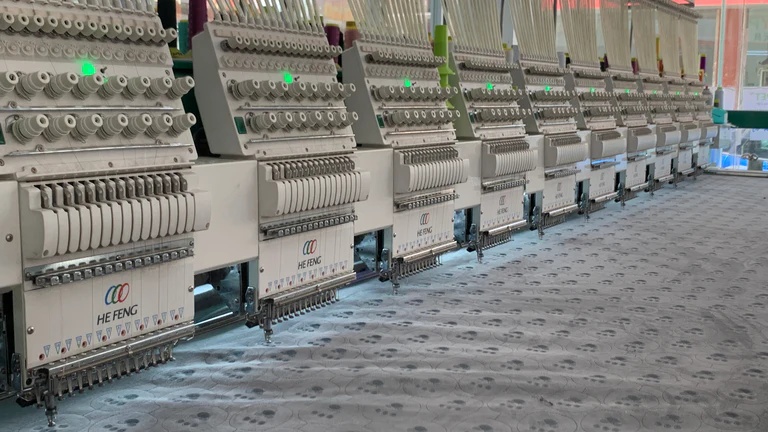
If you need deeper technical specs on embroidery compatibility, production lead times, or minimum order quantities, head over to our Custom Hats & Beanies page. You’ll find detailed guides and support for your specific project.
Final Verdict: Snapback or Fitted Hat?
So, after all that, which one wins? Honestly, there’s no universal champion. It’s not about better or worse. It’s about what fits your life, your head, and your goals.
Snapbacks are the people’s champion. They’re flexible, affordable, and dripping with that unapologetic street attitude. They work for almost everyone, almost everywhere, and they’re a breeze to produce and distribute.
Fitted hats are the purist’s pick. They offer a level of comfort and stability that adjustables just can’t match, provided you get the size right. They carry the weight of baseball tradition and ooze quality and refinement.
The right choice comes down to you. Think about how you want the hat to feel, how you want it to look on your face, and what you’re going to use it for. If you’re a brand owner, think about your customer’s lifestyle and your own production capacity. Once you understand the engineering and design philosophy behind each type, you’ll never second guess your decision again.