
Custom Mascots vs. Traditional Brand Ambassadors: When to Use Each Strategy
In modern marketing, brands are always looking for a better way to touch audiences and build long-term remembrance. Two popular routes are custom mascots and traditional brand ambassadors. Both try to make a brand feel more personal and they can deepen emotional bonds; still, they work in separate manners, and they bring different rewards based on marketing aims, available budget, and how people behave online.
Understanding Custom Mascots in Branding
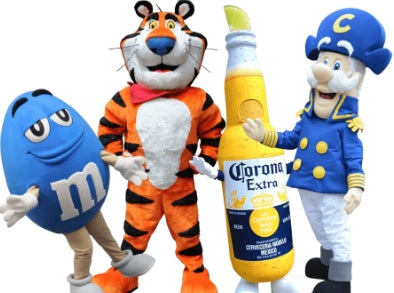
Custom mascots are specially made characters, like animals, people, or made up figures, used to stand for a brands identity and express its vibe across marketing channels. They turn abstract brand meanings into a visual and feeling based sign, so audiences can spot it quickly and then remember it later.

Advantages
- Strong brand recognition: A solid mascot acts like a fast visual cue for the brand, letting customers identify products or services right away across ads, packaging , and digital spaces.
- Long-term brand consistency: Unlike human representatives, mascots stay visually and behavioral stable over time, so messaging stays consistent across decades and global markets. It’s more reliable in a way that people are not, I mean it, since they can change roles, tone, or presence.
- High creative flexibility: Mascots can be pushed into animations, seasonal promos, social media content, and merchandise, without really losing the core identity. And yes, you can keep it continuous, even when the formats shift, and stuff like that.
- Emotional engagement: Seeing the same friendly and relatable character repeatedly helps form emotional familiarity, plus trust. This hits harder with families, and with younger audiences, who often respond to simple, repeated cues.
- Full brand control: The company keeps full ownership of the mascot, which avoids trouble tied to personality shifts, contract disagreements, or public controversies. Basically, it stays your asset, not somebody else’s story.
- Cost efficiency over time: There is some up-front design work, sure, but mascots can become cheaper in the long run than recurring celebrity endorsement fees. After a while, the early cost feels smaller.
Limitations
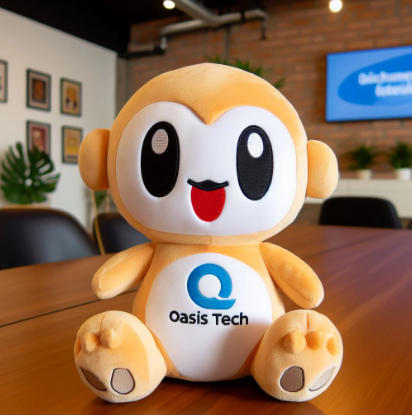
- Limited immediate credibility: Fictional characters usually should not hold the same authority or trust as real experts, influencers, or public figures, especially in technical spaces where stakes feel higher.
- High upfront design effort: To create a mascot that actually works, teams need strategic branding, professional design work, and testing, to make sure the audience clicks with the character in real life not just on paper.
- Slower market impact: Another downside is a slower market impact. Mascots often need repeated exposure, before people recognize them, so they can be less ideal for short term promotional bursts.
- Risk of poor audience fit: If the mascot design leans too childish, too abstract, or mismatches cultural expectations, the character may fail to connect, with the people you’re trying to reach.
- Ongoing management requirements: Even if the mascot feels steady, it still needs updates, story building, and content adaptation, so it stays relevant across modern media.
Understanding Traditional Brand Ambassadors
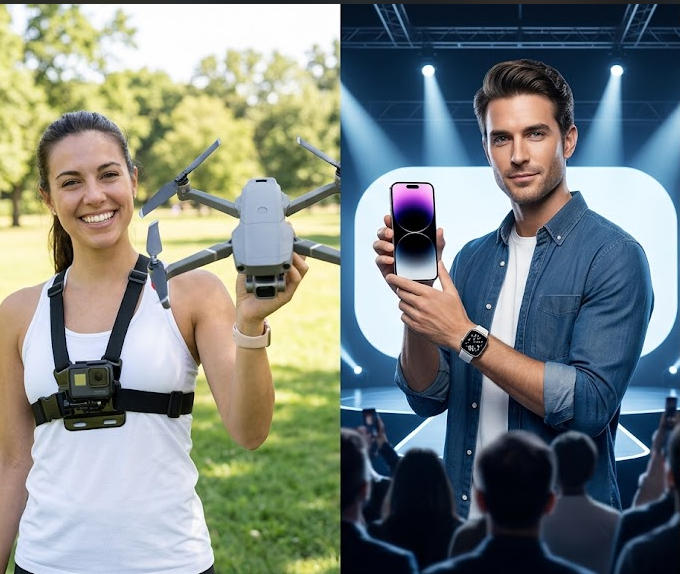
Traditional brand ambassadors are real people, like celebrities, athletes, industry specialists, or influencers, who represent a brand and keep promoting its products or services. And unlike fictional mascots, these ambassadors bring their own personality, standing, and audience pull into the brand connection, which helps in shaping what the public thinks about the company.
Advantages
- High credibility and trust: People often place more trust in real individuals than imagined characters, particularly when the ambassador has real-world expertise or notable achievements in a related area.
- Instant audience reach: Because an ambassador arrives with an existing fan base and social media attention, a brand can gain visibility pretty fast, without waiting as long.
- Strong emotional pull: Some consumers end up feeling personally close to the ambassador, so positive emotions can travel, directly to the brand.
- Compelling storytelling: Ambassadors can talk about their own experiences with a product, making the marketing message feel more genuine, and easier to connect with.
- Market positioning power: Linking up with high profile figures can raise a brand’s perceived standing, luxury feeling, or professionalism. Sometimes people read it as a kind of signal more than a tactic, ya know.
- Flexibility in campaigns: Ambassadors can show up in ads, interviews, events, and also in digital content, so they become adaptable marketing instruments.
Limitation
- Reputation risk: If the ambassador gets pulled into controversy, public scandals, or anything similarly loud, the brand’s image can get damaged. Then the backlash tends to stick around longer than expected.
- High cost: Celebrity endorsements and longer term contracts can be pretty expensive, especially for global personalities or those with high demand.
- Limited control over behavior: Since ambassadors are independent people, their actions, remarks, or positions outside of campaigns cannot really be managed 100% by the brand.
- Shorter relevance cycles: Public attention can swing quickly. So an ambassador who is influential today might fade sooner than planned.
- Dependency risk: Depending heavily on a single ambassador may blur the brand identity. If the partnership ends, or the collaboration is discontinued, the impact can be immediate.

The Comparison Between Custom Mascots and Traditional Brand Ambassadors
| Comparison Aspect | Custom Mascots | Traditional Brand Ambassadors |
| Brand Control | Fully controlled by the brand | Limited control due to personal independence |
| Consistency | Highly consistent over time (no aging or behavior change) | Can change due to career shifts, reputation, or personal decisions |
| Cost Structure | High initial design cost, lower long-term cost | Often high ongoing costs (contracts, endorsements, renewals) |
| Credibility | Lower real-world credibility, more symbolic | High credibility due to real-life achievements and identity |
| Emotional Connection | Built through storytelling and repetition | Built through relatability and admiration for the person |
| Speed of Impact | Slower to gain recognition | Fast impact due to existing fan base |
| Marketing Flexibility | Highly flexible (animation, packaging, digital content) | Flexible but dependent on ambassador availability |
| Risk Level | Low risk (no personal scandals or behavior issues) | Higher risk due to potential controversies |
| Longevity | Very long-term asset if maintained well | Limited by career longevity and public relevance |
| Best Use Cases | Long-term branding, FMCG, family-oriented products | Awareness campaigns, luxury brands, lifestyle marketing |
| Audience Appeal | Broad, especially younger or mass audiences | Strong with targeted fan communities |
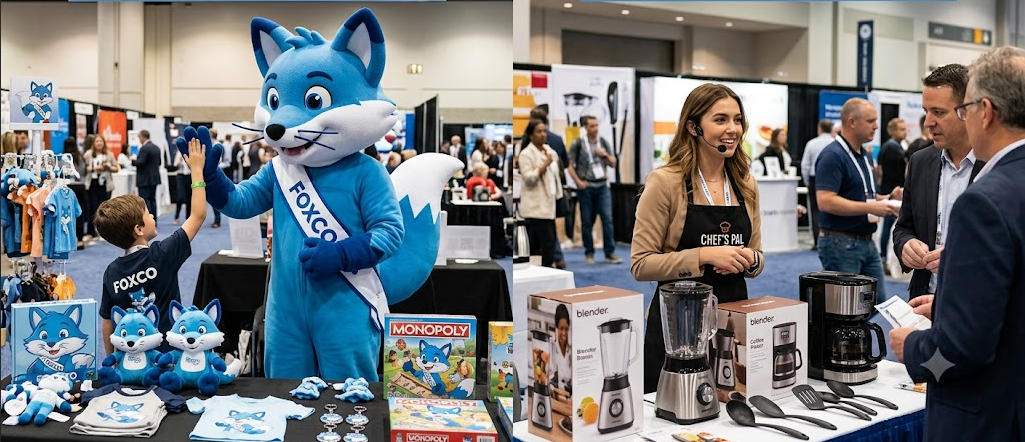
Key Considerations for Using the Strategy Between Custom Mascots and Traditional Brand Ambassadors
Choosing between custom mascots and traditional brand ambassadors is not only a creative decision, it is also a strategic branding choice that tweaks long term identity, marketing efficiency, and audience perception. Their effectiveness really depends on how well they line up with business goals, target audiences, and the budget plan in place.
1. Brand Positioning and Identity Goals
The first question is how the brand wants to show up in the market.
Custom mascots work best for brands that want a stable, timeless identity. Since they are fictional and fully guided, they can repeatedly mirror brand values without outside pressure. For instance, the Michelin Man has for a long time communicated safety and durability , in a way that stays steady across generations.
Traditional brand ambassadors , in contrast , seem better aligned with brands chasing a premium feel, fast moving trend relevance, or a clear lifestyle association. A figure like Michael Jordan helped bring Nike into a global performance and cultural icon status, driven by personal achievement, as well as everyday influence.

2. Target Audience and Market Behavior
Figuring out who you are talking to is critical when picking the strategy.
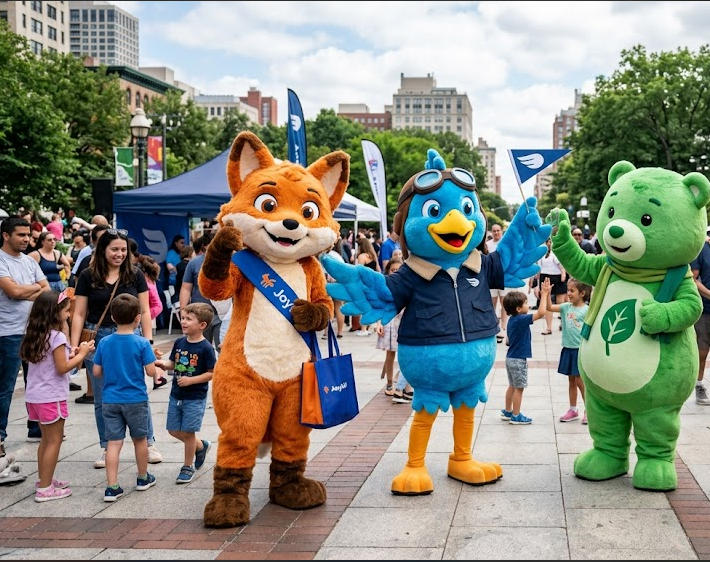
Mascots usually do better with broad public segments, families, and younger consumers, because storytelling, repetition, and visual identity often matter more than personal credibility. Their simplified, friendly persona makes them very reachable for most people, without requiring a deep backstory.
Brand ambassadors work better when the target crowd is aspirational, more niche focused, or strongly status oriented. People within fashion , sports, luxury, and technology often react strongly to real life figures they admire, or trust.
3. Budget and Long-Term Cost Planning
The cost structure is a major strategic lever.
Custom mascots usually need a pretty high first push of investment, in design, building, and branding integration. After that though, once they are already created, they tend to be cheaper to keep, and they can be reused again and again through campaigns.
Traditional brand ambassadors tend to bring recurring and sometimes expensive costs, like contracts, endorsements, renewals, and campaign charges. They can bring quick results,but the long run budget still has to cover those ongoing expenses
4. Control and Risk Management
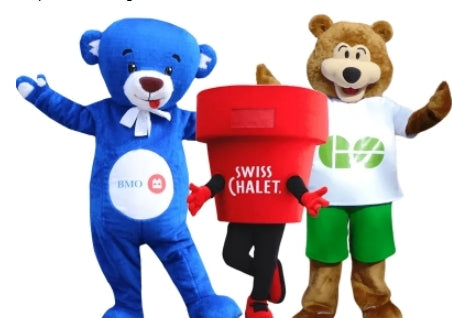
Control over brand messaging is also something to weigh carefully. Mascots give maximum oversight, because nearly every detail of their appearance, and even their behavior, is managed inside your team. This helps lower reputational risk and keeps communication steady across every channel. Brand ambassadors create more outside variables, because what they do publicly, what they say, and even personal matters can directly shape brand perception. One single controversy can really damage a campaign’s effectiveness and brand confidence.
5. Speed of Market Impact
The urgency behind marketing goals also changes the selection. Brand ambassadors give swift exposure, using their current fan base and established media presence. This often makes them especially strong for product launches or a fast competitive entrance. Mascots usually need longer exposure before people recognize them , like over a longer ramp up period. Yet after they are embedded, they can support steady brand recall, without ongoing celebrity dependence.
6. Flexibility Across Media and Campaigns
Each approach brings a different kind of creative leeway. Mascots are very versatile for animation, packaging, digital spaces, and merchandise, which makes them good for omnichannel branding. Brand ambassadors can bend the narrative through interviews, social media activations, storytelling, and live appearances, however their availability, and individual personal schedule can restrict what happens in practice.
7. Longevity and Brand Sustainability
Long-range brand building needs thinking past the right-now campaign stuff. Mascots are made for steady continuity, evolving slowly but keeping the basic identity intact. That is why they function as strong brand assets across decades. Ambassadors, in contrast, lean on career timing and ongoing public attention, so their effective branding life can feel shorter, even if the impact looks big.
Summary
- Custom mascots are ideal when a brand wants to build a timeless identity, ensure consistency across global markets, or target younger audiences through playful storytelling. They work especially well in industries where repetition and familiarity drive purchasing decisions.
- Brand ambassadors are more suitable when the goal is rapid awareness, credibility building, or entering competitive markets where trust must be established quickly. They are also effective when brands want to tap into specific communities or demographics.
- Brands that strategically combine both approaches often achieve the strongest results, using custom mascots to anchor identity and brand ambassadors to expand visibility.
Final Thoughts
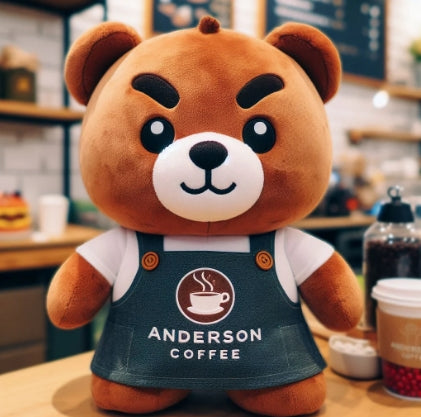
Custom mascots and traditional brand ambassadors are not really competing tactics but more like matching utilities in modern marketing; you can use them together. Mascots give a kind of steady base, recognizable identity, and lasting recall, while brand ambassadors bring authenticity, broader presence, and quick, persuasive pull. In a lot of today’s branding plans, it’s better to integrate both approaches: let mascots anchor the whole identity, and let ambassadors amplify visibility.