
How to Choose the Right Character Design for Custom Mascots
In today’s competitive marketplace, custom mascots have turned into really powerful branding tools that help businesses set up a memorable identity and maybe also create emotional ties with customers. Whether it’s promotional costumes, plush toys, event characters, digital avatars, or even brand ambassadors, a well-designed mascot can boost brand recognition a lot and drive stronger customer engagement. Still, making an effective mascot really starts with choosing the right character design. The best mascot should echo the brand’s personality, fit what the target audience wants, and stay good-looking across different uses like packaging or social media, and not just on one stage.
Why Character Design Matters for Custom Mascots
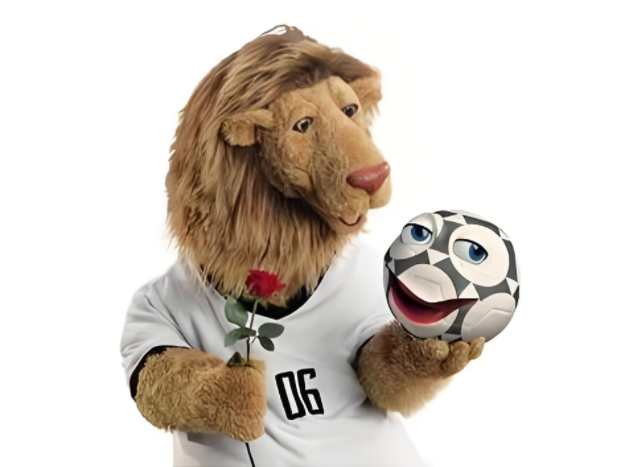
A custom mascot is much more than an attractive illustration, it becomes the personality of the brand. And sometimes, it also kinda shows how people perceive the company in real life. If the mascot is engaging, it can stir up positive feelings, boost brand recall, and even invite customers to interact across several marketing channels. On the other hand, a character that feels generic or doesn’t match the brand may have a hard time connecting with the audience, and then it ends up being less useful as a promotional tool.
A successful customized mascot design mixes visual charm with strategic intent. Every detail matters, the silhouette, the facial expression, the tones and palette, plus the accessories. All of that should quietly reinforce what the brand is trying to say, and the vibe should be consistent everywhere.
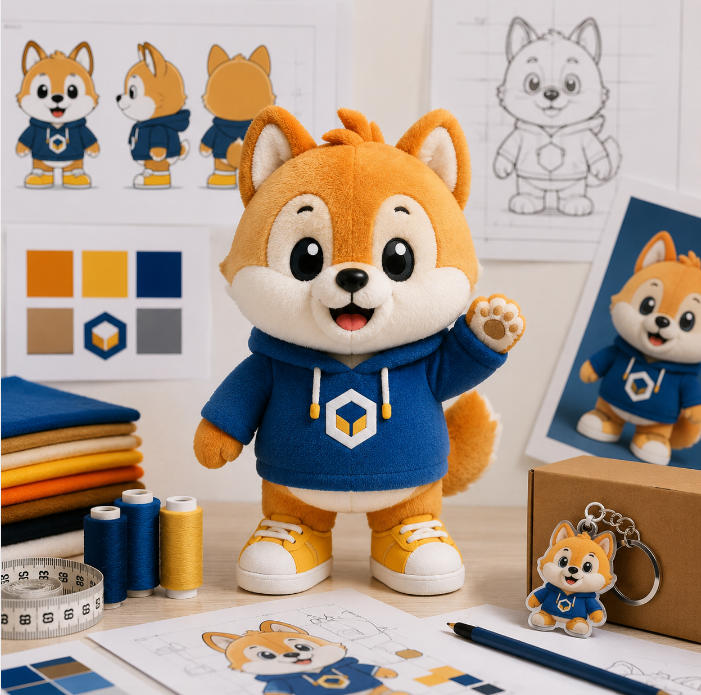
Key Steps of Choosing the Right Character Design for Custom Mascots
1. Start with a Clear Brand Identity
The first step in picking a mascot character is to really understand what the brand means and what it represents. Every mascot should, visually communicate the company’s vibe, the mission it follows, and the core values it sticks to. For a healthcare organization that might look like a character that shows trust and careful attention. A sports brand mascot might prefer a figure that shows power and relentless focus, not just general energy. Meanwhile, companies that push innovation often land on streamlined, modern appearances, whereas family-centered brands may lean toward a figure that feels welcoming and friendly.
When a mascot fits the brand identity, it creates that same consistency across the marketing materials and makes it easier for customers to connect the character with the business right away.
2. Know Your Target Audience
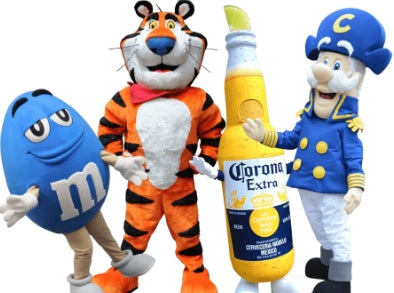
Different audiences respond to different character styles. Understanding who will interact with the mascot helps guide every design decision.
| Target Audience | Preferred Character Design | Key Design Characteristics | Design Considerations |
| Children | Cute animals, cartoon characters, fantasy creatures | Bright colors, rounded shapes, large eyes, friendly smiles, simple features | Prioritize safety, emotional appeal, and easy recognition. |
| Teenagers | Trendy, energetic, and expressive characters | Bold colors, dynamic poses, fashionable accessories, unique personalities | Reflect current trends while maintaining originality and brand identity. |
| Young Adults | Modern, stylish, and relatable mascots | Clean lines, balanced proportions, expressive facial features | Create characters suitable for both digital media and promotional merchandise. |
| Families | Warm, friendly, and approachable characters | Cheerful expressions, soft color palettes, welcoming appearance | Appeal to multiple age groups and promote trust and inclusiveness. |
| Corporate Professionals | Professional human characters, mascots with a sophisticated appearance | Minimalist design, confident posture, polished details | Align the mascot with the company’s professional image and corporate values. |
| Sports Fans | Powerful animals, athletes, superheroes, or mythical figures | Muscular forms, energetic poses, bold expressions, vibrant team colors | Convey strength, competitiveness, teamwork, and enthusiasm. |
| Educational Institutions | Intelligent animals, teachers, books, owls, or inspiring characters | Friendly expressions, academic-themed accessories, approachable design | Inspire learning while remaining engaging for students and educators. |
| Healthcare and Medical Audiences | Caring human figures or gentle animals | Calm colors, reassuring facial expressions, clean and simple appearance | Foster trust, comfort, professionalism, and compassion. |
| Technology and Gaming Enthusiasts | Robots, futuristic humans, AI-inspired or fantasy characters | Sleek shapes, metallic textures, glowing elements, innovative styling | Communicate innovation while maintaining a distinctive visual identity. |
| Environmental and Sustainability Audiences | Wildlife, plants, nature-inspired characters | Earth-tone colors, organic shapes, environmentally themed accessories | Reinforce environmental responsibility and conservation values. |
| Luxury and Premium Consumers | Elegant human figures or refined symbolic characters | Sophisticated color schemes, minimal details, graceful proportions | Emphasize exclusivity, quality, and premium brand positioning. |
| International Audiences | Universally appealing characters with simple visual language | Neutral expressions, culturally appropriate colors and symbols, recognizable silhouettes | Avoid cultural misunderstandings and ensure broad global appeal across different markets. |
3. Select the Most Suitable Character Type
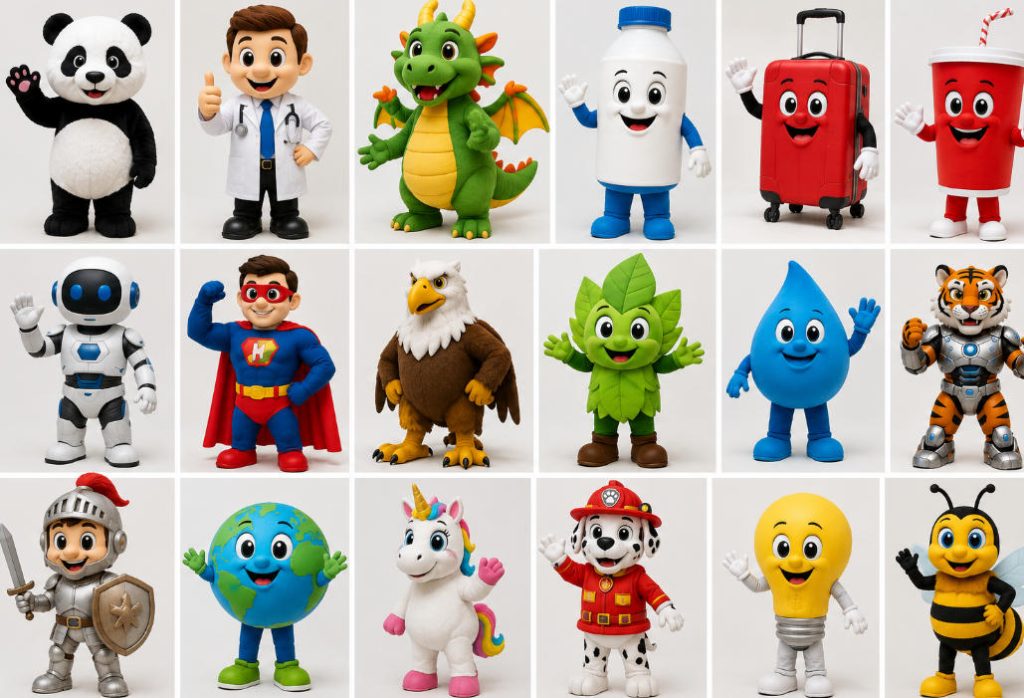
There are many types of mascot characters, each offering different branding advantages.
| Mascot Character Type | Description | Common Applications | Key Characteristics |
| Animal Mascots | Characters based on real or stylized animals that symbolize specific traits such as strength, wisdom, speed, or friendliness. | Sports teams, schools, zoos, food brands, environmental organizations | Highly relatable, emotionally appealing, versatile, and easy to recognize. |
| Human Mascots | Characters inspired by people, such as employees, professionals, historical figures, or fictional personalities. | Healthcare, education, hospitality, retail, corporate branding | Creates familiarity, trust, and a strong personal connection with audiences. |
| Fantasy Mascots | Fictional creatures including dragons, unicorns, monsters, aliens, fairies, or magical beings. | Entertainment, gaming, theme parks, children’s brands | Highly creative, memorable, and capable of expressing unique brand personalities. |
| Product Mascots | Characters created by personifying a company’s product or packaging. | Food and beverage, consumer goods, household products | Strengthens product recognition while making products more engaging and memorable. |
| Object Mascots | Everyday objects transformed into animated characters. | Educational campaigns, promotional events, public awareness programs | Creative, distinctive, and suitable for explaining products or concepts. |
| Food and Beverage Mascots | Characters based on fruits, vegetables, snacks, drinks, or other food items. | Restaurants, beverage companies, supermarkets, food manufacturers | Friendly, colorful, and effective for family-oriented marketing. |
| Robot Mascots | Futuristic robotic or AI-inspired characters representing technology and innovation. | Technology companies, electronics brands, robotics firms | Modern appearance, clean lines, and innovative personality. |
| Superhero Mascots | Characters designed with heroic abilities, costumes, or symbols of courage and strength. | Fitness brands, sports organizations, safety campaigns | Inspires confidence, motivation, and determination. |
| Mythical Mascots | Characters inspired by legends and mythology, such as phoenixes, griffins, or sea creatures. | Luxury brands, tourism, cultural organizations, sports | Rich symbolism, powerful storytelling, and distinctive visual identity. |
| Nature-Inspired Mascots | Characters based on plants, trees, flowers, clouds, mountains, or other natural elements. | Environmental organizations, agriculture, sustainability campaigns | Communicates eco-friendliness, growth, and harmony with nature. |
| Abstract or Symbolic Mascots | Original characters created from shapes, symbols, or imaginative concepts rather than recognizable living beings. | Technology companies, startups, financial institutions | Unique, modern, and highly adaptable to different branding strategies. |
| Hybrid Mascots | Characters combining features from multiple categories, such as human-animal or robot-animal designs. | Entertainment, gaming, creative branding, promotional campaigns | Distinctive appearance, creative flexibility, and strong visual impact. |
4. Keep the Design Simple and Memorable
One of the defining characteristics for successful mascots is simplicity, and this is usually what keeps them stuck in people minds. A character with clean shapes, recognizable silhouettes, and balanced proportions tends to be easier for an audience to recall and identify, even when they see it quickly. If the design gets overly complicated it can look very impressive in concept art but then the clarity drops when it has to be reproduced on promotional items, embroidered logos, or even wearable costumes.
Also, simple designs travel better across different sizes and uses. They can work as website icons and social media graphics, and they can still hold up when used for big event displays, or turned into plush toys. When businesses focus on essential visual features instead of excessive detail, the mascot stays recognizable in virtually any format.
5. Develop a Strong Character Personality
At the same time, a mascot’s appearance should be backed by a personality that mirrors the brand values. Customers are more likely to remember and engage with a character that shows emotions, attitudes, and behaviors that feel genuine and steady.
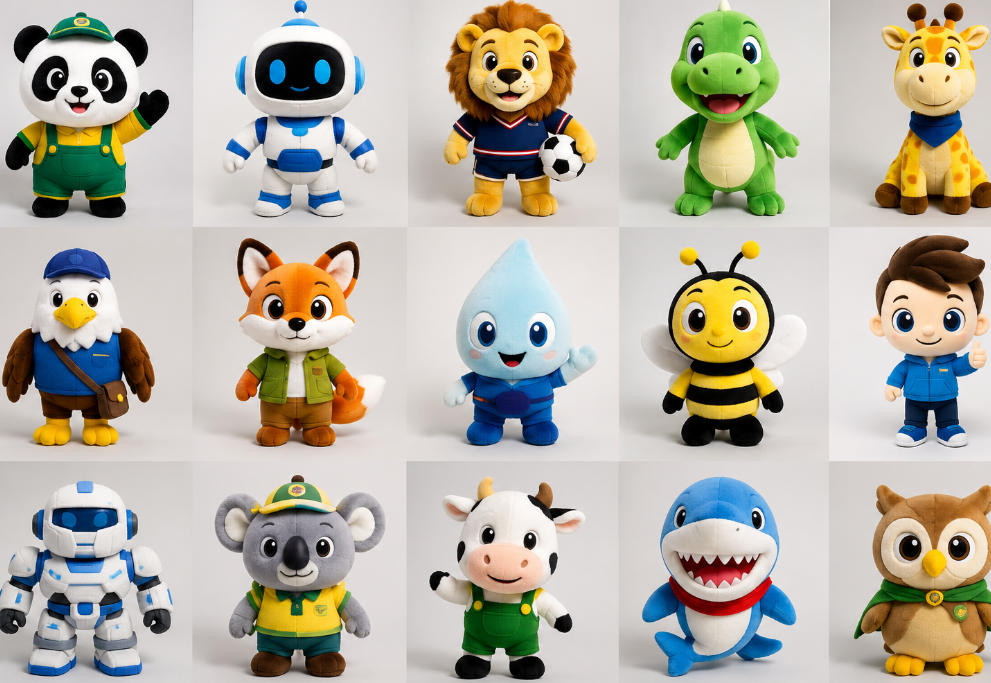
Expressions, posture, gestures, and those little accessories all add up to what a mascot feels like. A confident mascot might just stand tall, with bold facial expressions, yet a friendly mascot can show a welcoming smile and a more open body stance. When you set up these personality cues early it also gives strong direction for later advertising work, animation scenes, and even social media posts, so the mascot becomes an active storyteller instead of merely a visual sign.
6. Choose Colors Carefully
Color plays an important role in character recognition and emotional appeal.
Common color associations include:
| Color | Common Brand Impression |
| Red | Energy, passion, excitement |
| Blue | Trust, professionalism, stability |
| Green | Nature, health, sustainability |
| Yellow | Happiness, optimism, warmth |
| Orange | Creativity, enthusiasm |
| Purple | Luxury, imagination |
| Black | Sophistication, power |
| White | Simplicity, cleanliness |
Whenever possible, incorporate the company’s brand colors to reinforce visual identity.
7. Balance Creativity with Practical Manufacturing
A character that looks really sharp on a computer screen can still cause serious problems once you move into real-world production. Custom mascots are frequently made as plush toys, wearable costumes, giveaway items, or decorative displays, and each format demands practical design choices and careful making.
Very detailed illustrations with a bunch of tiny bits may raise production complexity, cost of manufacturing, and the overall assembly time. Features like oversized attachments, thin limbs, or complex facial elements can also be tricky to reproduce the same way, across different materials. For that reason designers should aim for characters that keep their visual charm while still working for embroidery, fabric sewing, printing, molding, or digital animation.
A tight back and forth between designers and manufacturers during the development phase helps flag possible production issues before anything gets locked in.
8. Design for Versatility
Today’s brands communicate with customers across a growing set of platforms, so versatility becomes a key thing to consider in mascot design. One character might show up as a social media sticker, a website drawing, a product packaging graphic, an animated video, a trade show costume, a plush toy, or even a collectible figure.
Designers should make sure the mascot keeps the same identity, no matter the format, the scale, or the medium. If the character design is flexible enough it can fit seasonal themes, promotional campaigns, or special editions, while still holding onto that core look customers recognize, and remember.
9. Plan for Long-Term Brand Value
Even if design trends constantly keep shifting, a good mascot needs to stay relevant for many years. If you chase short-lived artistic trends you can end up with a figure that quickly feels outdated, and then you get costly redesigns. Instead, companies do better by investing in timeless character work that can move forward with small refinements, without breaking the recognizable identity.
When a mascot has long-lasting appeal, it becomes a real brand asset that keeps supporting customer recall and trust across multiple generations of marketing efforts.
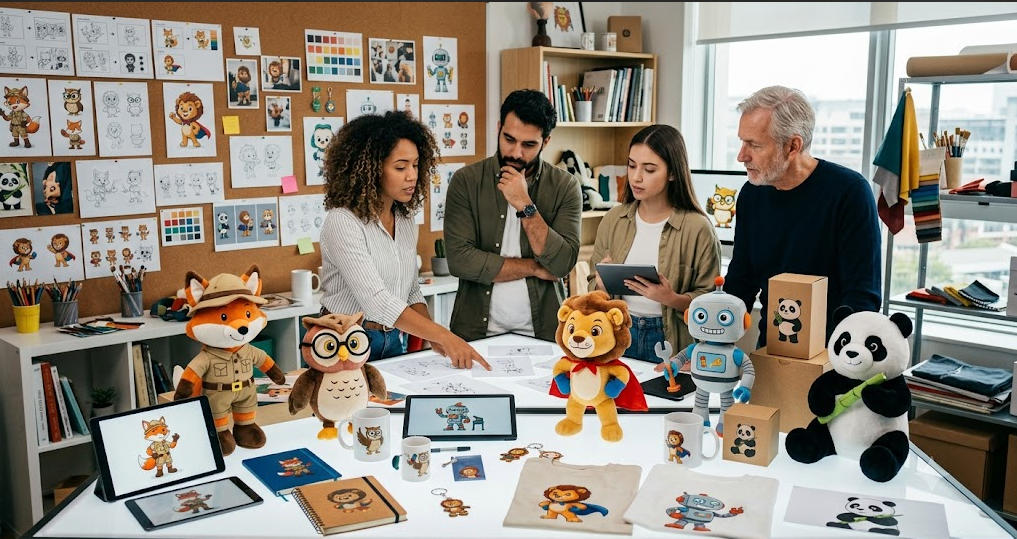
Test the Character Design Before Final Production of the Custom Mascots
| Testing Aspect | Purpose | Key Evaluation Points | Benefits |
| Brand Identity Verification | Ensure the mascot accurately represents the brand. | Check whether the character reflects the company’s values, personality, colors, and overall image. | Strengthens brand consistency and recognition. |
| Audience Feedback | Determine how the target audience responds to the mascot. | Gather opinions on attractiveness, friendliness, memorability, and emotional appeal through surveys or focus groups. | Improves customer acceptance and engagement. |
| Digital Mockup Review | Evaluate the mascot in various digital applications. | Test appearance on websites, social media, advertisements, packaging, and promotional materials. | Ensures visual consistency across marketing channels. |
| Model Evaluation | Assess the mascot from multiple angles before production. | Examine proportions, balance, facial expressions, and structural design. | Identifies design flaws before manufacturing begins. |
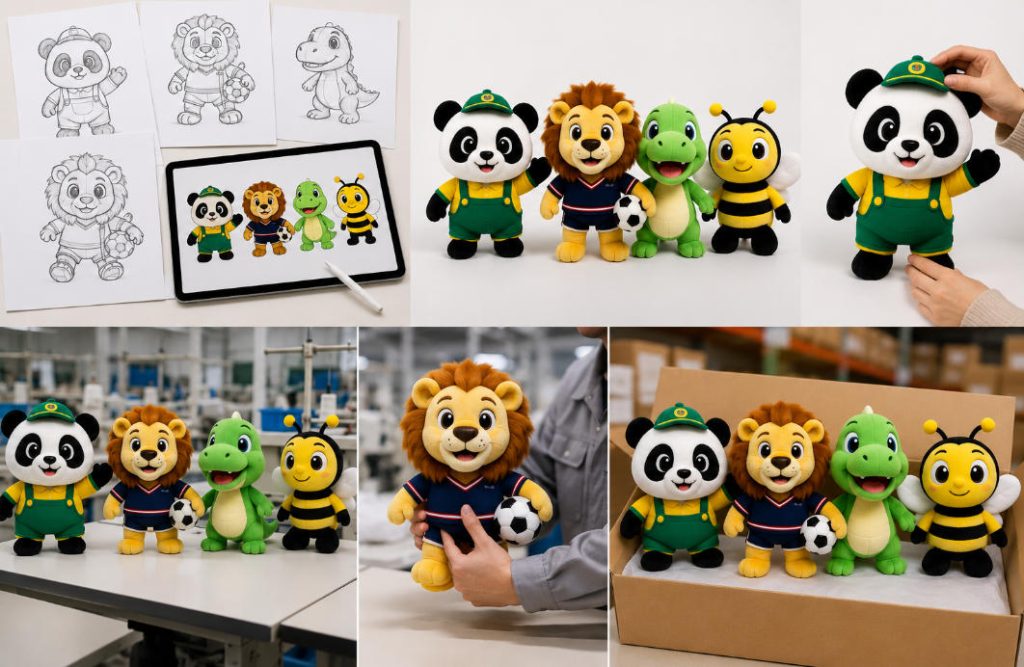
| Prototype Production | Create a physical sample for inspection. | Review overall appearance, stitching, assembly quality, and dimensional accuracy. | Detects manufacturing challenges early and reduces costly revisions. |
| Material Testing | Verify that selected plush toy materials meet quality expectations. | Evaluate fabric texture, durability, color fastness, softness, and safety. | Improves product quality and extends service life. |
| Functionality Assessment | Confirm the mascot performs well in its intended application. | For costumes, evaluate comfort, visibility, mobility, and ventilation; for plush toys, assess handling and shape retention. | Enhances user experience and practical performance. |
| Manufacturing Feasibility Review | Ensure efficient and consistent production. | Identify overly complex features, difficult stitching areas, or components that increase production costs. | Optimizes manufacturability while maintaining design quality. |
| Safety Inspection | Verify compliance with applicable safety standards of plush toys. | Check for secure attachments, non-toxic materials, smooth edges, and child-safe construction where applicable. | Reduces safety risks and supports regulatory compliance. |
| Multi-Application Compatibility Test | Confirm the mascot works across different product formats. | Evaluate scalability for plush toys, costumes, keychains, promotional gifts, animations, and printed graphics. | Increases design versatility and branding flexibility. |
| Color and Detail Consistency Check | Ensure accurate reproduction during manufacturing. | Compare prototype colors, embroidery, printing, and decorative details with the approved design. | Maintains consistent brand identity across all products. |
| Final Quality Approval | Perform a comprehensive review before mass production. | Inspect appearance, workmanship, dimensions, functionality, and branding accuracy against design specifications. | Minimizes production defects and ensures high-quality final products. |
Summary
Choosing the right character design for custom mascots takes a careful mix of imagination, brand alignment, how the audience thinks, and what actually works in manufacturing. You start with the character type, then you shape the personality, and you keep asking whether the design feels readable at a glance. After that, you want the mascot to behave well in many places, like on screens or on physical displays, even when the details get reduced. Every small design decision matters because it helps the mascot stand in for the brand in a clear and friendly way. When companies lean into simple forms, real emotional appeal, enduring visual style, and realistic production limits, they tend to build custom mascots people remember. In the end, these choices help strengthen brand recognition, invite customers in, and keep marketing efforts working for a long time.