
What are the Best Pet Toys?
In the pet supplies market, “the best pet toys” is a topic that comes up again and again. For pet owners, toys represent companionship, enrichment, and joy. From a manufacturing perspective, however, pet toys are a form of product engineering, one that must carefully balance safety, durability, and functional design.
So, what are the best pet toys?
Based on extensive production and real-world application experience, there is no single toy that works perfectly for every pet. The right pet toy should be evaluated holistically, taking into account the type of pet, behavioral habits, and long-term usage scenarios.
As a professional pet toy manufacturer, we will analyze what makes a high-quality pet toy from both manufacturing and practical application perspectives, helping you gain clear, practical guidance for choosing the most suitable pet toys.
What Makes a Pet Toy Truly “the Best”?
When assessing a pet toy from the point of view of manufacturing, it is not often the case that factors such as appearance and price are the main concerns. More often than not, the main factors that govern the assessment of a pet toy include:
Safety: The Fundamental Requirement
The shininess and smell are other criteria to consider beyond general safety; pets love toys that have these characteristics, as we know. Influencing factors other than these would not achieve such a high positive response from pets. Influencing these primary factors entailing danger in pet toy advents would eventually make for the lameness of little life, with pet life increasingly different from human beings’.
In the case of pet toys that may be chewed by the pet, factors such as the stability of the materials and their safety are crucial in establishing the foundation upon which the pet toy can be deemed reliable.
Durability: Driven by Design and Craftsmanship
Many people assume that a toy’s durability depends mainly on material thickness. In practice, however, structural design, mold precision, and process control often play an even more important role.
A well-made pet toy can maintain its structural integrity despite repeated use and chewing, reducing the need for frequent replacement and minimizing both cost and waste.
Behavioral and Mental Stimulation Value
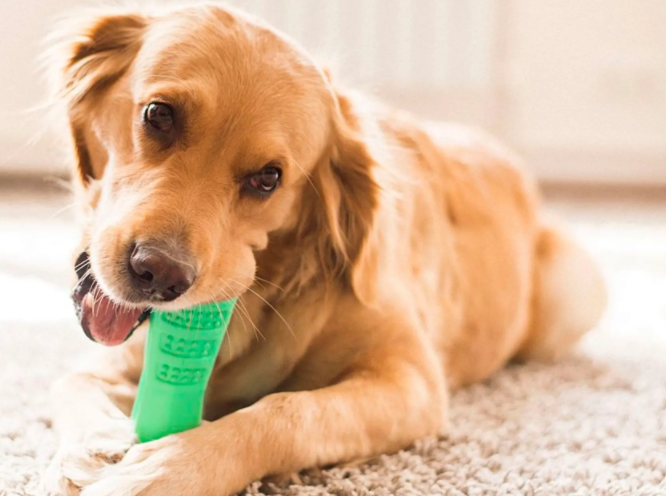
The best pet toys are not just for passing the time; they also meet the behavioral and mental needs of pets. Through thoughtful structural design and functional features, toys can encourage pets to stay active, reduce boredom, and alleviate anxiety, contributing positively to both physical and mental well-being.
Best Types of Pet Toys for Dogs
Dogs are generally stronger and more persistent in their play compared to other pets. Therefore, when selecting pet dog toys, it is essential to pay close attention to durability and functionality to ensure safety, engagement, and long-term use.
Durable Chew Toys for Dogs
Generally, chew toys fall under the most popular group of dog toys. They tend to be made of solid rubber or other engineered plastics that are resilient in the face of strong chew pressure while protecting canine dental health.
In the transformable mode from design to manufacture, a truly durable chew toy must address the problems associated with hardness, thickness, and wear-in methods. Much of the durability of the toys, however, comes from within—how the Chew Toy is designed to withstand stress, with particular attention to where stresses are distributed, and the resilience of the material.
Such considerations refer to the toy’s capabilities of holding up against repeated heavy chewing pressures without undergoing any breakage. All this means that their specific design aspects have considerably reduced the risk associated with smaller pieces breaking off and being swallowed, causing any injury. Thus, they can be expected to offer long-term safety for the dog.
Interactive Toys for Dogs
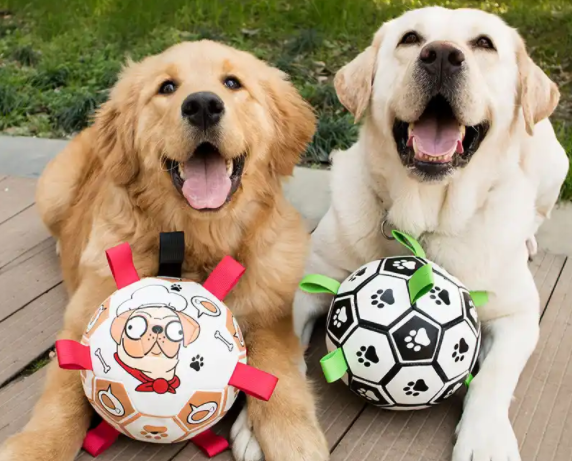
Interactive toys are those that increase the engagement of the dog. Examples of interactive toys include those that can be thrown and caught by the dog.
When making interactive dog toys, the manufacturers have to consider the reliability and safety of the toys. Interactive dog toys that are well made can be used over and over again without getting dull for the dog. Interactive dog toys not only increase the lifespan of the toys but also provide mental stimulation for the dog, increase the bond between the dog and the owner, and increase physical exercise for the dog.
Functional Toys for Specific Behavioral Needs
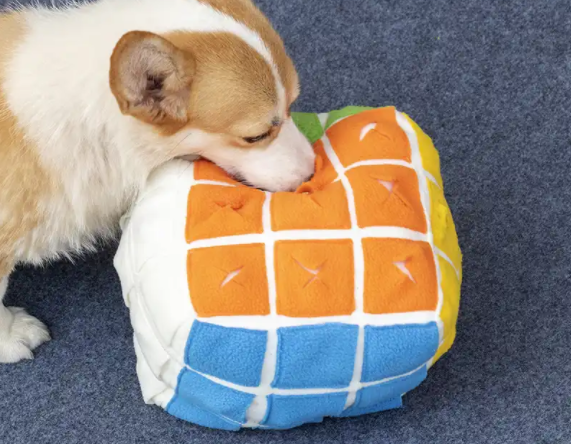
Dogs have diverse behavioral tendencies—some are highly energetic, while others may experience anxiety or stress. Functional toys designed to address these differences can help improve behavior and overall well-being.
For example:
- Anxious or stressed dogs may benefit from chew toys or comfort toys that provide a calming effect.
- High-energy dogs may need puzzle toys or fetch toys that engage both mind and body.
- Dogs prone to destructive behavior can be guided toward durable, stimulating toys that satisfy their chewing instincts without damaging household items.
- Understanding a dog’s unique behavior patterns and energy levels, manufacturers and pet owners can select toys that are safe, stimulating, and truly beneficial, rather than choosing based solely on appearance or price.
Best Types of Pet Toys for Cats
Compared to dogs, cats’ toys place a greater emphasis on agility, sensory stimulation, and interactive feedback. Selecting the right toys for cats involves understanding their natural instincts and indoor lifestyle needs.
Interactive Toys that Stimulate Hunting Instincts
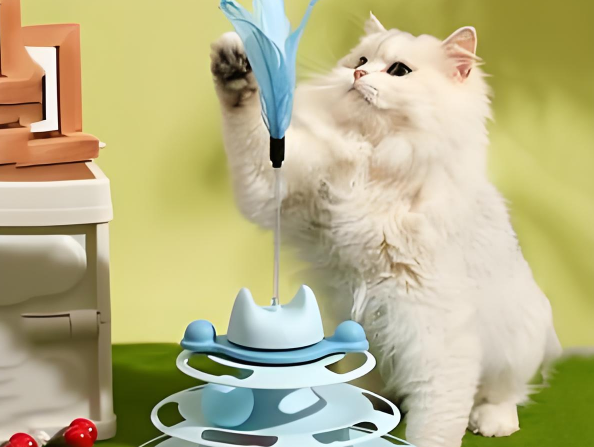
Cats tend to be sensitive to moving objects. Therefore, interactive cat toys that are lightweight, moving, and have irregular patterns of movement tend to attract their attention.
The interactive cat toys can be designed based on balance, irregular patterns of movement, and texture. Interactive cat toys that wiggle, flutter, or bounce in irregular patterns tend to stimulate the hunting instinct of cats. Interactive cat toys can be designed in a way that they tend to maintain the interest of cats in a healthy manner.
Toys for Indoor Cats
For cats living indoors primarily, toys are a necessary source of mental stimulation, and playtime. Toys like self-play toys, treat-dispensing puzzles, oddly-shaped balls that are unpredictable in movement, and hanging toys can help erase the geometrical stress of their environments.
Regimented activities provide both a way to exercise the body and to challenge the mind in order to lessen stereotypic behaviors such as compulsive grooming, furniture scratching, or lethargy, among others. Although manufacturers and owners of indoor cats should, therefore, aim for their toys to be long-lasting source of good behavior and challenge the cats’ mental capacity, they should also keep safety as their chief concern and under no circumstances offer something that finally ceases to excel indefinitely.
Best Pet Toys for Different Use Scenarios
In practice, pet toys need to be tailored to specific usage scenarios, as pets interact with toys in very different ways depending on their habits, age, and environment.
Toys for Heavy Chewers: Focus on Structural Stability
Pets known to chew hard, such as dogs at an adult age, require toys that can withstand heavy chewing and pulling without breaking into pieces too quickly. In making toys for heavy chewers, besides making the toys thick, the focus is on the stress pattern in the toys such that they do not break into pieces too quickly.
Toys for Boredom Relief: Focus on Interaction and Engagement
Toys meant to relieve pets from boredom, such as puzzle toys, treat-dispensing toys, and interactive fetch toys, among others, have the purpose of maintaining pets’ mental and physical engagement over a long period. In making such toys, besides making them durable enough to withstand repeated use, the focus is on ensuring the toys can withstand prolonged use without breaking apart too quickly.
Toys for Young Pets: Prioritizing Softness and Safety
For puppies, kittens, and other young pets, the toys should be softer, lighter, and of the correct size to avoid the risk of the pet choking on the toys or getting injured by the toys.
From the production perspective, each of the above scenarios has its own set of design rationale, testing, and quality control. For example, while toys for heavy chewers need to be tougher, toys for interaction need special design consideration for the mechanism of the toys. Safety and comfort are the key factors for young pets.
How to Choose the Right Pet Toys?
When purchasing or developing pet toys, several key factors should be considered to ensure the toy is truly suitable for your pet, rather than just visually appealing.
Pet Size and Strength
The size, breed, and physical strength of a pet are critical in selecting the right toy. A small or delicate pet may require lightweight, soft, or small-scale toys, while larger or stronger pets need durable toys with reinforced structures to withstand biting, pulling, or jumping. Selecting a toy that matches your pet’s physical capabilities helps prevent accidents and extends the toy’s lifespan.
Age and Developmental Needs
Each age has different play and developmental needs. Young animals need safe and soft toys for teething and playing, while mature pets require toys that will give them a workout in both mental and physical terms. Oldies should be engaged, but they should not be stimulated enough to burden them much further. By considering the developmental needs of pets, the pet toy will allow for the health and development of pets.
Behavioral Habits and Activity Levels
Pets have different personalities and activity levels. Some pets are highly energetic and require toys that will challenge their intelligence or provide active play. Others may be less active and require toys that provide comfort. By understanding the daily behaviors and activity levels of pets, the right toys that will provide them with the required stimulation and satisfaction will be selected.
A toy that is well-suited for a pet is much more valuable than a toy that “looks attractive.” A good selection of a pet toy will provide the pet with the required stimulation and satisfaction, and this will enhance the pet’s overall well-being and the relationship that an owner has with the pet.
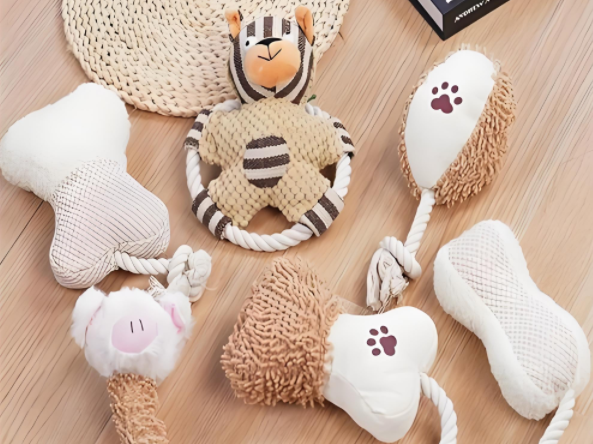
What Makes the Best Pet Toys?
In summary, the best pet toys are not about the products themselves, but rather about the best fit. It is about finding the right balance in terms of safety, durability, and functionality, as well as the actual usage requirements of the pets.
In terms of the actual manufacturing process as well as the application scenario, the most important factors for the quality of the pet toys are the stability of the quality control, the design, and the understanding of the usage scenario.
In terms of the brands, the best way to find the right pet toys is to find the right partner with the right expertise in terms of the understanding of the products, as well as the manufacturing capabilities.