
Keychain Materials: How to Choose the Best One for Your Bulk Orders
So you’re a sourcing manager or a brand marketing lead. And you need to pick the right keychain materials for a big bulk order. This decision is actually one of the most important financial and quality calls you’ll make.
A standard keychain? It’s usually made of three parts. The main charm (that’s the promotional piece), a small jump ring, and a high elasticity split ring (the part that actually holds your keys).
When you’re evaluating mass production, your real goal is simple. You want to balance mechanical durability, visual appearance, and long term production costs. Find that sweet spot for your business. This guide will walk you through the most common raw materials out there. We’ll share real factory pros and cons, no fluff.
Table of Contents
Keychain Materials: 12 Popular Options for Sourcing Managers
To build a smart sourcing strategy, you need to know how different keychain materials behave physically. And how that ties back to your business goals. Below are 12 core materials you’ll find across global supply chains.
1. Zinc Alloy
Pros:
Zinc alloy has a very low melting point and great fluidity. The main process here is die casting. Think of it like pouring melted liquid chocolate into a cookie mold. It flows into every tiny gap. That’s why it’s perfect for complex 3D brand mascots and fine textured details.
Cons:
It’s not as tough as high strength stainless steel. If something really heavy crushes it, like a truck running over your shipping carton, thinner zinc parts might crack or break.
Best for: Mid to high end corporate swag, car dealership gifts, and retail grade keychains that need a heavy, premium feel.
2. Stainless Steel
Pros:
This stuff is super hard and resists corrosion really well. You don’t even need an extra plating layer for protection. It’s like a corrosion resistant shield by itself, similar to high end stainless steel kitchenware. Rub it against your hard metal keys every day. It won’t chip or rust.
Cons:
It’s so hard that factories can’t melt it in regular molds to make complex 3D shapes. The only way is laser cutting. Imagine a super sharp invisible knife cutting through a flat hard cardboard. So you’re limited to flat 2D geometric designs.
Best for: Outdoor multi tool keychains, minimalist corporate gifts, or industrial equipment tags.
Here’s a quick quality check for bulk orders. Use a small magnet. That’s the magnet test. Real good quality stainless steel has very weak or no magnetic pull. But if someone uses cheap iron to fake it? That piece will stick to the magnet like crazy.
3. Iron
Pros:
The raw material cost is dirt cheap. Plus iron is dense. So the finished product feels heavy in your hand. That can trick some consumers into thinking “oh this is expensive and high quality.”
Cons:
Its physical properties are unstable. It oxidizes and rusts very easily. All that protects it is a thin electroplated layer. Once that layer gets scratched during normal use, and then gets wet, the rust starts from the inside. Your whole batch will turn black and ugly fast.
Best for: Massive giveaways at trade shows (tens of thousands of units), political campaign event gifts, or low budget global holiday promotions.
4. Brass and Bronze
Pros:
These copper alloys have a unique vintage color. At the factory, they react perfectly with chemical aging agents. You get that antique patina look, just like old bronze artifacts. And over time, with more use, they actually get shinier. That rich, high end vibe.
Cons:
The material price on the non ferrous metal market is very high. They’re also heavy. Ship a big bulk order by air, and your freight budget will take a serious hit.
Best for: University graduation commemorative coins, military or law enforcement challenge coin keychains, or luxury brand VIP gifts.
5. Copper
Pros:
Pure copper has excellent ductility and heat resistance. It’s actually the only required base metal for hard enamel production. Hard enamel is like sprinkling colored glass powder on metal and baking it at 800°C in a kiln. Copper stays stable at those high temperatures. No warping, no cracking.
Cons:
Price wise, it’s in the expensive tier right after gold and silver. And the material is a bit soft, so not ideal for long, thin structures that need to bear heavy weight.
Best for: Collector grade hard enamel keychains, or high end museum cultural creative derivative products.
6. Silver
Pros:
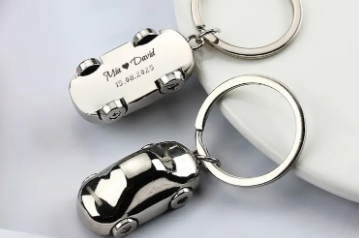
No competition here. That precious metal luster is unbeatable. Maintenance is just like fine jewelry. Yes, it will tarnish over time. But a quick wipe with a silver polishing cloth, like a magic microfiber with special powder, and it’s mirror bright again.
Cons:
The cost is extremely high. And your supply chain needs separate secure storage for precious metals. Not suitable for any mass market promotion.
Best for: Limited edition luxury brand collaborations, or exclusive car club owner delivery gifts.
7. Aluminum
Pros:
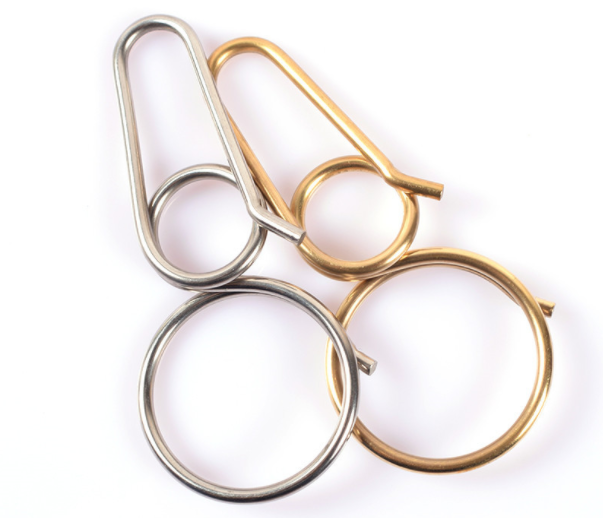
Very low density. It feels light in your hand, almost like an empty soda can. About one third the weight of iron or zinc alloy. It also takes anodizing very well. That’s an electrochemical process that creates a colorful, durable “dyed skin” on the surface. You get bright colors that won’t fade.
Cons:
Soft. The surface scratches easily when rubbed against steel keys. You’ll see white marks.
Best for: Outdoor climbing carabiners, functional bottle opener keychains, or lightweight luggage tags.
8. Acrylic
Pros:
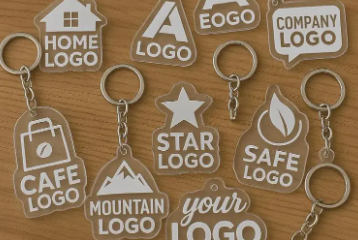
It has a glass like transparency. You can do full color double sided printing in bulk, with the design sandwiched between two plastic layers. The biggest B2B advantage? No expensive metal mold. It’s all laser cut.
Cons:
Think of it like a plastic phone screen without a protector. After a few days rubbing against metal keys in your pocket, the surface gets covered in micro scratches. Then it looks foggy.
A good tip for preventing scratches during sea freight. Quality factories will apply double sided protective film before shipping. Before you place your order, make sure you understand surface protection and MOQ rules for custom acrylic keychains. That’s your best bet for unboxing perfect retail grade products.
Best for: Anime and gaming IP merch, game convention swag, coffee shop small retail items, or testing new designs.
9. Soft PVC
Pros:
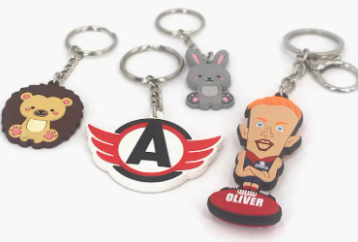
It’s like a flexible rubber coaster. You can bend it, and it’s 100% waterproof and drop proof. Drop it from a 10th floor onto concrete? No damage. Factories can use multi layer drip molding to create cool 2D or 3D color blocking effects.
Cons:
If exposed to direct sunlight or high heat for a long time, lower quality soft PVC can have plasticizer migration. Imagine the rubber sweating and getting sticky. Plus it can smell like strong plastic.
Best for: Kids brand promotional items, amusement park mascot merch, or street culture sports accessories.
10. Leather and Wood
Pros:
This is your natural and eco friendly route. Real leather gives a warm, business class feel. Wood has its own natural grain. You can laser engrave it, like using a hot brand to burn a perfect logo into the surface. Very rustic and authentic.
Cons:
Wood hates moisture. In very humid conditions, it can crack or grow mold. Real leather needs edge finishing. Otherwise the edges will fray and split in bulk production.
Best for: Eco resort souvenirs, high end country club member tags, or design focused retail stores.
11. Plush Fabric
Pros:
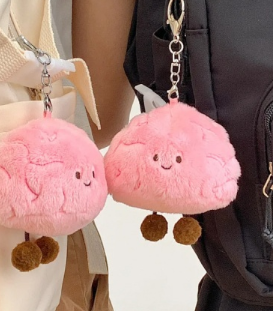
This adds a whole 3D stuffed toy dimension. In your pocket, it feels like a little teddy bear. The emotional comfort value is huge. Plus it’s super soft. It will never scratch your car dashboard or phone screen.
Cons:
It gets dirty easily. Oil or liquid stains are very hard to clean. For bulk production and storage, you need individual dust proof bags.
Best for: Lifestyle brand accessories, cute bag charms, or corporate mascot extensions.
12. Embroidered Threads
Pros:
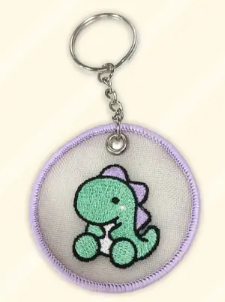
The texture is thick and raised, just like a premium military uniform patch. It doesn’t crease easily, and it adds almost no weight to your keychain.
Cons:
Because it’s stitched thread by thread, if your brand logo has tiny letters smaller than 1.5mm, they might come out blurry. You won’t get the same sharpness as digital printing.
Best for: Motorcycle or aviation “Remove Before Flight” tags, streetwear brand gifts, or esports team merch.
Keychain Materials Table: A Quick Comparison for Your Production
Want to present this to your team? Here’s a one table summary of all 12 keychain materials and their production parameters.
| Material Type | Unit Cost Tier | Best Practical Usage | Durability Level | Tooling Mold Fee Required? |
| Zinc Alloy | Medium | 3D brand logos, high end corporate gifts | High | Yes (hard steel mold) |
| Stainless Steel | Medium High | Minimalist flat designs, rugged outdoor tools | Maximum | No (pure laser cutting) |
| Iron | Low | Massive trade show giveaways (hundreds of thousands) | Medium Low (rusts easily) | Yes (very low cost) |
| Brass / Bronze | High | Military coins, vintage university emblems | High (gains patina over time) | Yes (precision steel mold) |
| Copper | High | High end hard enamel collectibles (800°C firing) | High (softer but heat resistant) | Yes (precision mold) |
| Silver | Maximum (Luxury) | Luxury car club gifts, limited edition collabs | Medium High (needs regular wiping) | Yes (handcraft or precision mold) |
| Aluminum | Low to Medium | Outdoor carabiners, functional bottle openers | High (very light, no rust) | Yes (basic extrusion mold) |
| Acrylic | Low | Anime and pop culture merch, IP pop up stores | Medium (surface scratches easily) | No (laser cut, no mold) |
| Soft PVC | Low | Kids cartoon merch, waterproof and drop proof accessories | High (flexible and drop proof) | Yes (cheap silicone mold) |
| Leather / Wood | Medium High | Eco friendly themes, vintage club plaques | Medium (wood hates water, leather hates humidity) | No (usually laser engraved) |
| Plush Fabric | Medium | Brand mascot plushies, cute accessories | Medium (hates dirt and oil) | No (hand cut and sewn) |
| Embroidered Threads | Low to Medium | Classic aviation “Remove Before Flight” tags, streetwear | High (fold resistant, washable) | No (digital programming) |
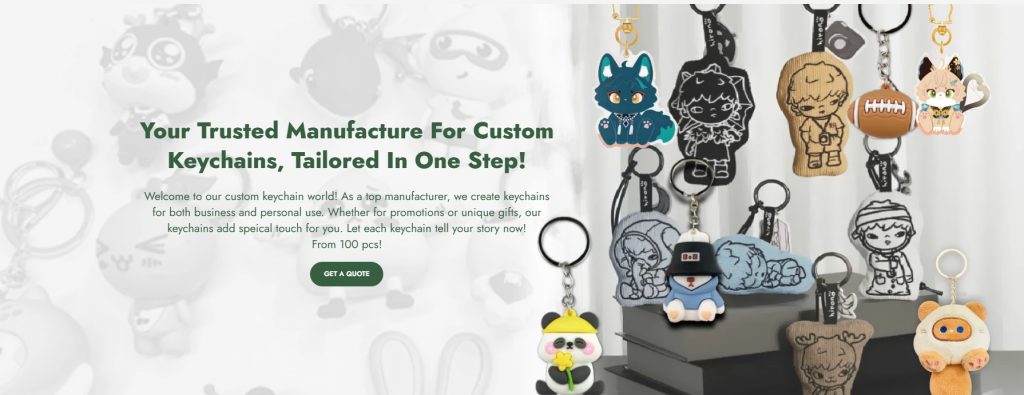
Here’s a pro tip for multi category sourcing. If you send metal, acrylic, and plush to different suppliers, you’ll likely face delayed deliveries and messy cross material assembly communication. That’s why many bulk buyers prefer a one stop manufacturer like Implementer. They support low MOQs starting from just 100 pieces. And they handle metal, plush, acrylic, PVC, and embroidered tags all in one place. Tailored In One Step. You get full control and production tracking under one system.
How to Choose Keychain Materials for Your Sourcing Projects
Picking the best keychain materials isn’t just about looks. In B2B sourcing, you need to think about three real world factors together.
1. Sourcing Budgets
Your budget directly sets your material ceiling.
If your target cost is under $0.50 per unit, and you need tens of thousands for a trade show, your only logical choices are iron, aluminum, or thin acrylic.
If you have $1.50 to $3.00 per unit, go with zinc alloy or plush fabric without hesitation. They instantly lift the perceived value for your customers.
Before you calculate bulk costs, check out the MOQ and tiered pricing strategies at wholesale custom keychains. That will help you lock in a safe bottom price.
2. Safety Rules and Compliance
When your bulk order goes through international customs, if chemical content exceeds limits, the whole shipment gets seized and destroyed. All metal materials must comply with US ASTM F963 and EU REACH regulations. Use eco friendly electroplating baths. That means no lead, no nickel on the surface, so no skin allergies.
Especially for mixed material projects. The sourcing manager has to watch how metal parts and fabric react with each other. Imagine metal accessories corroding in a hot, humid shipping container. The leaking metal oxide is like a drop of black ink on a white shirt. It will instantly stain the surrounding fabric.
So before mass production, align the rust prevention and anti corrosion parameters of your metal parts with the safety standards required for customization options in plush toy manufacturing. That’s your golden step to avoid cross contamination during ocean freight.
3. Which Material Is Most Popular
Popularity really depends on your target audience.
Acrylic and zinc alloy are the top two most loved materials worldwide, year after year.
Acrylic rules the Gen Z and anime gaming retail space. No mold fees and full color printing are huge wins. Zinc alloy? That heavy, premium feel dominates traditional business sectors like automotive, real estate, and finance.
And lately, with the rise of high street fashion, embroidered tags and plush fabrics are grabbing serious market share in apparel and bag accessories.
Keychain Materials FAQ for Sourcing Managers
Q1: What metal are keychains usually made of?
A: In global commercial bulk production, the main body is usually Zinc Alloy. It gives you the best value for mold cost and shaping ability. The split ring that actually holds your keys? That’s typically made of high carbon steel or stainless steel for springiness. If you’re shopping at low end wholesale markets, most cheap keychains are made of Iron. But those will rust easily in humid areas.
Q2: What are those fabric keychains called?
A: In factory terms, those long, stiff fabric keychains with stitched edges, often hanging from motorcycle keys, are officially called Embroidered Keychains. Overseas, many people call them Flight Tags. The other type, soft, squishy, filled with PP cotton, are officially Plush Keychains.
Q3: What makes a keychain high quality?
A: High quality depends on three strict standards.
First, plating thickness. Good bulk orders must pass at least a 24 hour salt spray test. Thick enough plating prevents rust during ocean shipping.
Second, edge beveling. The edges of metal or acrylic must be polished by vibration tumbler. No sharp burrs.
Third, oxidation prevention. Before assembly and packing, metal parts go through strict chemical degreasing and drying. Factories must thoroughly clean metal keychains to remove all industrial residue. That’s the golden QC step to ensure mirror like shine after crossing the Pacific.
Q4: What keychains sell the most?
A: It completely depends on the sales channel. In retail and pop culture merch, custom acrylic keychains are the global sales king for independent stores. No mold fees and super fast turnaround. In the corporate bulk world, zinc alloy die cast keychains dominate the RFQ lists for automotive and real estate industries.