
How to Customize Character Plush for Brand Mascots
Brand mascots are widely used to show a company’s personality, values and image, you know, even if it’s not always said out loud. In today’s competitive market, many businesses are turning to customized character plush, so these mascots feel more “alive” in a hands-on, engaging way. Customized plush mascots mix creativity, emotional pull and promotional value. Whether it’s advertising campaigns, merchandise sales giveaways, or even event promotions, character plush toys help brands make a lasting impression on customers of all ages, from kids to adults.

Why Brands Choose Customized Character Plush
Character plush mascots give companies a special, more personal way to connect with audiences, beyond the usual advertising routine. Compared with digital ads or printed stuff, plush toys create a physical kind of interaction, and that tends to build a stronger emotional link with the brand.
One of the main advantages is brand recognition. A well-made plush mascot becomes instantly noticeable, and helps customers remember the company faster. Plush mascots also bring in a vibe of friendliness and warmth, so the brand looks more approachable, instead of distant.
Also, custom plush toys can spark more social sharing. People often snap photos and post little videos with their mascot plushies on social media, and that spreads brand visibility in a pretty natural, organic manner.

Key Features in Character Plush Customization
Several key features play a critical role in ensuring that custom character plush capture attention, convey personality, and leave a lasting impression.
1. Character Design and Appearance
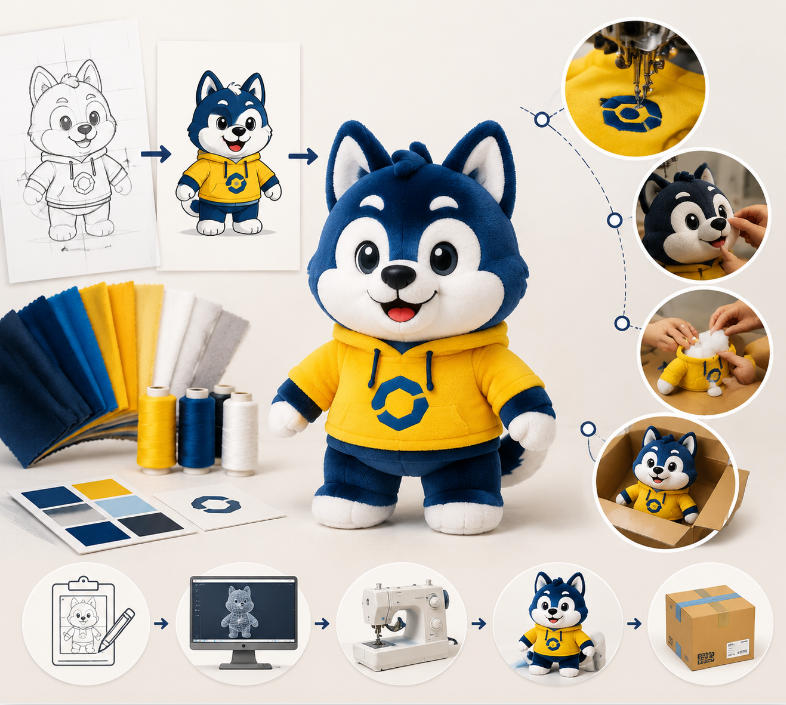
The design of a plush character is the foundation of successful customization for brand mascots.
| Customization Aspect | Description | Importance for Brand Mascots | Customization Methods |
| Facial Expression Design | Adjusting eyes, eyebrows, mouth shapes, and expressions to create specific emotions and personality traits. | Helps audiences emotionally connect with the mascot and improves memorability. | Embroidery, printed facial details, 3D eye attachments |
| Color Customization | Matching mascot colors with brand identity and official brand palettes. | Strengthens brand recognition and visual consistency across marketing materials. | Fabric dyeing, digital printing, color-matching techniques |
| Body Shape and Proportions | Designing the mascot’s body size, head-to-body ratio, and overall silhouette. | Creates a unique and recognizable appearance that reflects the mascot’s personality. | Pattern engineering, foam shaping, custom sewing templates |
| Clothing and Accessories | Adding branded outfits, uniforms, hats, scarves, or themed accessories. | Enhances storytelling and reinforces the brand’s industry or campaign theme. | Custom fabric sewing, embroidery, detachable accessories |
| Logo Integration | Incorporating company logos into the mascot design. | Improves direct brand association and promotional visibility. | Embroidered logos, heat transfer printing, woven labels |
| Hairstyle and Special Features | Customizing hair, ears, tails, wings, or other unique character elements. | Makes the mascot visually distinctive and easier to recognize. | Faux fur attachment, sculpted plush components, layered fabrics |
| Pose and Posture Design | Creating standing, sitting, or action-oriented mascot positions. | Adds personality and supports different display or promotional uses. | Internal support structures, weighted bases, flexible joints |
| Character Personality Representation | Reflecting brand values such as friendliness, innovation, energy, or reliability through design. | Strengthens emotional branding and audience engagement. | Expression shaping, costume styling, symbolic design elements |
| Seasonal or Limited Edition Variations | Modifying mascot appearances for holidays, anniversaries, or special campaigns. | Encourages customer interest, collectibility, and repeat engagement. | Themed costumes, special color editions, event-based accessories |
2. Fabric and Material Selection
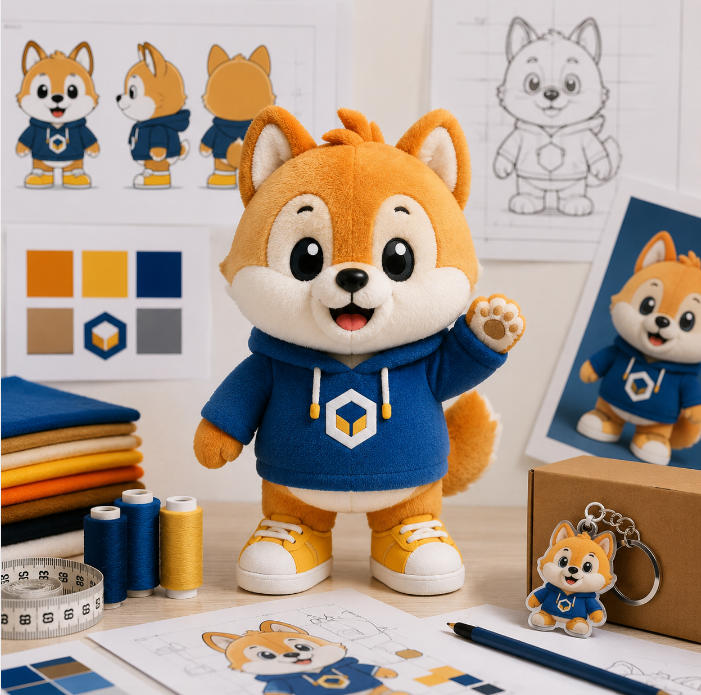
Material choice of a plush mascot directly influences both the aesthetic appeal and tactile experience .
The following chart provides fabric and material selection in customizing character plush for brand mascots.
| Fabric or Material Type | Characteristics | Benefits for Brand Mascots | Common Applications |
| Short Plush Fabric | Smooth, soft, and durable plush fabric with short fibers. | Provides a clean appearance and maintains shape well over time. | Standard mascot plush toys, promotional merchandise |
| Velvet Plush | Soft texture with a slightly glossy surface. | Creates a premium and luxurious look for high-end brand mascots. | Corporate gifts, collector mascot plush |
| Crystal Super Soft Fabric | Extremely soft and smooth material with excellent comfort. | Enhances tactile appeal and customer interaction. | Children’s mascots, retail plush collections |
| Fleece Fabric | Lightweight, warm, and flexible material. | Offers comfort and durability while remaining cost-effective. | Event giveaways, casual promotional plush |
| Faux Fur Material | Long, fluffy fibers that imitate animal fur. | Adds realism and visual texture to animal-based mascots. | Animal mascots, fantasy characters |
| Cotton Filling | Soft internal stuffing material with good resilience. | Improves plush comfort and maintains balanced shape. | Standard plush stuffing for all mascot sizes |
| PP Cotton Filling | Lightweight synthetic stuffing with high elasticity. | Enhances softness and shape retention after repeated use. | Commercial mascot plush production |
| Recycled Polyester Fabric | Eco-friendly material produced from recycled plastics. | Supports sustainable branding and environmentally conscious marketing. | Eco-themed mascot campaigns, green branding projects |
| Embroidered Fabric Components | Decorative stitched details integrated into the plush surface. | Provides durable and premium-looking mascot details. | Eyes, logos, facial expressions, decorative patterns |
| Felt Material | Dense and firm fabric available in various colors. | Suitable for creating structured decorative elements and accessories. | Hats, badges, mascot clothing accessories |
| Waterproof Fabric | Moisture-resistant synthetic material. | Improves durability for outdoor or event-use mascots. | Outdoor promotional mascots, sports event plush |
| Memory Foam Components | Soft foam that returns to its original shape after pressure. | Enhances comfort and creates premium plush experiences. | Luxury mascot plush toys, cushion-style mascots |
| Biodegradable Materials | Environmentally friendly materials designed to decompose naturally. | Reduces environmental impact and improves sustainable brand image. | Eco-conscious promotional campaigns |
| Heat Transfer Printing Materials | Printable surfaces compatible with detailed graphics and logos. | Allows accurate reproduction of complex branding designs. | Limited-edition mascots, promotional graphics |
| Internal Support Materials | Structural inserts used to stabilize posture and shape. | Helps mascots maintain standing or sitting positions. | Large mascot plush, display mascots |

3. Size and Proportion Customization
The size of a plush mascot is critical to its function and marketing strategy.
| Size/Proportion Aspect | Description | Importance for Brand Mascots | Common Applications |
| Small Plush Sizes | Typically under 20 cm in height. | Ideal for giveaways, plush keychains, or collectible miniatures; encourages wide distribution and brand visibility. | Promotional gifts, event souvenirs, keychains |
| Medium Plush Sizes | Ranges from 20 cm to 50 cm. | Suitable for retail merchandise and regular consumer purchases; balances display presence and usability. | Store merchandise, fan collections, retail sales |
| Large Plush Sizes | Above 50 cm in height. | Creates visual impact at events, exhibitions, or storefronts; strengthens brand recognition and engagement. | Trade shows, store displays, event mascots |
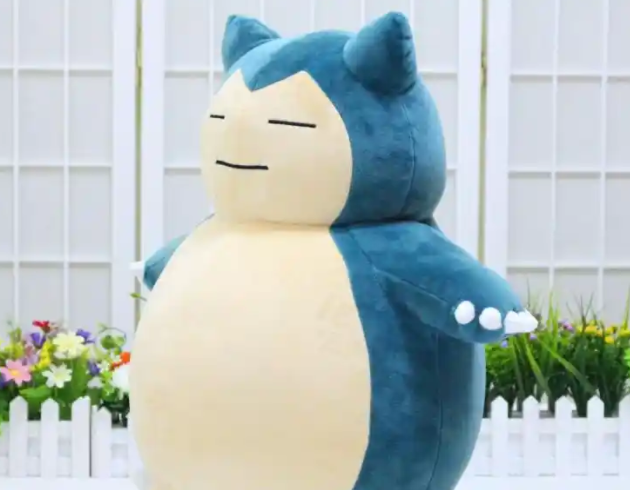
| Head-to-Body Proportion | Ratio of head size to body size. | Influences the mascot’s personality and visual appeal; exaggerated proportions often enhance cuteness and memorability. | Cute/friendly mascots, children-focused branding |
| Limb Proportion | Length and thickness of arms, legs, and tail. | Ensures natural posture and ease of handling; affects interactivity and durability. | Interactive plush, poseable mascots |
| Posture and Pose Customization | Standing, sitting, or action-oriented positions. | Improves display versatility and character personality; ensures stability and usability in different contexts. | Event mascots, display units, collector’s editions |
| Weighted Base/Structure | Additional internal support or weight distribution. | Maintains upright posture for larger or more complex mascots; prevents tipping or deformation. | Retail display mascots, large promotional plush |
| Scaled Versions | Multiple size variations of the same character design. | Supports merchandising strategies, limited editions, and collectible series; strengthens brand loyalty. | Collectible sets, seasonal campaigns, tiered product lines |
4. Embroidery and Surface Detailing
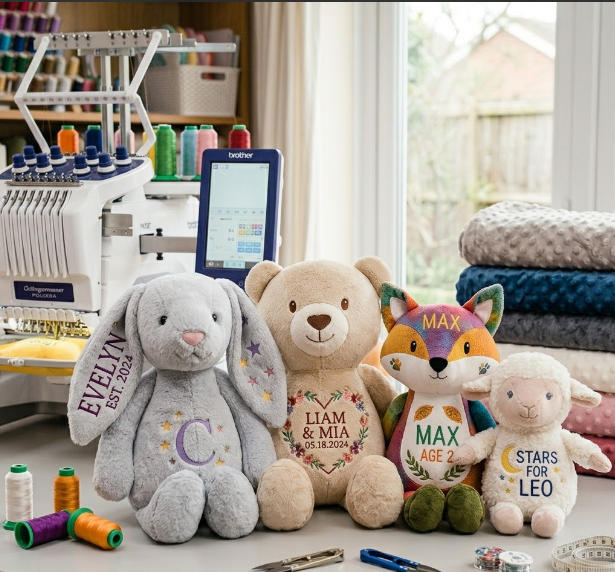
The details of a plush character bring it to life, not just by looks but also by feel. Custom embroidery is really widely used for facial features, logos, and other intricate parts, because it gives that high-quality finish that can handle everyday handling over time. On the other hand, printing techniques let you recreate complex color patterns and those subtle gradients, so the plush actually matches the original character design, pretty close. These surface details are essential; they help show personality, support brand identity, and boost visual appeal, so they really become the backbone of effective customization.
5. Functional Enhancements
Beyond the visual part, and the tactile one too, some plush mascots include functional upgrades that improve the whole interaction. That could be bendable limbs, a weighted bottom for stability, sound modules, or even LED lights. These kind of additions make the plush mascots more engaging, and can create memorable moments for customers, which then strengthens that emotional connection with the brand.
Benefits of Customized Brand Mascot Plush Toys
The impact of customized brand mascot plush toys extends beyond aesthetics, delivering measurable benefits for brand recognition, loyalty, and long-term marketing effectiveness.
1. Strengthening Emotional Connections
One of the biggest advantages of custom mascot plush toys is how they form an emotional bond between shoppers and the brand. The softness and touch based feel of plush toys naturally bring comfort and a sense of familiarity, so consumers often end up building a positive mental link with the company. With careful character design, expressive faces and, yes, a personality that feels familiar to real life, plush mascots can turn an abstract brand idea into something easier to remember and more approachable.
2. Enhancing Brand Visibility
Customized plush mascots create ongoing exposure across both real world settings and social spaces. When customers display, carry, or even simply photograph a mascot plush, the brand tends to show up more often, and not just once. That longer presence helps companies keep brand awareness moving forward, well beyond the first purchase moment or the initial promotional day. If the plush mascot is large, or visually striking, and gets used in exhibitions, stores, or public events, visibility goes up again, and it becomes a familiar brand token for people who are just passing by.
3. Broadening Audience Appeal
Plush toys can reach many groups, like children, teenagers, and also adults plus collectors. This wide fit allows brands to speak to multiple audience segments at the same time, making cross generational marketing easier. Kids can treat the mascot as a toy, while adults might present it as a collectible or a thoughtful gift, which stretches the mascot’s influence across different consumer kinds.
4. Encouraging Customer Interaction
Mascot plush toys they really push people towards engagement, and interaction. Whether it’s for social media campaigns, event activations, or in-store promotions, plush mascots seem to invite customers to take photos, share their moments online, and join in marketing activities. Somehow, this back and forth can improve brand recall, bring in organic content and help build a small feeling of community around both the mascot and the business behind it.
5. Supporting Marketing Longevity
Unlike throwaway promotional items, well made mascot plush toys hold up, they last longer. People often keep them for years, so the brand stays visible and the marketing message keeps showing up again. Limited edition versions or seasonal variations also add excitement, and even collectability, so customers return to engage more and the long term brand loyalty gets stronger.
6. Versatility Across Industries
Customized mascot plush toys work well across many sectors, like retail, food and beverage, entertainment, health care, and learning spaces, and honestly the list goes on. They can be tweaked for promotions, merchandise sales, loyalty programs, or even event identity work, so they end up feeling like a really flexible marketing tool. In each case the approach supports the mascot in carrying the brand’s identity, values, and even its mood, to the people they want to reach.
Challenges in Customizing Character Plush for Brand Mascots
The following chart offers the main challenges concerning about customizing character plush, together with its impact and potential solutions.
| Challenge | Description | Impact on Brand Mascot Production | Solutions |
| Maintaining Design Accuracy | Translating digital can lead to discrepancies in color, proportion, or detail. | Inaccurate representation can reduce mascot recognizability and weaken brand identity. | Use precise prototyping, color matching tools, and multiple sample iterations. |
| Complex Shapes and Features | Characters with intricate details, unusual body shapes, or multiple accessories are difficult to sew and assemble. | Increases production time and cost; may compromise structural integrity. | Collaborate closely with experienced manufacturers; simplify elements where possible without losing character essence. |
| Balancing Quality and Cost | High-quality fabrics, detailed embroidery, and functional enhancements raise production costs. | Overbudget production can reduce profitability; low-quality products may damage brand image. | Optimize material selection, use efficient production techniques, and prioritize features based on marketing goals. |
| Safety Compliance | Mascots, especially for children, must comply with international toy safety standards, including choking hazards, toxic materials, and flammability. | Non-compliance can lead to legal issues, recalls, and reputational damage. | Work with certified manufacturers, conduct safety testing, and use safe materials. |
| Color Consistency | Achieving consistent colors between digital designs, fabrics, and embroidery threads is challenging. | Variations in color can affect brand recognition and visual consistency. | Use standardized color codes, pre-production samples, and approved fabric and thread sources. |
| Durability vs. Softness | Ensuring mascots are soft and cuddly while maintaining durability for handling and display is a delicate balance. | Plush toys that wear out quickly reduce marketing effectiveness and customer satisfaction. | Select appropriate fabrics, reinforce stress points, and test prototypes under real-use conditions. |
| Production Timeline | Custom plush production, especially for detailed or large mascots, can take longer than standard merchandise. | Delays may affect campaign schedules or event launches. | Plan production timelines early, allow buffer periods, and maintain clear communication with manufacturers. |
| Limited Edition or Seasonal Variations | Creating special versions for holidays or promotions adds complexity to design and manufacturing. | Increases costs and logistical challenges; potential for production errors. | Streamline design changes, use modular accessories, and prioritize pre-planning for seasonal launches. |
| Scaling for Different Sizes | Maintaining proportion, character integrity, and functionality across multiple plush sizes is difficult. | Poor scaling can distort mascot appearance and reduce appeal. | Use precise pattern grading and prototyping for each size variation. |
Final Words
Customized character plush toys have turned out to be an efficient tool for current brand marketing. When companies combine creative design, emotional engagement, and promotional functionality together, plush mascots do help strengthen brand identity and improve customer loyalty a lot.