
Custom Plush Toys Based on Book Characters: Bring Literature to Life
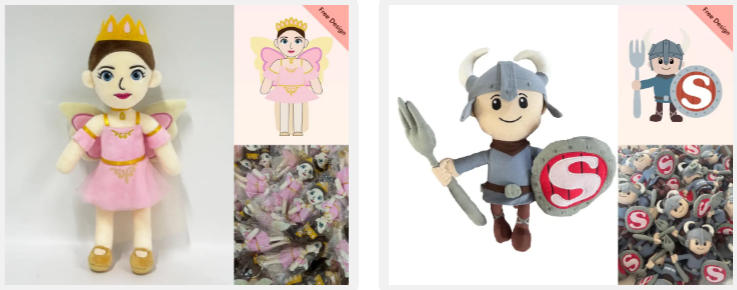
Custom plush toys based on book characters have become a powerful way to bring stories into real life, because readers get something tangible to hold onto that is connected to the scenes they love. When beloved characters get translated into soft, huggable companions, these plush toys do more than sit on a shelf. They work as collectibles, but they also boost storytelling, make reading more engaging, and strengthen brand recognition for publishers and authors. From children’s picture books to fantasy novels, custom book character plush toys feel like a creative bridge, extending the reach of a story past the pages.
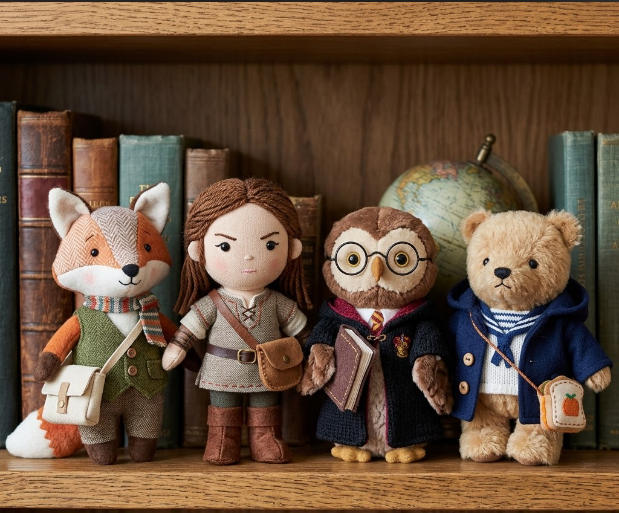
The Growing Popularity of Book Character Plush Toys
Books often create memorable characters, and readers build real emotional ties to them. With custom plush toys, fans can meet those characters in a physical form, which makes the idea great for kids and for adult collectors too. And since publishing companies keep looking for fresh methods to reach people, custom plush toys have turned into a useful option for improving brand visibility and reader loyalty, without being overly complicated.
For children’s books in particular, plush toys of the story characters can support reading engagement, imaginative play and emotional development. Young readers often like re-enacting scenes from their favorite stories, or they make new adventures with their plush friends, in the same evening. It feels a bit more cozy when the character is there, so attention stays longer and feelings get a chance to be recognized.
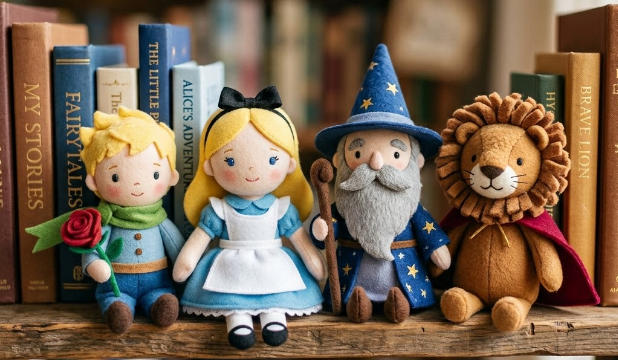
Why Publishers and Authors Choose Custom Plush Toys
As competition within the publishing industry keeps growing, custom plush toys have been used more often as useful instruments for branding, audience involvement, and steady revenue inflow.
1. Strengthening Emotional Connections with Readers
One of the main reasons publishers and authors put money into custom plush toys is their ability to form stronger affective links between readers and book characters. Readers frequently build solid attachments to memorable personalities, especially in children stories. A plush toy lets fans interact with their favorite characters in a tangible, almost comforting form, so the reading experience feels more direct and unforgettable.
For young children, cuddling and playing with a plush version of a cherished character can strengthen warm feelings tied to reading. This emotional tether often boosts curiosity about a book series and supports repeat engagement with the plot.
2. Expanding Book Branding Beyond Print
Books today are not really limited to printed pages anymore. Publishers keep looking for ways to turn a proven literary story into something broader, a wider brand. Custom plush toys feel like a practical path, they bring book characters into everyday spaces, homes, schools, bookstores, and public events too, sometimes even where people are just passing by.
When readers show up with those character plush toys, or just carry them around , awareness tends to rise in a natural way. That extra exposure makes the book title stickier in people’s minds and it can pull in new readers. In some cases someone meets the character through the merchandise first, and then decides to pick up the book later.
3. Creating Additional Revenue Opportunities
Merchandise sales give publishers and authors extra income that sits beside the regular book market. Custom plush toys can be offered through bookstores, online storefronts, educational suppliers, literary festivals, and gift shops. For well known book series, the character plush toys often become quite wanted collectibles, and they can keep generating steady sales along with continued book purchases.
This diversification of revenue can be especially beneficial for independent authors and smaller publishing companies, looking for extra ways to monetize their intellectual property beyond the traditional book sales. It can feel like a useful pivot when audiences overlap, even if the formats stay different.
4. Enhancing Educational and Literacy Programs
Custom plush toys are often used as educational tools in classrooms, libraries ,and various reading programs. Teachers may bring character plush toys into storytelling moments, reading circles ,and literacy campaigns so learning feels more inviting for children.
When kids already recognize the character, they tend to focus faster, and they are more willing to join in during reading sessions. When the learning environment becomes more interactive, plush toys can support stronger reading interest and comprehension outcomes.

5. Supporting Marketing and Promotional Campaigns
Book launches, author appearances, and general literary events can work really well if you want to show off custom plush toys in a way people actually notice. Character inspired merchandise tends to draw visitors, help create a vivid experience, and gives them a reason to share on social media.
A special plush toy, more often than not, becomes a quick conversation starter, so the book feels less like just another title and more like something memorable in a crowded marketplace. Publishers can also lean on plush toys as promotional gifts , contest awards , or as part of limited edition book bundles, which usually boosts curiosity and helps move unit sales along.
6. Building Long-Term Fan Communities
Successful books tend to grow committed fan communities that reach way beyond the initial publication. Custom plush toys can help feed those groups, because they give readers some tangible badge of belonging, to the story. Collectors, fans, and regular readers often swap photos, write reviews, and post imaginative pieces with character plush toys, which keeps attention alive long after the release date. For authors, this constant interaction can reinforce reader loyalty and also support upcoming book launches within the same series, or the wider literary world.
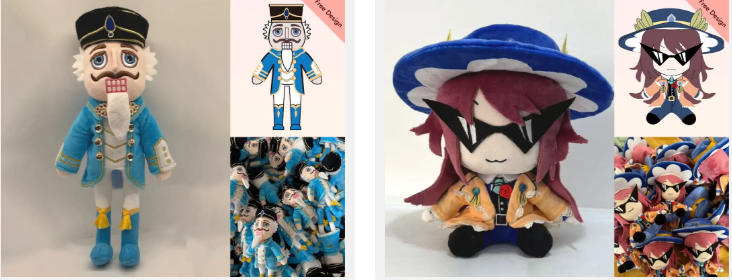
Applications of Custom Book Character Plush Toys
| Application Area | How Plush Toys are Used | Benefits |
| Children’s Reading Programs | Used during storytelling sessions and reading activities | Encourages reading engagement and improves literacy skills |
| Educational Settings | Integrated into classroom lessons and interactive learning activities | Makes learning more enjoyable and memorable |
| Library Events | Featured in book-themed displays, reading challenges, and children’s programs | Increases participation and interest in library activities |
| Bookstore Merchandise | Sold alongside books and displayed in promotional sections | Enhances book sales and brand visibility |
| Author Events and Book Launches | Offered as promotional items, gifts, or exclusive merchandise | Creates memorable experiences and attracts attendees |
| Literary Festivals | Sold or distributed as souvenirs connected to featured books | Strengthens audience engagement and event branding |
| Collector’s Items | Produced as limited-edition or special-release merchandise | Appeals to fans and generates long-term value |
| Subscription Book Boxes | Included in themed book subscription packages | Adds perceived value and excitement for subscribers |
| School Incentive Programs | Awarded as reading achievement prizes | Motivates students to read and participate in literacy programs |
| Character Licensing Programs | Licensed to retailers and distributors for wider merchandise sales | Expands brand reach and revenue streams |
| Special Edition Book Bundles | Packaged together with books as premium products | Enhances product appeal and customer satisfaction |
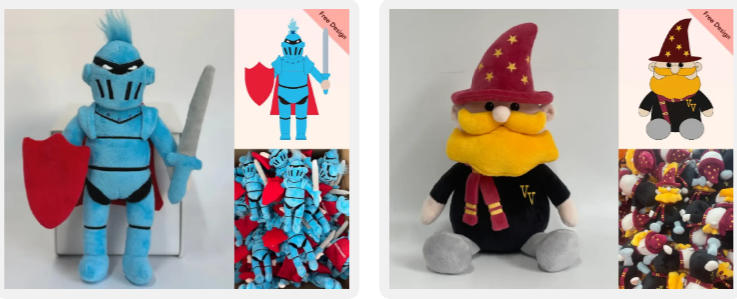
The Process of Creating Custom Book Character Plush Toys
Creating custom plush toys based on book characters is this pretty fascinating mix of imagination, creativity, craftsmanship, and precision. Each step of the process helps make sure the end result doesn’t just look like the character, but also stays safe, tough, and visually pleasing.
1. Conceptualization and Character Analysis
The first step in creating a custom book character plush toy is conceptualization. Designers really sit down and observe the character’s overall look, personality, and where they appear in the story. Usually this means looking closely at the original illustrations, reading the character description, and then collecting any extra references from the book series. The goal is to pull out the traits that let people recognize the character immediately, and also feel that same affection readers have. Special focus goes to the distinctive features, like the clothing style, the facial expression, the color choices, and even those small accessories, because those will later guide the actual plush design.
2. Sketching and Preliminary Design
After the character analysis is done, the designers begin those early, preliminary sketches and they look at them while things are still fluid. These drawings give a visual sense of how the character will end up inside a plush toy. During this part, people pay attention to proportions, the overall scale, and also how to simplify those more intricate bits so the toy can actually be manufactured. The sketches, in many cases, end up becoming a sort of working map, used for conversations with authors , publishers, or clients , so everyone can confirm that the final product matches expectations.
3. Material Selection
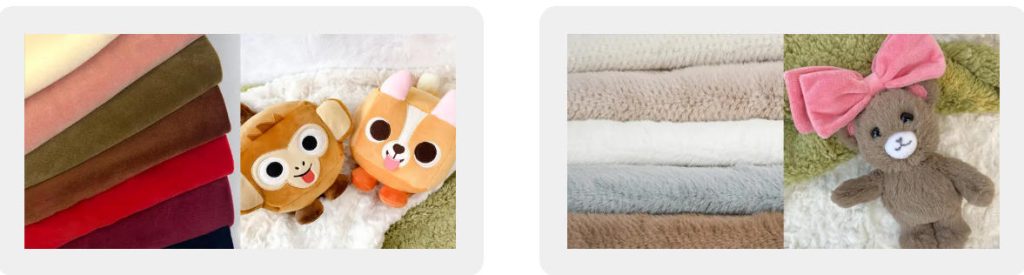
Choosing materials is a key step of custom plushies because it directly shapes the toy’s overall look, its surface feel, safety, and how long it lasts. Designers pick fabrics, threads, stuffing components, and extra accessories based on the character’s design and the intended audience. For kids’ toys, soft fabrics, hypoallergenic options, and fabrics that can be washed are usually the first priorities. Colors are also matched against the original illustrations, to keep the visual identity consistent with the book character.
4. Pattern Making
After the design is approved, a pattern is made up so it can guide the cutting and then the assembling of the plush toy. In many cases, patterns are created from paper or a digital template, with each single segment mapped out, the body, the limbs, and then the extra bits like accessories. Getting the pattern right is crucial, because if the precision is off, all the pieces might not line up, and the completed item may not keep the character’s planned silhouette and its proportions.
5. Prototype Development
The first physical sample is produced using the pattern along with the selected materials. This initial prototype works as a real world model to judge how the toy looks, the right proportions, and the construction quality. Revisions are often needed, to sharpen small details, boost toughness, and confirm it is safe for the audience it is intended for. During this phase, input from authors, publishers, or clients matters a lot, since it helps lock in the final design.
6. Detailing and Embroidery
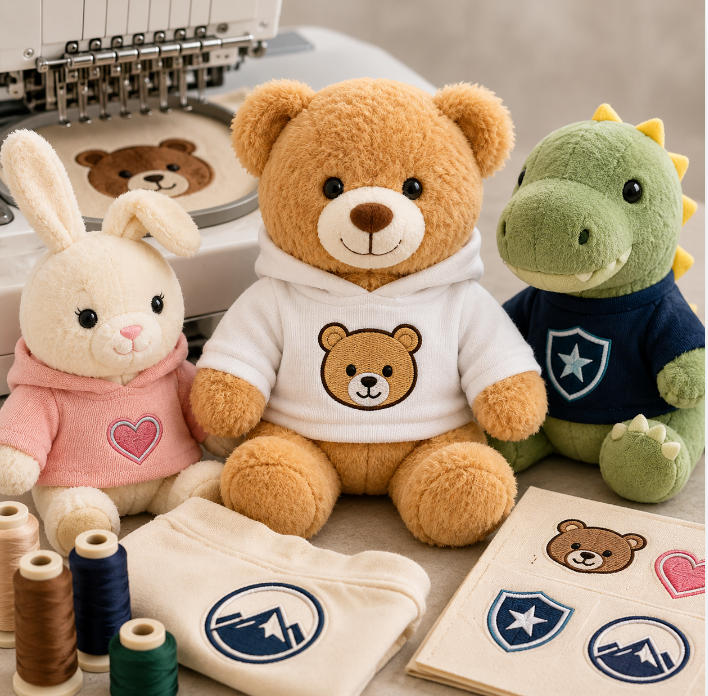
Once the prototype is approved, more details are put in place to sharpen the character’s resemblance. Facial features patterns, clothing, and accessories might be embroidered, applied, or stitched onto the plush. High quality detailing and embroidery helps the plush toy be instantly identifiable and pleasing to the eye. This stage can also include additional touches like jointed limbs, or tiny sound modules, depending on the design wants and overall requirements.
7. Mass Production
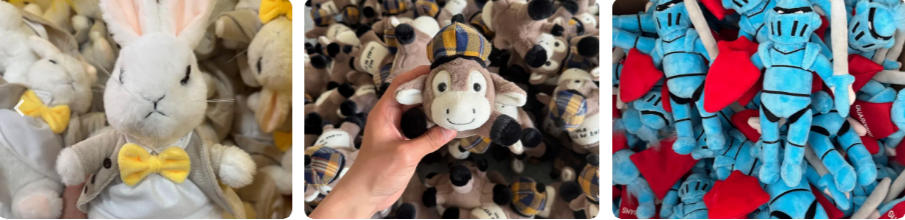
After the artwork is finalized, the plush toy moves into mass production. Experienced manufacturers cut the fabrics using the approved patterns, then assemble everything, add the fill, and complete the look with embroidery or small add-ons. quality control checks happen in several rounds, to keep each unit consistent and aligned with safety standards. Mass production of plush toys also depends on careful coordination so timelines stay on track , while materials are sourced properly and labor is scheduled.
8. Quality Inspection and Safety Testing
Before distribution, every batch of plush toys goes through pretty thorough quality inspection and safety testing. The toys get reviewed for stitching strength, seam integrity, colorfastness, and also for how well small parts are attached, so nothing weak slips loose later. Safety standards for custom plushies, especially for children’s items, are followed without compromise , which helps ensure the plush stays free from choking hazards toxic materials, or other possible risks.
9. Packaging and Distribution
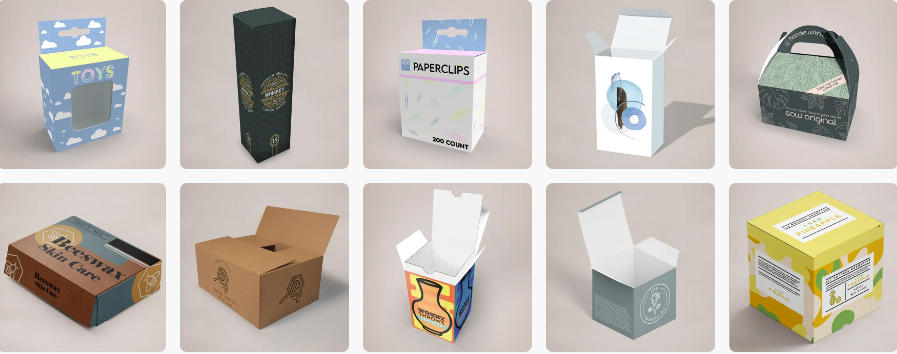
The last stage is packaging the plush toys for retail sale or for promotional use. The packaging is frequently made to match the book, or the brand, so the overall look feels unified and pleasing to the eye. After that, the toys are sent to bookstores, online retailers, schools, libraries , and other outlets, already set to bring those favorite book characters into the hands of readers and fans.
Challenges and Potential Solutions in Creating Custom Plush Toys Based on Book Characters
| Challenge | Description | Potential Solution |
| Complex Character Designs | Book characters may have intricate costumes, unusual proportions, or highly detailed features that are difficult to replicate in plush form. | Simplify non-essential details while preserving the character’s most recognizable features and personality traits. |
| Material Constraints | Certain textures, colors, or patterns from illustrations may not be available in suitable plush materials. | Use custom fabric printing, embroidery, and applique techniques to recreate distinctive visual elements. |
| Safety Compliance Requirements | Plush toys intended for children must meet strict safety regulations regarding materials and construction. | Select certified non-toxic materials and conduct thorough safety testing before production. |
| High Development Costs | Custom designs often require extensive prototyping, specialized materials, and low-volume production runs. | Optimize designs for manufacturability and work with experienced plush manufacturers to control costs. |
| Intellectual Property and Licensing | Producing merchandise based on book characters requires proper permissions and licensing agreements. | Establish clear licensing contracts and maintain regular communication with rights holders. |
| Preserving Character Personality | Physical toys may fail to capture the emotional traits that make characters appealing in books. | Use facial expressions, posture, and signature accessories to reflect the character’s personality. |
| Production Consistency | Maintaining the same appearance and quality across large production batches can be challenging. | Implement strict quality control procedures and standardized manufacturing specifications. |
| Durability Concerns | Frequent handling by children can cause wear, seam failure, or loss of decorative elements. | Reinforce stitching, use durable fabrics, and conduct durability testing during development. |
| Fan Expectations | Readers and collectors often have strong emotional attachments to book characters and expect accuracy. | Gather feedback from focus groups, fans, or licensors before finalizing the design. |
| Small-Part Safety Risks | Accessories and decorative components may present choking hazards for young children. | Replace detachable parts with embroidered or securely sewn alternatives whenever possible. |
| Demand Forecasting | Predicting market demand for character plush toys can be difficult, especially for new book releases. | Start with limited production runs and use pre-orders or market testing to assess demand. |
| Sustainability Concerns | Consumers increasingly prefer environmentally responsible products. | Use recycled fabrics, eco-friendly stuffing materials, and sustainable packaging solutions. |
| Incorporating Interactive Features | Sound modules or electronic elements can increase complexity and production costs. | Carefully evaluate the value of interactive features and use reliable, child-safe components when necessary. |
| International Market Requirements | Different countries may have varying toy safety and labeling regulations. | Design products to meet major international standards and conduct region-specific compliance testing. |
Final Words
Custom plush toys based on book characters, make those beloved literary figures real, tangible companions you can hold, and it tends to deepen reader engagement in a way that feels more personal. If you combine imaginative design, solid manufacturing, and careful branding, you get plush characters that offer real value for authors, publishers, educators, and fans. As the demand for character-driven merchandise keeps increasing, these custom book character plush toys will keep working as a straightforward way to pull stories off the page and into readers’ hands.