
Do Running Socks Make a Difference? What Runners Should Know
Running takes a steady pounding on your feet and subjects them to friction. Socks are the first defense between your skin and your running shoes. Do running socks make a difference? Running socks can undoubtedly make a difference, but it really depends on the sock pattern and what you need. The difference is usually in terms of comfort, moisture management and a secure fit, rather than increased running speed or personal bests. If you know what running socks do, you will be able to select a solid option based on your habits and your needs.
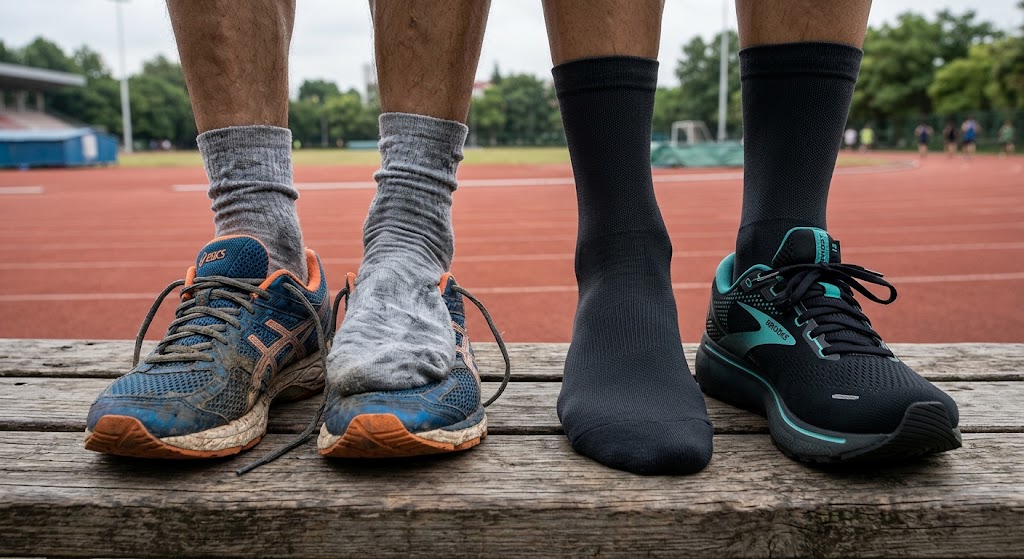
How Do Running Socks Make a Difference?
The major elements that running socks focus on to improve the running experience are generally three elements suited for sporting situations:
Moisture Management and Friction
Your feet sweat a lot while you run The moisture softens the skin and increases the friction between the sock and foot, which makes it more uncomfortable and more likely to blister. Choose fabrics that wick sweat away from you while you exercise. Most professional running socks are manufactured from synthetic fibers or high performance blends that draw moisture away from the skin and dry quickly, so feet don’t get too damp. But ordinary pure cotton socks are easy to absorb moisture and keep long time, which can increase the friction.
Fit, Seams, and Blister Risk
If the socks are too loose, the bunched up fabric will continue to scrape against the skin, wrinkle within the shoe or slip. Toe seams may stick out and irritate against toes. A good fit and reasonably flat seams will help reduce friction; you can also check out the blister prevention recommendations supplied by the American Academy of Dermatology. Good design can reduce the incidence of blisters, but no sock can provide 100% blister protection.
A good approach to see how your socks fit is to look at your feet after a run. If red markings, soreness around the heel or toes or fabric bunching under the arch happens again, this may suggest that the sock slid, bunched or generated localized pressure during exercise. Also, check the running shoes for fit, because socks are only one part of the “foot-shoe system.” If you keep getting the same hot place over and over, try a different sock size or construction and see if it helps.
Cushioning and Comfort
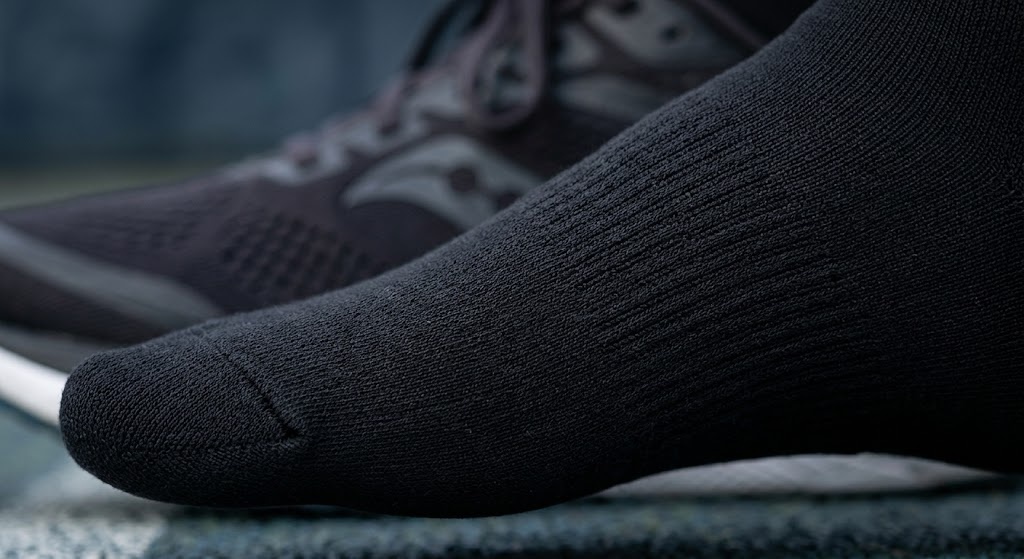
Adding more cushioning thickness in areas like the heel and forefoot can change how the shoe feels underfoot and soak up impact, but it also takes up space inside the shoe. Thicker isn’t always better. Think about the amount of cushioning, the volume of the shoe, your own preference and what you’ll be running on.
Running Socks vs. Regular Socks: What Is the Difference?
| Comparison Factor | Regular Everyday Socks | Running Socks |
| Fiber Composition and Fabric Structure | Determine Moisture Management | May stress sweat wicking, breathability and drying speed |
| Fit | Varies by sock size and type | Usually stays in place while working out and reduces wrinkles |
| Toe seams | Seam structure varies widely from product to product | Some types have flatter toe stitching. |
| Design cushioning | Uniform thickness or localized cushioning | Can select various thicknesses or localized cushioning patterns |
| Use scenarios | Everyday wear, could also be good for running | Selected for fit, comfort, and other running needs |
If your present running socks fit well, are comfortable and don’t give you frequent hot spots during or after a run, there’s no incentive to change them up. If you see damp fabric, a bunched up sock, sliding or repeated rubbing, first determine the likely cause before switching to different socks. If it’s humid then you might want to consider altering the type of fabric. If rubbing is your major concern, a better fit or a flatter toe box might be a higher priority.
Can You Run in Regular Athletic Socks?
Sometimes all you need for basic runs over short distances is a nice pair of athletic socks that fit properly and don’t slide or sweat too much. If you’re simply going to jog a little while, you don’t need to buy running socks. But the hotter the weather and the longer your run, the more crucial it is to critically assess material, seams, cushioning and fit.
What Should You Look for in Running Socks?
If you want to look for socks that are more appropriate for jogging then you can choose depending on various scenarios and your physical feedback:
Material and Moisture Management
What’s the greatest fabric? It is determined by how much you sweat, how fast it dries, and how it feels against your skin. The moisture management performance of different blends and synthetic fibers varies. So looking at the fabric composition is more useful than just looking at the name of the material. If you sweat easily, learning how different sock materials for sweaty feet handle moisture will help you make better sock selections for running and other intense sports.
Sock Thickness and Cushioning
If your running shoes are a good fit already, first think about whether thick socks are going to compress. If you are more concerned with cushioning underfoot, you can experiment with thickness, but don’t assume that thicker socks definitely avoid injury.
Sock Fit and Construction
For a given sock design and size, you may check the fit of the construction by a few key details: The heel should basically land right on the heel. There should not be any noticeable bunching of fabric in the toe area. The body of the sock should not wrinkle at the arch. When trying them on, if you feel compression, too much tightness or constant sliding, you should verify the size and style of the sock.
Sock Height and Secure Fit
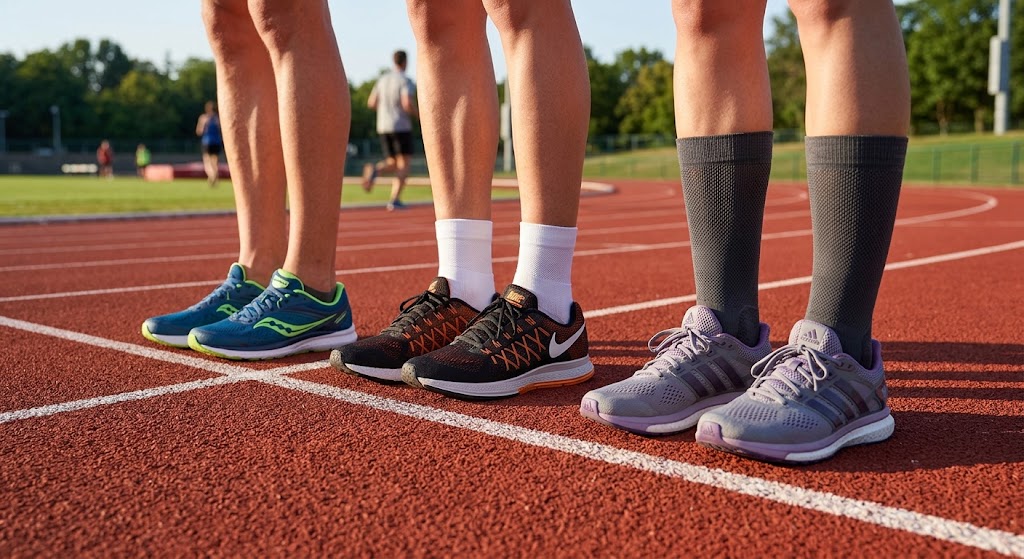
Popular styles include no-show socks, ankle socks, quarter socks and crew socks. The appropriate sock length will vary depending on the height of the shoe collar, how much ankle coverage you want and if the sock remains put during exercise. You can match a low-cut style with low-cut shoes, but a taller style gives you more coverage. There is no one length that is the best length for all runners and you do not need to match your sock height to your running abilities.
So, Are Running Socks Worth It?
Do running socks make a difference? For runners who are constantly wet, who slip easily, or who suffer from chafing, socks with a better fit, better materials, and better construction would be beneficial for wearing comfort. But if your existing sports socks are already doing their job, you probably don’t need to switch.
Custom athletic socks can be included as part of an organized team outfit or event merchandising for running clubs, sports teams and event organizers. Implementer offers a wide variety of possibilities, and can customize socks in various heights, materials, cushioning levels and styles to meet the objectives of the project. Teams and event organizers who want to learn more about the possibilities in bespoke sports socks should contact the company to discuss their specific demands.