
How Custom Size Affects Halloween Plush Toy Production
Halloween plush toys have become increasingly popular as seasonal decor, collectibles, promo items, and gifts. Even though the look, fabric, and character theme matter a lot, the toy’s size is just as important. Size customization touch most steps in Halloween plush toy production, including material selection, manufacturing techniques, controlling cost, and meeting packing needs.
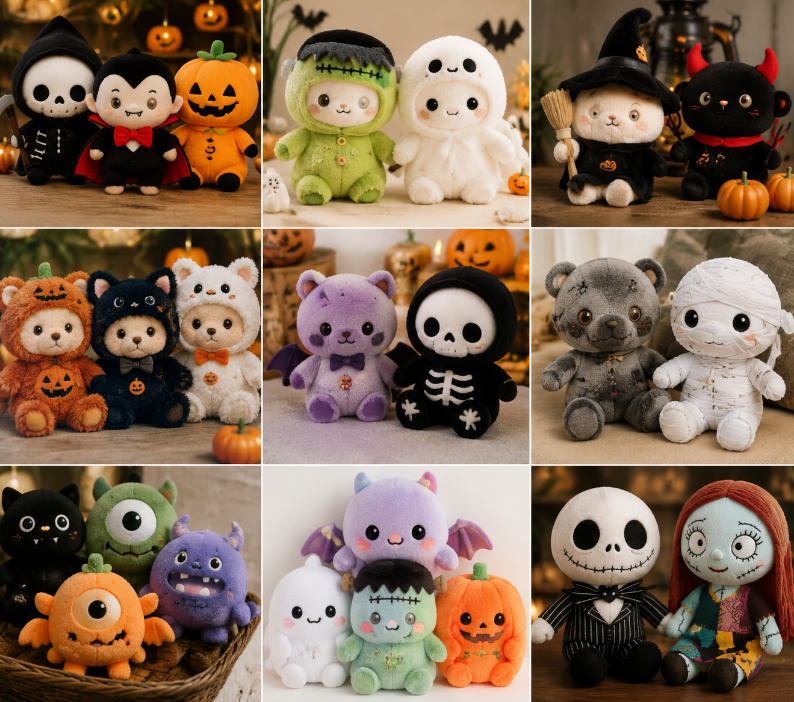
Why Custom Size in Halloween Plush Toy Design is Critical
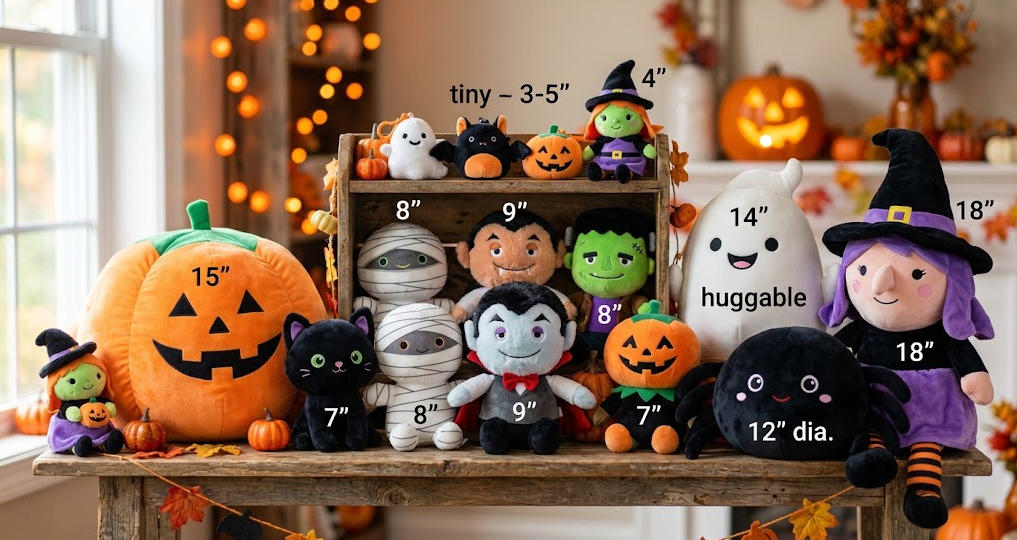
The overall size shapes how the plush looks and what it can be used for. A small pumpkin, ghost, witch, or monster plush can work as a keychain, a party favor, or a small collectible. Bigger plush figures tend to be better suited for home displays, shelf pieces, or other decoration uses.
When a manufacturer gets a custom size request for plush toys, the design team has to reshape the character. The goal is to keep the face and body from looking odd. With a larger plush, features like the eyes, the head shape, and the outfit details need extra care so nothing looks off. With a smaller plush, fine details often have to be reduced. Embroidery for the eyes, the facial mood, and the pattern on the clothes may need simpler forms, but the character should still be easy to recognize.
Size customization also influences the element choice of Halloween plush design. A large plush may hold richer additions, such as a witch hat, a cape, stitched markings, or extra attached decorations. Smaller versions usually need lighter parts and simpler structure. That helps them last longer and also supports faster, easier production.
Key Aspects of Halloween Plush Toy Production Affected by Custom Size
1. Material Consumption and Fabric Selection
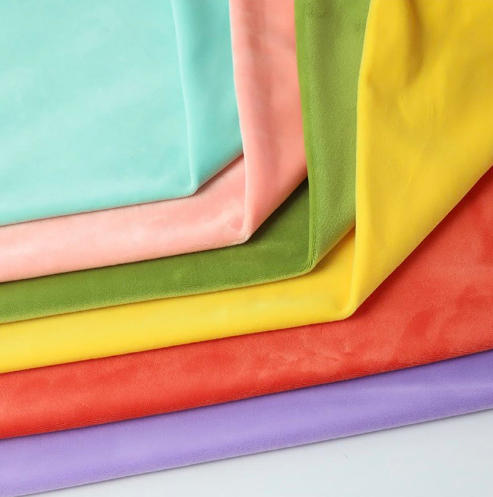
Custom size has a direct impact on the amount of material required for Halloween plush toy production.
| Custom Size Factor | Impact on Material Selection | Common Material Considerations |
| Large Plush Toy Size | Larger Halloween plush toys require materials with higher strength and durability to support increased weight and maintain shape. | Thick plush fabric, reinforced backing fabric, strong stitching thread, and high-resilience filling materials. |
| Small Plush Toy Size | Smaller plush toys need lightweight materials that allow precise cutting, sewing, and detailed decoration. | Short plush fabric, lightweight fleece, fine threads, and compact filling materials. |
| Oversized Decorative Plush Toys | Large display plush toys require materials that can maintain structure while providing a soft appearance. | Dense plush fabrics, supportive inner layers, shape-retaining stuffing, and reinforced internal components. |
| Miniature Collectible Plush Toys | Tiny designs require materials that can support detailed features without making the toy bulky. | Fine-texture fabrics, thin embroidery threads, small decorative materials, and lightweight stuffing. |
| Increased Surface Area | Larger sizes expose more fabric area, making appearance consistency and fabric quality more important. | Color-consistent plush fabrics, smooth textures, and defect-free material batches. |
| Complex Halloween Details | Size changes affect how accessories and decorative elements are attached. | Durable fabrics for hats, capes, wings, bows, embroidery materials, and secure attachment components. |
Selecting the right materials according to size helps manufacturers achieve the ideal balance between appearance, durability, safety, and production cost.
2. Manufacturing Processes
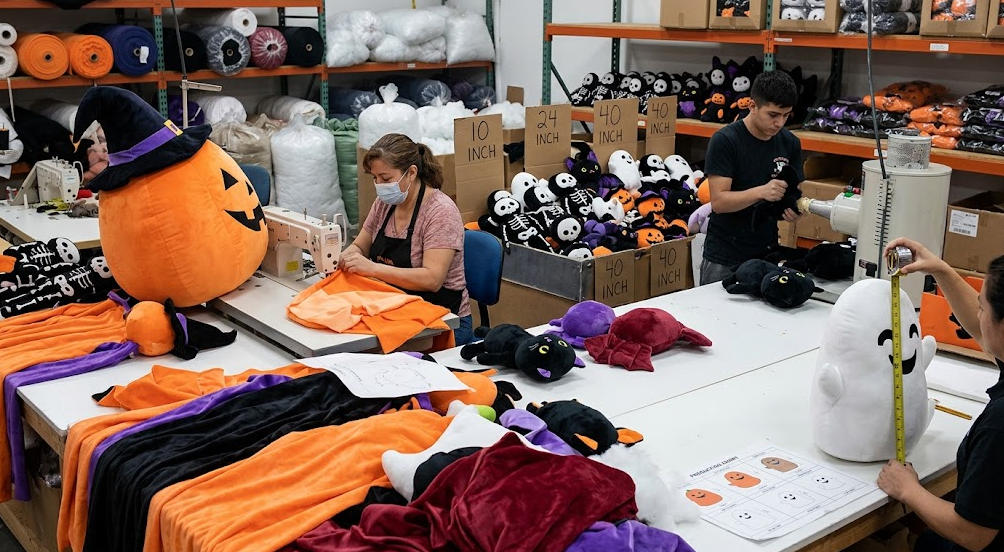
Custom size changes how the work is done from start to finish. It can affect the pattern layout, cutting steps, sewing order, stuffing work, and the final check. When the size shifts, the maker has to adjust templates and tweak the production plan.
For bigger Halloween plush toys, cutting needs larger patterns. Sewing also has to handle larger fabric panels. Extra stitch reinforcement may be needed so seams stay closed when the filling adds weight. Some large pieces also benefit from inner support so the toy keeps its form over time.
For smaller Halloween plush toys, the main issue is accuracy. Very small parts must be cut with tight measurements. Stitching has to be neat and steady to keep each toy consistent. Automated machines can struggle with tiny sections, so more hand work might be required.
Build time depends on size too. Big plush toys often take longer to put together. They use more material and usually need more sewing steps. Small toys can be faster, but they still need close attention to small details.
3. Filling and Shape Control
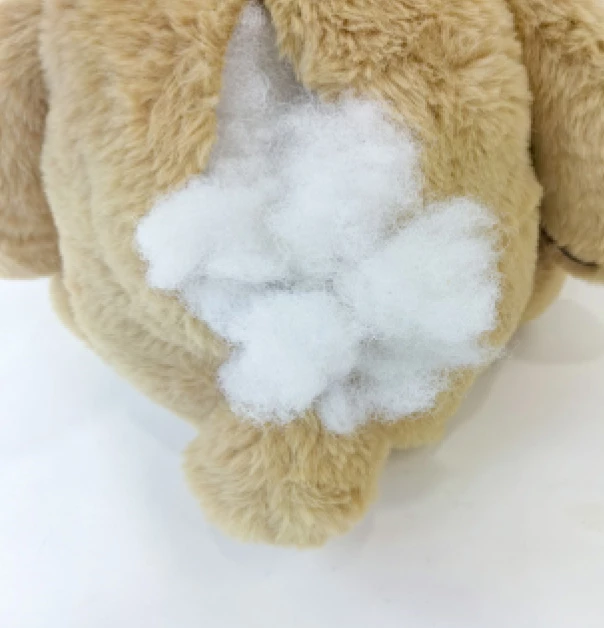
Filling material is another part that changes with custom size. A larger Halloween plush toy needs more stuffing to reach the right softness and overall shape. The amount of filling must be managed well. If it is not, the toy can end up with uneven surfaces, weak balance, or a bent shape.
Sizes also call for different filling methods. Large plush toys may need filling from more than one spot. This helps spread the stuffing evenly. After stuffing, extra shaping work and small adjustments may be needed to finish the look.
Small Halloween plush toys use less stuffing by default. Even so, control still matters. Too much stuffing can make a small toy feel stiff. Too little can make it sag or lose the intended form.
4. Production Costs
Custom size is a key driver of Halloween plush toy cost. Larger toys usually cost more. The reasons include more raw material, longer production time, bigger packaging, and extra shipping space.
Small toys do not always cost less. Some miniature designs need more careful work. They may require detailed embroidery and more complex assembly. If a small Halloween plush toy has fine accessories or extra decorative parts, cost can rise again.
Custom plush manufacturers usually calculate pricing based on multiple size-related factors, including:
| Size Factor | Impact on Production |
| Fabric usage | Larger sizes require more fabric and higher material costs |
| Filling quantity | Bigger toys need more stuffing materials |
| Labor time | Complex sizes may require additional sewing and assembly |
| Packaging | Oversized toys need larger boxes or protective packaging |
| Shipping | Larger products occupy more storage and transportation space |
| Design complexity | Small detailed toys may increase craftsmanship requirements |
5. Packaging and Transportation Considerations
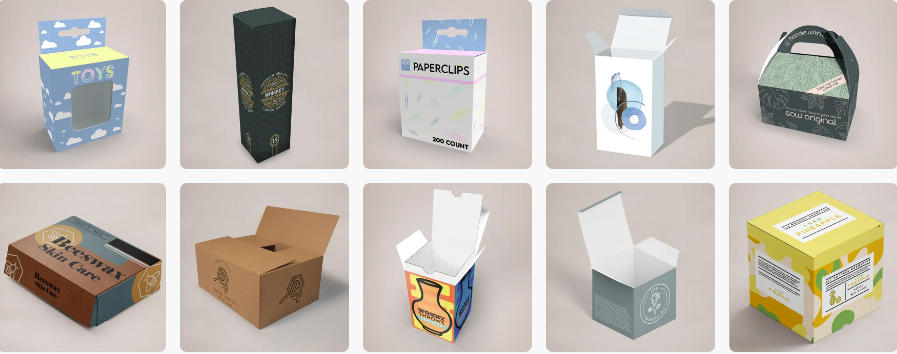
Size also affects packing and transport. The maker may need to redesign the packaging based on the toy’s dimensions. Small Halloween plush toys can often fit into tight packaging setups such as small boxes, plastic bags, or retail stands. That can make storage and shipping simpler.
Large Halloween plush toys need packaging that keeps their form while they are in transit. Some makers choose vacuum compression packaging for certain stuffed items, since it can lower the amount of space used. Very big toys may still need extra time to regain their shape once they are taken out.
Shoppers and stores also think about storage. Big Halloween items can stand out on shelves and in living rooms. Smaller pieces are easier to place and can be bought in higher quantities.
6. Market Applications
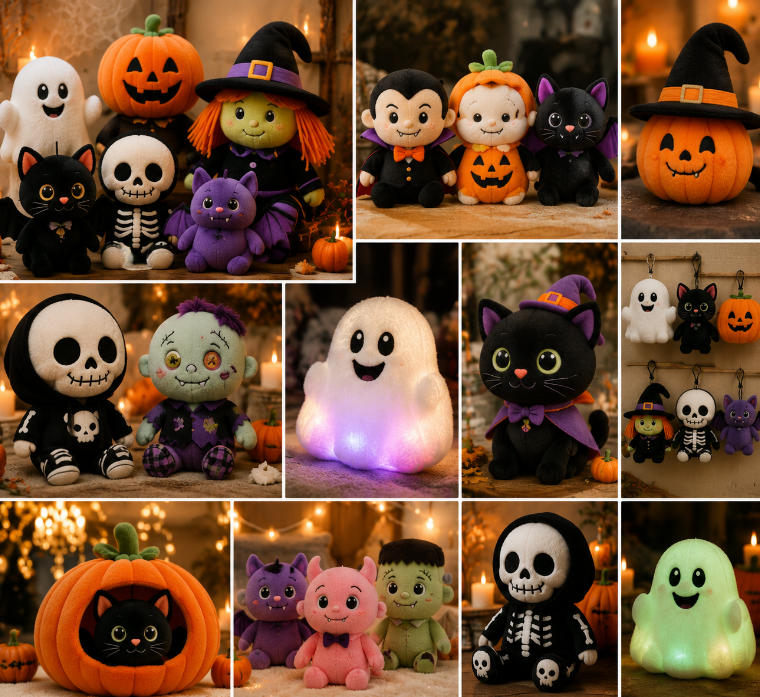
Markets do not all want the same sizes. For kids, Halloween plush toys are often made in medium sizes. They are simple to hold and made for play. For decorations in homes, workplaces, or party settings, larger plush items may be chosen. They tend to show up more clearly from a distance.
Sales promotions can steer the size choice too. When brands hand out plush toys as freebies, smaller sizes are common. They cost less and move around easier. Special collector items may go bigger. The goal is a more premium appearance on display.
Knowing who will buy the product helps makers set a size range. It also helps them balance how it looks, what it costs to build, and what buyers expect.
Quality Control Challenges Associated with Size Customization in Halloween Plush Toy Production
A well-managed quality control system helps customized Halloween plush toys maintain their intended design, durability and safety, even when sizes vary.
| Quality Control Challenge | Impact of Size Customization | Common Solutions |
| Dimension Accuracy | Customized sizes may result in variations between the approved design specifications and the final plush toy dimensions. | Use precise pattern templates, digital measurements, and prototype testing before mass production. |
| Shape and Proportion Control | Changing the size can affect the balance of the character design, causing uneven body proportions or distorted features. | Adjust patterns carefully and create size-specific design samples to maintain visual consistency. |
| Seam Strength and Durability | Larger plush toys experience more stress on seams, while smaller toys require precise stitching due to limited fabric space. | Apply reinforced stitching methods and perform seam strength inspections during production. |
| Filling Distribution | Oversized plush toys may have uneven stuffing, while small toys can become too stiff or lose their intended shape. | Control filling amounts, use standardized stuffing procedures, and conduct shape inspections after filling. |
| Fabric Cutting Accuracy | Different sizes require different cutting patterns, increasing the risk of incorrect fabric dimensions or assembly errors. | Use advanced cutting equipment and verify cutting templates before production runs. |
| Accessory Attachment | Halloween elements such as hats, bows, wings, pumpkins, and decorations may not fit properly after size changes. | Test accessory placement on samples and strengthen attachment points for safety and durability. |
| Facial Feature Alignment | Eyes, mouths, and embroidered details may appear misplaced when scaling plush toy designs. | Use precise positioning guides and inspect facial details during assembly. |
| Material Performance Changes | Different sizes may affect fabric texture, softness, and structural stability. | Select suitable materials for each size category and test fabric performance before production. |
| Color and Appearance Consistency | Larger surface areas can make color differences or fabric defects more noticeable. | Perform fabric inspection and maintain consistent material batches during manufacturing. |
| Packaging Compatibility | Custom-sized plush toys may not fit standard packaging solutions, increasing the risk of deformation. | Design size-specific packaging and test compression or transportation conditions. |
| Safety Compliance | Size changes may affect small parts, stuffing security, and overall toy safety requirements. | Conduct safety tests, including pull tests, seam checks, and material inspections. |
| Mass Production Consistency | Producing multiple custom sizes increases the possibility of variation between batches. | Establish strict quality standards, production guidelines, and regular inspection procedures. |
Final Thoughts
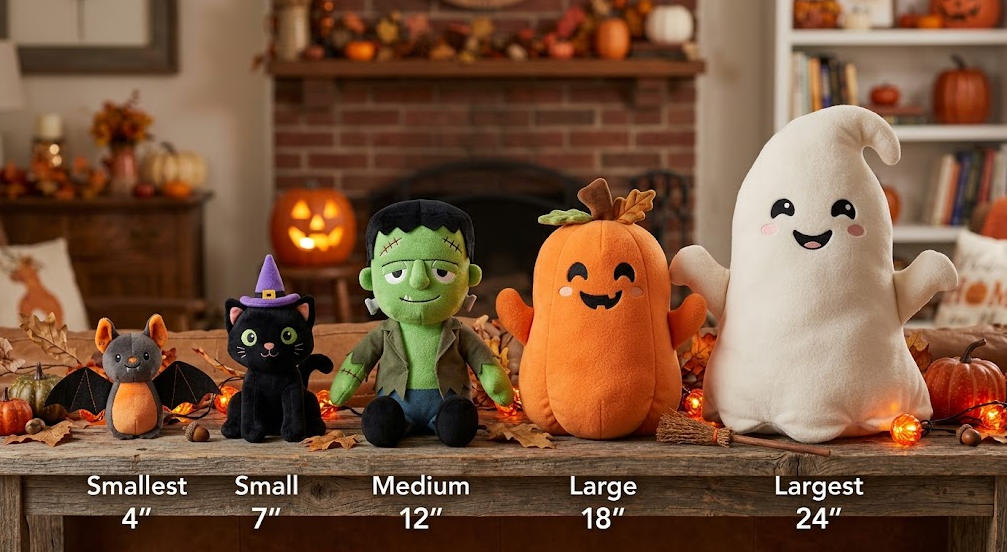
Custom size matters in Halloween plush toy production. It affects the look of the toy, the materials, manufacturing processes, the cost, the packaging method, and market applications. A manufacturer has to check size needs for both a small ghost keepsake and a large Halloween monster display. The aim is to achieve the right balance between of appearance, quality, and efficiency.
When understanding how custom size affects every production stage, they can better match customer needs. At the same time, they can keep output steady. A clear plan for size customization turns creative Halloween ideas into quality plush products that work well f for different markets and occasions.