
On-demand Production for Custom Plush Manufacturer
For custom plush toy manufacturers, adopting on-demand production is transforming how plush toys are designed, produced, and delivered. This approach allows manufacturers to satisfy diverse customers’ demands while maintaining cost-efficiency and reducing waste.
What is On-demand Production
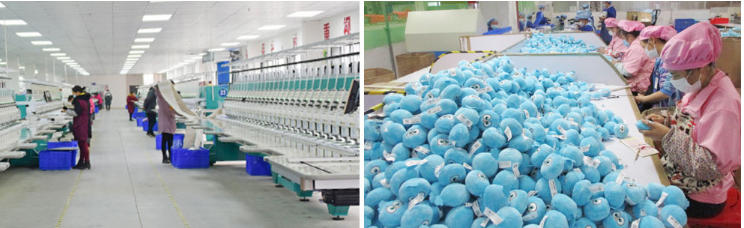
On-demand production is an process of manufacturing that produces items upon receipt of an order placed, instead of being manufactured in bulk. This process reduces the need for huge stocks, decreases stock that is not sold and permits greater flexibility to customize. In the industry of plush toys that means every plush can be made to look unique with particular characters, branding needs or individual preferences of the customer.

Why Custom Plush Manufacturers Need On-demand Production
Meet the Growing Demand for Personalization
Business and consumer alike are seeking customized toys that cater to their individual needs, ranging from distinct colors and characters to logos and names embroidered. On-demand production lets manufacturers make each product according to precise specifications, making sure that every product meets needs and stands out an increasingly competitive market.
Minimize Inventory Costs and Financial Risk
Traditional bulk manufacturing usually involves large stocks of un-sold products that can clog up capital and result in losses. On-demand manufacturing eliminates the need for large inventory by making only what is ordered. This reduces the costs of storage and decreases the risk of financial loss caused by overproduction.
Enhance Sustainability
Environmental impact from mass produced toys is a result of excess materials and the waste. Producing exclusively on demand, manufacturers can drastically reduce the amount of fabric packaging waste, packaging, and stock that is not sold. On-demand production is compatible with sustainable practices, assisting businesses meet the demands of eco-conscious consumers.
Accelerate Response to Market Trends
The trends in the world of toys and collectibles shift quickly. The ability to produce on-demand allows producers swiftly adjust the latest designs and limited-editions or seasonal products without being restricted by inventory. This flexibility helps businesses remain competitive and relevant in an ever-changing market.
Cost-Effective for Small or Customized Orders
Many customers, including small-sized businesses, event planners or individuals, require limited quantities of toys for children. On-demand production lets manufacturers take smaller orders without the cost of large-scale production, allowing the door to a larger market.
Improve Operational Efficiency
In streamlining the design-to production workflow by using electronic tools and cutting machines in addition to efficient logistics management for supply chain, production on demand reduces lead times and guarantees exact satisfaction. This increases overall efficiency while ensuring the highest quality standards.

Technology Behind On-demand Custom Plush Production
The core principle of the on-demand custom plush manufacturing is the use of cutting-edge technology that streamlines production, design and delivery of plush toys. Knowing the latest technological advances is vital for custom plush manufacturers aiming to stay competitive of the market.
1. Digital Design Software
Digital design tools are essential to the production process on demand. Software tools allow designers to create precise virtual models of toys that are plush before production even begins. This enables:
- A precise visualization of colors, patterns and forms
- Rapid iterations and design changes
- Effective communication between designers and clients
With the help of digital design, companies can reduce mistakes and cut the time between conception and production.
2. Automated Cutting and Sewing Machines
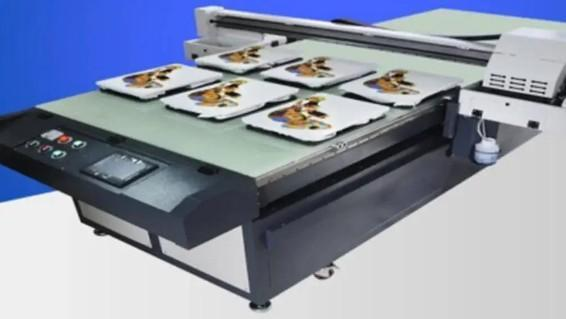
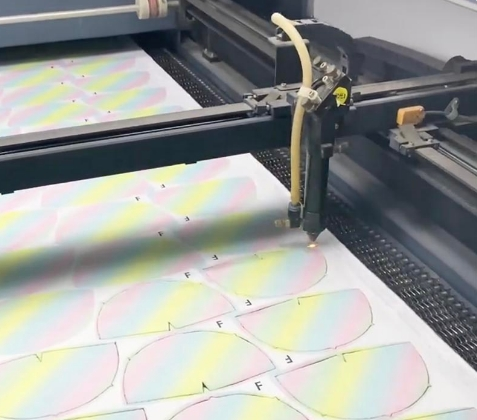
It is essential to have precision in manufacturing. Cutting machines that are automated can precisely cut fabric in accordance with digital patterns, which reduces the amount of material wasted and guaranteeing consistency across all pieces. In the same way, semi-automated or automated sewing machines increase production speeds while ensuring top-quality stitching, which is particularly crucial for intricate or complex designs.
3. Advanced Embroidery Technology
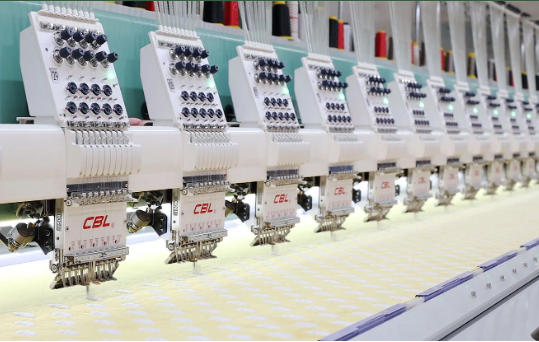
The embroidery machines can be customized to include names, logos as well as intricate patterns on toys. The latest multi-head machine are able to create intricate patterns quickly and allow high-quality personalization of each purchase. This technology is able to handle single-unit production and small batch production, but without sacrificing quality.
4. Integrated Supply Chain Management
Production on-demand depends on a seamless supply chain to provide products quickly when orders arrive. Software solutions for managing inventory as well as order tracking and supplier coordination make sure that the raw materials, such as threads, fabrics, and other accessories are readily available. This helps reduce delays and allows the concept of just-in-time manufacturing.
5. Data Analytics and Customer Integration
Data-driven tools assist manufacturers in understanding their customers’ preferences, anticipate the demand and improve production processes. By integrating inputs from customers direct into designing platforms companies can ensure that orders are precise as well as individualized and efficiently processed.
6. Robotics and Automation in Finishing
In order to produce large quantities on demand robots can aid in finishing procedures like trimming, stuffing, or quality inspection. Automation guarantees consistent quality of the product while reducing the need for manual labor and allowing companies to expand their operations with no loss of precision.
Key Considerations in On-demand Production for Custom Plush Manufacturers
| Consideration | Description | Importance |
| Customization Options | A variety of colors, fabrics designs, embroidery and other accessories. | Ensures products meet unique customer requirements. |
| Production Speed | The time it takes to make an item following the time the order has been placed. | Helps with timely delivery and customer satisfaction. |
| Material Availability | Access to all fabrics and threads, as well as stuffing and other parts. | Reduces the time it takes to wait and guarantees an efficient production. |
| Technology and Automation | Digital design is used to create sewing/cutting machines, automated embroidery as well as 3D printers. | Increases efficiency, accuracy, and lowers costs for labor. |
| Quality Control | Monitor stitching and stuffing as well as finishing requirements. | Keeps products of high-quality and minimizes the chance of defects. |
| Inventory Management | Afficient tracking and efficient use of the most efficient raw materials. | Reduces waste and reduces cost of inventory. |
| Sustainability | Only producing as required and using sustainable materials. | Reduces waste and boosts the brand’s reputation. |
| Cost Management | Controlling costs of production, particularly when it comes to small orders. | Maintains competitive pricing and profitability. |
| Scalability | Ability to manage varying sizes of orders from one unit to large production. | Helps to boost the growth of businesses as well as seasonal demands. |
| Customer Integration | Integrating input from the client directly into the design and production workflows. | This ensures that the fulfillment is accurate and enhances your customer’s experience. |
Future Trends in On-demand Custom Plush Manufacturing
- Increased Personalization and Customization
The trends of the future will lead to a higher demand for highly personalized plush toys. Customers will be able to choose more options in terms of colors, fabrics accessories and interactive features such as lights or sounds for custom plush toys. Modern design tools and on-demand manufacturing methods will enable manufacturers to create truly unique and luxurious products that are tailored to each individual’s preferences.
- Integration of Smart and Interactive Features
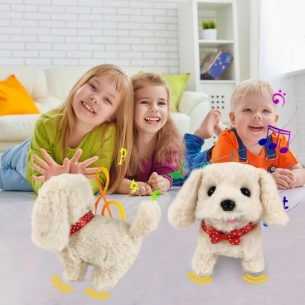
As technology gets more accessible Plush toys will gradually incorporate advanced features, including sensors LEDs, sensors, or even connectivity via mobile apps. On-demand production allows manufacturers to incorporate these features individually, creating distinctive, interactive experiences without the requirement of mass production.

- Sustainable and Eco-Friendly Practices
Sustainability will be a constant priority. Production on demand reduces waste and the future suggests a rise in utilization of environmentally friendly products, biodegradable stuffing recycling packaging. Sustainable plush toys will be able to appeal to eco-conscious consumers and enhance their image.
- AI-Driven Design and Production Optimization
Artificial Intelligence (AI) will become more prominent in production on-demand. AI can assist in predicting patterns, suggest design changes and optimize the use of materials and help streamline the process. This can increase efficiency, cut costs for production, and increase the capability to satisfy specific requirements.
- Enhanced Supply Chain Flexibility
On-demand production is dependent on the flexibility and agility of the supply chain. Future advancements will involve greater connection to digital platforms as well as real-time inventory tracking and faster supply of materials. This will allow manufacturers to respond rapidly to market changes.
- Expansion of Direct-to-Consumer Channels
Direct-to-consumer sales and commerce will continue to increase and make on-demand production crucial than ever. Manufacturers can use online platforms to provide customized toys directly to consumers by bypassing the traditional constraints of retail and bringing their products to a wider public.
Bottom Line
On-demand production is a key advantage to custom plush manufacturers. It balances personalization with efficiency, cutting down on costs and making use of technology to meet the modern consumer demands. Manufacturers who adopt this strategy are positioned to succeed in an industry that increasingly values uniqueness sustainability, and rapid responsiveness.