
How to Customize Plush Mascots Based on Brand Concepts
Custom plush mascots help brands turn their look and message into a tangible character. Unlike ordinary promotional products, a well-designed plush mascot can show a company’s personality, values, products, and visual identity while creating an emotional connection with customers.
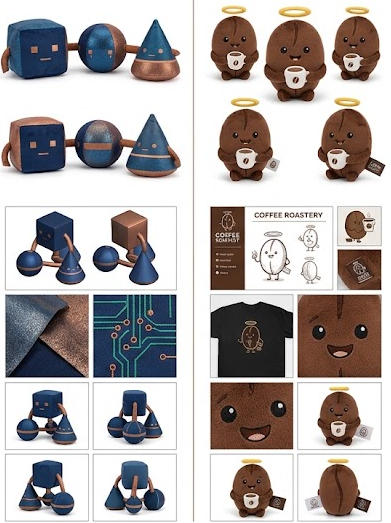
Start the work with the brand idea, not with the toy itself. When you know what the brand stands for, it is easier to shape that idea into a character design. Then the customized plush mascot ends up cute and clear, and it still ties back to the brand.
Understanding Brand Concepts in Plush Mascot Design
A brand concept is the main theme behind a company or product. It can include the brand mood, who it targets, its palette, its beliefs, its items, and its visual style.
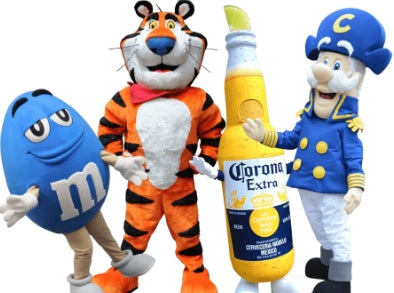
For a plush mascot, those parts should be turned into a character people can spot fast. A kids brand might pick a cute animal, use bright shades, and add a warm face. A brand focused on outdoor life may go with a mountain animal, an explorer theme, or a nature style figure.
You are not only trying to copy a logo. The mascot should show the brand concept in a way that sticks in memory and feels fun to see.
The Customization Process of Plush Mascots
1. Choosing the Right Mascot Character
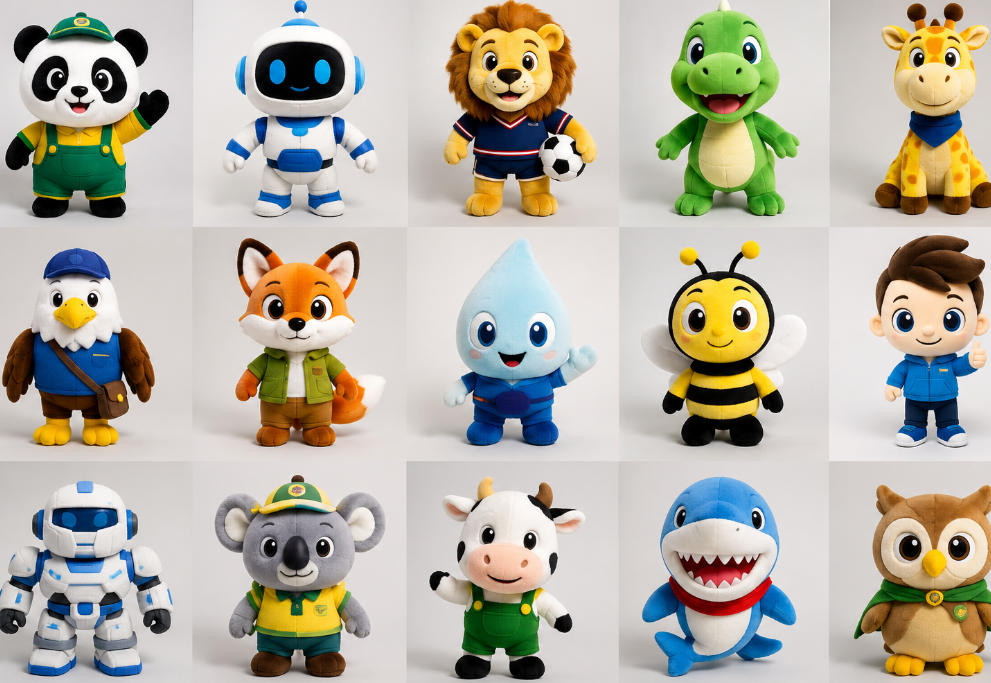
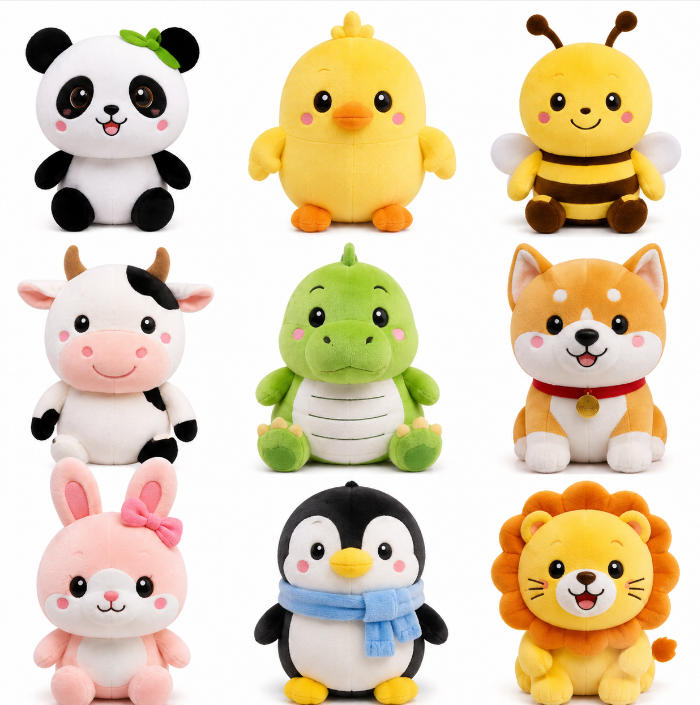
The character is one of the most important decisions in plush mascot customization. Designers often pick from animals, human-like figures, fantasy beings, food-themed characters, robots, or brand-new abstract ideas.
| Brand Concept | Suitable Plush Mascot Character | Key Character Features | Suitable Applications |
| Children & Education | Bear, rabbit, owl, or friendly animal | Large eyes, rounded body, smiling face, playful proportions | Schools, educational products, children’s brands |
| Technology & Innovation | Robot, futuristic creature, or abstract character | Clean shapes, geometric details, modern expression | Tech companies, apps, electronics brands |
| Sports & Fitness | Tiger, eagle, lion, bear, or athletic character | Strong posture, dynamic pose, sporty clothing | Sports teams, gyms, sporting events |
| Nature & Sustainability | Panda, bear, fox, tree creature, or plant-inspired character | Organic shapes, natural motifs, earthy details | Eco brands, outdoor companies, environmental campaigns |
| Food & Beverage | Food-shaped character or animal mascot | Exaggerated features, cheerful expression, product-related accessories | Restaurants, food brands, beverage companies |
| Luxury & Premium | Elegant animal, sophisticated human character, or refined original design | Streamlined proportions, subtle expression, high-quality clothing | Fashion, cosmetics, jewelry, premium products |
| Adventure & Travel | Explorer animal, bear, fox, or outdoor character | Backpack, hat, boots, travel accessories | Tourism, outdoor brands, travel campaigns |
| Fashion & Lifestyle | Cat, dog, human character, or trendy creature | Stylish clothing, distinctive silhouette, fashionable accessories | Apparel, lifestyle, beauty brands |
| Family & Home | Bear, dog, cat, rabbit, or other cuddly animal | Soft shapes, gentle expression, cozy appearance | Household products, family brands, home services |
| Entertainment & Gaming | Fantasy creature, monster, superhero, or original character | Exaggerated silhouette, expressive face, distinctive costume | Games, entertainment, media brands |
| Professional & Corporate | Bear, mascot animal, human-like character, or simplified abstract figure | Clean design, confident posture, restrained expression | Corporate events, financial services, B2B brands |
| Youth & Social Media | Cute animal, fantasy creature, or humorous character | Oversized features, expressive face, playful accessories | Social platforms, youth campaigns, promotional merchandise |
| Community & Social Causes | Friendly animal, people-inspired character, or heart-themed mascot | Open arms, welcoming expression, inclusive design | Nonprofits, community campaigns, public events |
| Innovation & Creativity | Original fantasy creature or abstract character | Unusual proportions, imaginative shapes, vibrant details | Creative agencies, startups, design brands |
The character should have a meaningful relationship with the brand concept rather than being selected solely because it looks cute.
2. Incorporating Brand Colors
Brand colors can help a plush look familiar right away. Use the main and backup colors on the mascot’s body, outfit, add-ons, stitching, or small decorative parts.
Still, you do not have to coat the plush in one solid company shade. Mixing neutral fabric with small hits of signature color can look more even and nicer.
Color match matters even more if the mascot will show up on boxes, brand sites, ads, and social posts.
3. Designing the Mascot’s Facial Features
A plush face does a lot of work. Eye size and eye shape, the mouth style, nose form, ear shape, and other face parts all change how the character feels.
Big eyes with a smile can read as kind and easy to like. A lively look can feel excited, while a calm look can fit a more serious brand.
Face details also need to fit the real limits of plush size and making methods.
4. Customizing Shape and Proportions
The plush mascot should have a shape that feels unique, but it still needs to be easy enough to produce.
Oversized heads, rounded forms, short arms or legs, big ears, and odd shapes can make a mascot easy to spot. These traits help people tell it apart from other characters.
Too many complex shapes can cause problems in making the plush. So the design should still show imagination, but it must be practical to produce.
5. Adding Clothing and Accessories
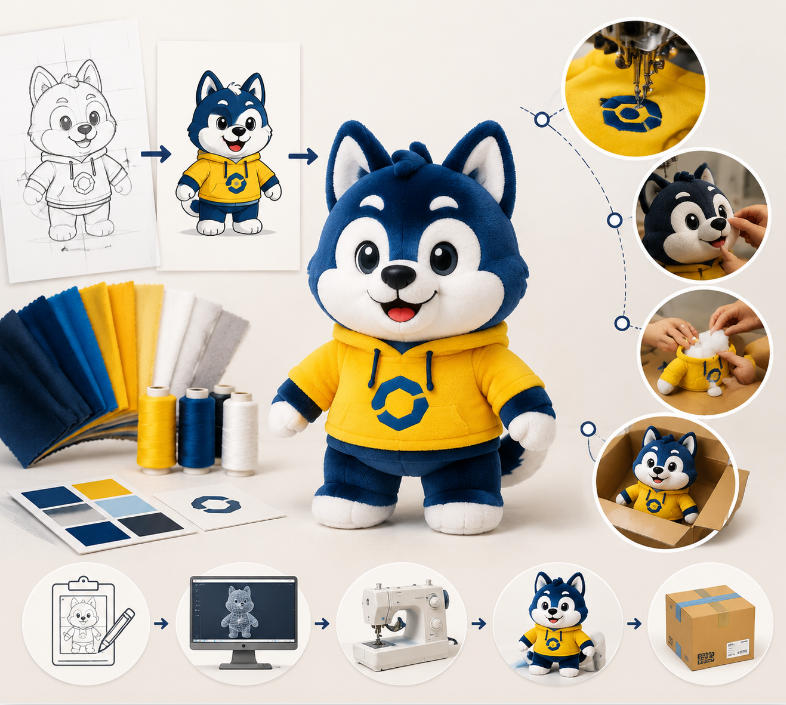
Clothes and add-ons help push the brand idea forward.
A restaurant mascot might look like a chef in a simple uniform. A sports mascot could wear a custom team set. An outdoor mascot may include a hat, a small backpack, or other hiking gear.
These items can also help with seasonal use. A basic mascot can get new outfits or accessories for holidays, new product drops, yearly milestones, and special promo days.

6. Select Materials Based on the Brand Positioning
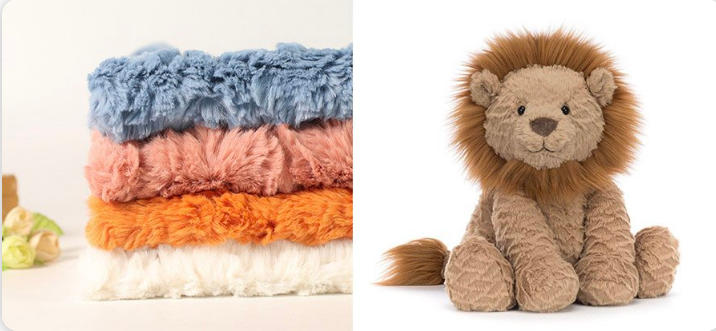
Plush fabric choice changes how the mascot looks and how it feels.
| Plush Material | Appearance | Suitable Brand Concepts | Key Advantages | Considerations |
| Short-Pile Plush | Smooth, soft, and clean-looking | Modern, professional, lifestyle, technology brands | Easy to shape and suitable for detailed designs | May look less fluffy than long-pile fabrics |
| Long-Pile Plush | Fluffy, cozy, and highly tactile | Children’s, playful, comfort-focused brands | Creates a cute and cuddly appearance | Fine details may be harder to reproduce |
| Velvet Plush | Smooth, dense, and slightly luxurious | Premium, elegant, fashion, gift brands | Soft texture and refined appearance | Can increase material costs |
| Minky Fabric | Very soft and smooth | Baby, children’s, comfort, wellness brands | Comfortable against the skin and visually appealing | Surface can show handling or pressure marks |
| Fleece | Soft, warm, and casual | Outdoor, seasonal, family-oriented brands | Lightweight and versatile | May have a less premium appearance |
| Sherpa Fabric | Thick, fluffy, wool-like texture | Outdoor, winter, cozy, nature-inspired brands | Strong warmth and softness | Can make small mascot details difficult to define |
| Cotton Fabric | Natural, lightweight, and breathable | Eco-conscious, handmade, educational brands | Natural-looking and suitable for printed details | Generally less plush than synthetic fabrics |
| Corduroy or Textured Fabric | Ribbed or distinctive surface | Retro, fashion, creative, lifestyle brands | Adds visual and tactile character | Texture may complicate small design details |
| Mixed Fabrics | Combines different textures and finishes | Complex character concepts and premium mascots | Allows different body parts to have distinct visual effects | Requires more complicated production and quality control |
| Recycled or Recycled-Content Fabrics | Softness and appearance vary by material | Sustainability-focused and environmentally conscious brands | Can support an eco-oriented brand message | Material specifications and appearance should be verified carefully |
The right plush material option should fit the brand and also match the mascot size, who will use it, how much detail it has, how long it should last, how many will be made, and what the budget allows. If the design is full of small details, a smoother short pile is often easier to stitch and shape. If softness is the focus, a fluffier fabric can work well too.
7. Connecting the Mascot With the Brand Logo
A logo can be integrated to a plush using embroidery, printed areas, stitched patches, sewn labels, or custom clothing parts.
Logo size and spot matter. A small stitched mark on a shirt or an accessory can feel more natural. A big logo laid across the main body may look forced.
Brand symbols, repeated patterns, short slogans, or product-like details can also be added to strengthen the link between the character and the brand.
8. Designing for the Target Audience
The target audience should influence the mascot’s appearance and functionality.
For kids, soft textures, round shapes, bright colors, and warm faces usually land well. Teens and young adults may like a more stylish look, a bit of humor, or exaggerated features. Collectors often care about fine details, special add-ons, limited releases, and a clear character theme.
When the audience is known, brands can make mascots that match their identity and also feel appealing to buyers.
9. Developing a Mascot Personality
A strong plush mascot can become more than a physical product when it has a recognizable personality.
For instance, an adventure-themed mascot can be shown as an explorer. Add the right outfit and small items that fit the theme. A fun mascot can be shown with a lively stance and a bright look.
This method helps the character fit into story-based posts and other marketing work.
10. Creating a Prototype
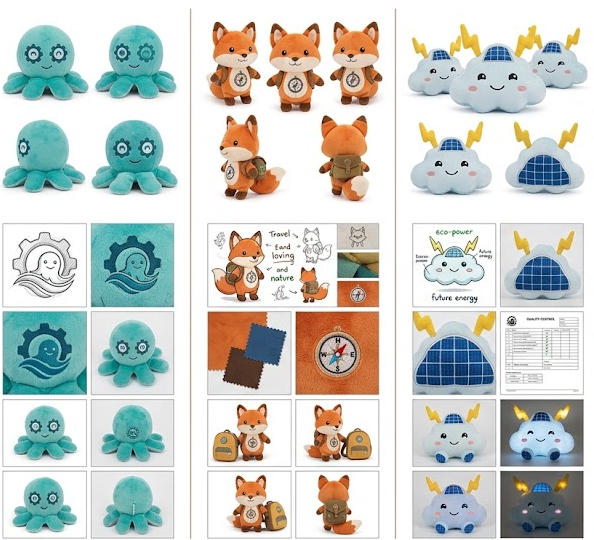
A prototype should generally be developed before mass production. The sample allows the brand to evaluate whether the physical mascot accurately represents the original concept.
Important elements to check include:
- Total shape and size
- Face look
- Color match
- Cloth feel
- Sewing work
- Embroidery work
- Logo position
- Small add on items
- Soft feel and body form
It is often simpler to fix issues while you are in the prototype phase. After mass production begins, changes cost more and take more time.
11. Balancing Design and Manufacturing
An attractive concept must also be practical to manufacture. Very small details, complicated structures, unusual materials, or excessive accessories can increase production difficulty.
Experienced custom plush manufacturers can help identify potential problems during the design stage and recommend adjustments without losing the core character concept.
For big order runs, you can also cut back on certain parts. That can make output more steady. It may also help with costs.
12. Maintaining Brand Consistency
Once the mascot is finalized, its core design elements should remain consistent across different applications.
Brands can establish guidelines for the mascot’s:
- Colors
- Overall body ratio
- Expression on the face
- Logo spot
- Clothing
- Accessories
- Material type
- Approved ways to pose
With these rules, it is easier to make mascot sizes for stores, seasonal versions, promo items, and art for campaigns. The character stays easy to recognize.
13. Using Packaging to Complete the Brand Experience
Packaging can link the mascot to the brand in a clear way. Use the brand colors, type style, images, character facts, and story notes on the box.
For shops and collectible sets, custom packaging can also make the item feel more special. It can also make it a better gift.
So the packaging and the plush mascot should be treated as one shared brand moment.
Evaluate the Finished Plush Mascot
Before final approval, evaluate the mascot from both a branding and product perspective.
Confirm:
- The mascot shows the brand concept well
- Colors fit the brand identity
- The mascot pulls in the target audience
- Materials feel right for the goal
- Details fit what can be made
- Quality is at the plan level
- The design can work for later marketing
A successful mascot should look attractive on its own while still being immediately connected to the brand.
Final Words
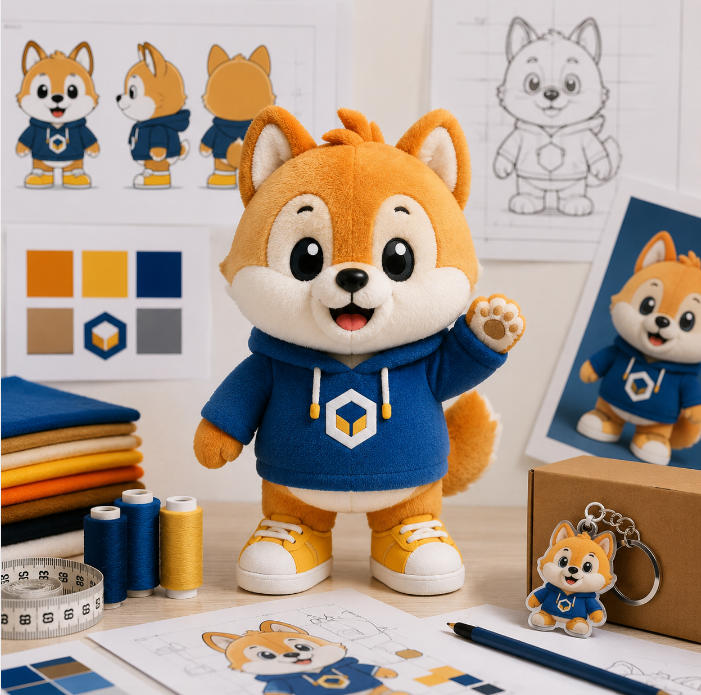
Custom plush mascots need more than sewing. You start with brand strategy. Then you move to character design. Next comes picking materials. After that you apply what you know about how plush items are made. The most effective mascot is not just a stuffed version of a logo. It should carry the brand’s vibe. It should reflect what the brand cares about. It should match the brand’s look. It should also fit the brand’s story, so people remember it when they see it.
To get there, choose a character idea that fits. Add the brand colors and key details. Adjust the face so it feels right. Add the right accessories. Pick materials that work for the use case. Think about who will buy or receive the mascot. Make sample pieces first. Review the prototypes before you start production.
When a plush mascot is created with care, it can act like a brand helper. It can pull people in and keep them interested. It can also make the brand easier to spot in the market.