
The Growing Trend of Private Label Plush Toy Manufacturing
An important development, which has occurred during the last few years, shows that private label plush toy manufacturing has become a major industry trend in the worldwide toy market. Retailers, brands, and businesses are increasingly opting to create custom plush toys under their own labels, rather than sourcing from well-known manufacturers. The new direction enables businesses to establish unique branding, achieving higher profit margins and greater control over the design and quality of the products.
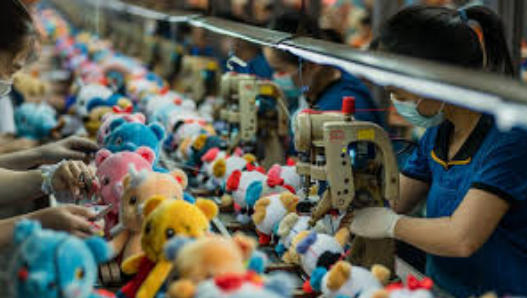
Understanding the Basics of Private Label Plush Toy Manufacturing
Private label manufacturing refers to the process where a company produces goods that are branded and sold by another company, typically under the retailer’s brand name. For plush toy manufacturing, private label manufacturers develop soft toys according to client specifications, which clients then sell under their own brand name.
For many companies, private label plush toys offer an excellent opportunity to enter the toy market without the need for a huge investment in product development, design, or manufacturing facilities. The business model permits companies to develop distinctive, superior products which they can market through their established brand identity and consumer base.
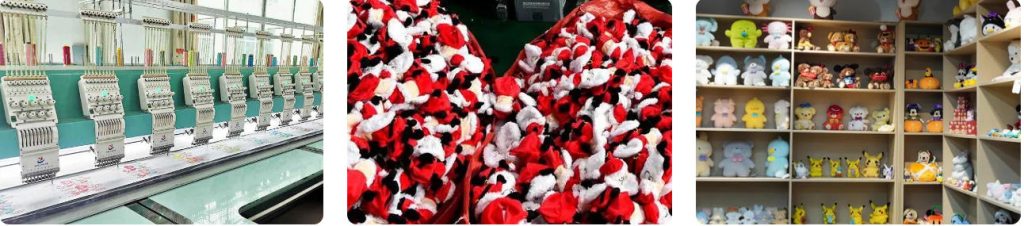
Key Benefits of Private Label Plush Toy Manufacturing
Private label plush toy manufacturing provides companies with a flexible and scalable option which enables them to achieve market differentiation in their industry competition.
- Full Control Over Branding and Customization: The private label manufacturing model enables companies to develop custom plush toys which match their brand requirements. Businesses can use design and size and color and custom features and packaging to create toys which showcase their brand identity and corporate values thus increasing customer loyalty and brand recognition.
- Cost-Efficiency and Reduced Overhead: Private label manufacturing operates as a production system which allows businesses to maintain control of their operations without needing to develop their own manufacturing plants and purchase production apparatus and hire personnel. By partnering with established manufacturers who already have the necessary infrastructure, businesses can avoid these upfront costs and reduce overall production expenses.
- Market Differentiation and Exclusive Offerings: Custom plush toys provide businesses with a unique way to differentiate themselves from competitors. Companies can develop exclusive toys through the design process which enables them to create products that differ from what mass-market brands offer. The exclusive nature of these products helps attract customers who want to find unique items.
- Higher Profit Margins: Private label products enable businesses to charge premium prices because customers perceive these items as superior dedicated products. The private label manufacturer partnership delivers cost advantages which result in higher profitability for the business.
- Scalability and Flexibility: Private label plush toy manufacturing allows businesses to adjust their production capacity according to market requirements. Manufacturers can handle production needs through instant product expansion which enables them to create limited-edition items and manage substantial customer orders.
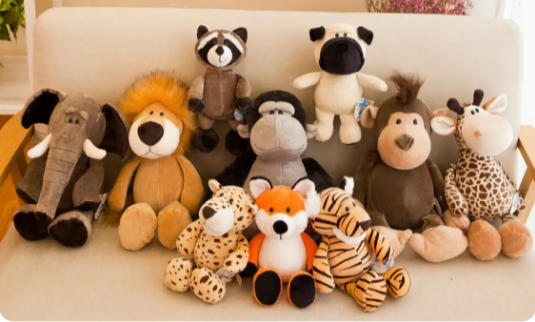
The Process of Private Label Plush Toy Manufacturing
There are some critical stages in making these customized plush toys that work directly towards the final products to be totally satisfactory, in terms of quality, safety, and brand identity.
1. Conceptualization and Design Development
The beginning of the private label plush toy manufacturing is to have a clear vision in mind for the product. This involves the discussion amongst enterprises, designers, and manufacturers about what the plush toy will look and feel like. Areas to be deliberated are character or theme selection, sizes, material to be used, as well as other interactive elements such as sounds and special textures.
It also becomes very significant to create brand identity in the process. The toy should align with the desired aesthetic of the company, and this may be through colors, patterns, or branding elements such as logos. Moreover, the relevant target audience is considered: toys made for children could perhaps have safety features introduced, while toys made for collectors may include detail and uniqueness.
Once the idea is set, the initial sketches and specifications are then designed, preparing the essentials of prototype completion.
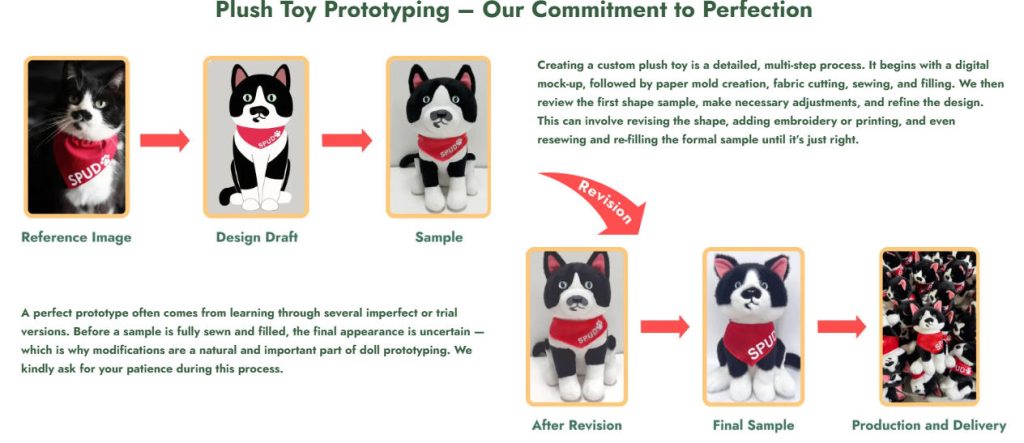
2. Prototype Development
After settlement on the design, the prospective manufacturer commences protecting the prototype. This is the most important and interesting step, as this is the very first real-life feel of the stuffed toy. The prototype has a physical representation of the design that enables the business to evaluate and refine any aspect of the toy, including size, shape, sewing method, or overall aesthetics.
So during the time of prototyping, the businesses decide how well the particular toy matches their expectations in terms of quality and design. Any minor adjustments to material, size, and detailing can be made within the prototype stage prior to mass production. It is an approval which must be secured before entering into full-scale production. The core of this kind of action is the need to ensure that the manufacturer will make happen the last product the way it was intended.
3. Sourcing materials
After the prototype gets approved, the sourcing process of the required materials starts for mass production. In plush toys, materials play a crucial role as far as quality and appearance go. Indeed, fabric, such as soft cotton, polyester, or even eco-friendly materials such as organic cotton or recycled fabrics, plays a role in plush toys. Stuffing that is used must be lightweight and durable, such as polyester fiberfill or cotton, to hold the shape over time.
Apart from main fabric and stuffing, dozens of products such as thread, buttons, embroidery floss, and accessories like clothes or hats may be necessary according to the toy design of the plush toy. In a bid to address the ever-growing demand for environmentally conscious nature in production, brands truly about sustainably will also favor working with a manufacturer that specializes in eco-friendly materials.

4. Mass Production
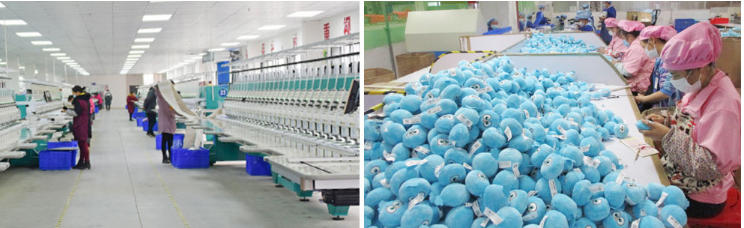
Using the materials already gathered, construction of the plush toys starts. This is the stage where design work is translated into a large number of releases. During manufacturing, cut, sew, and put together the various parts of the plush toys to the precise parameters of a particular company. Many steps are understandable throughout the procedure:
- Cutting and Sewing: The fabrics get cut into required shapes and sewn together to make the toy structure. You must have high precision during cutting and sewing to get both a visually appealing and long-lasting toy.
- Stuffing: After sewing, the toys get filled with the chosen stuffing material, which will give plush toys the characteristic soft, huggable feeling for which they are famous. The stuffing must be stuffed properly to guarantee that the doll remains shaped and firm all this time.
- Assembly of Accessories: This will be put on the additional attributes-like; the embroidered eyes, noses, or clothing. After that is done, if the toy can make extra sounds or light in this interactive process, they may be worked into the toy at that moment.
Mass production in custom plush toys is an inevitable step to scale when businesses become market leaders. Production therefore is a compromise including aspects or issues such as maintaining quality. Therefore, quality should be maintained at all stages of production in order to secure the brand synonymous with high-quality toys.
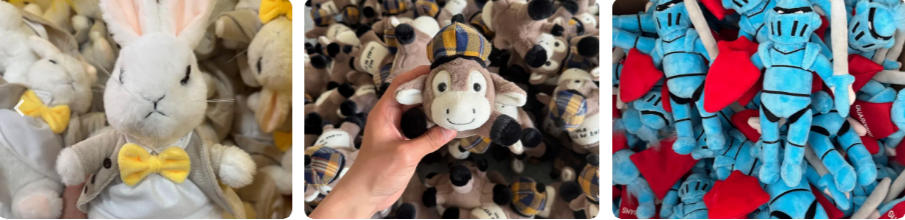
1. Quality Control and Safety Testing
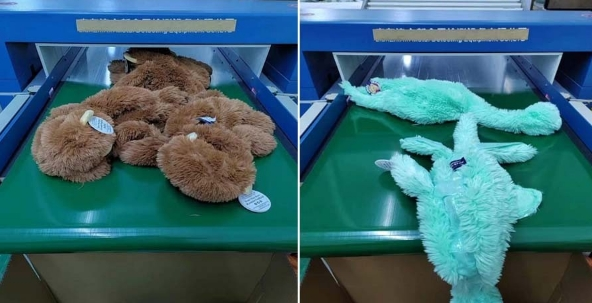
The quality control team inspects the plush toys before packing and shipment thus ensuring a guarantee of safety, longevity, and adherence to design specification in all items.
Safety remains the main focus for toys that are intended for children. Manufacturers are required to make sure that their plush toy is in compliance with safety regulations, as regulated through the Consumer Product Safety Improvement Act in the USA, and the CE certification regulations in Europe. This includes checking for choking hazards, ensuring that the toys are free of toxic materials, and examining the small parts to make sure they are securely attached.
After safety compliance, the plush toys are tested on the aspect of being durable: for example, having easy stitching strength, fabric quality, and durability in resistance to wear and tear. After this end is achieved, they are cleared for packaging and distribution.
6. Packaging and Branding
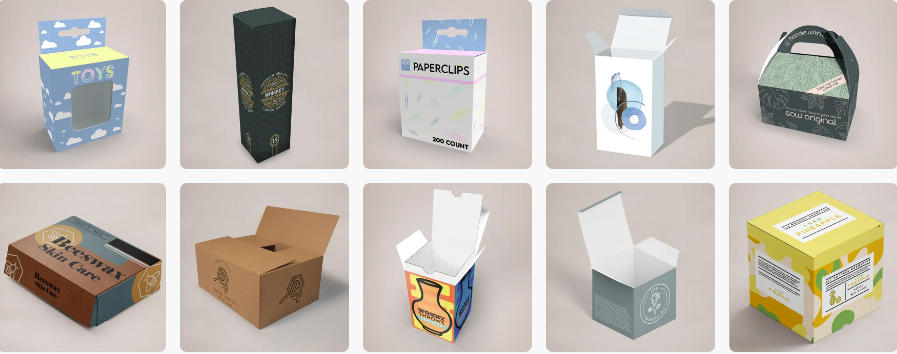
Packaging is considered a vital element to take into account in the private label plush toy manufacturing, serving two primary objectives, which is protection and marketing together. On the one hand, the package must protect the precious toys during shipping, while, at the same time, it must also serve as an identity to the brand. Customized packaging, which presents the company logo, color schemes, name, and so forth, boosts brand recognition and entices consumers.
Thousands of different too and accessories could be marketed based on a simple uniform toy packaging. In some cases, additional product information may also be found on the package, such as age recommendations, care instructions, and safety warnings. Companies supporting environmental causes might opt for environment-friendly materials to create better credibility around their green standing.
7. Shipping and Distribution
From the moment the plush toys are packaged, they stand ready for shipping. According to its distribution model, plush toys are dispatched in various stores, warehouses, or even directly to customers when sold online. With proper logistics, the toys make it to their destinations on time, with hardly a scratch.
Many businesses will do anything for a trusted and reliable partner to ensure that they survive and meet consumer demand at all costs. Ensuring that timely delivery is secured for launching the seasonal or limited-edition plush toys also remain paramount, for seasonal market trends and consumer tastes can change so rapidly.
Key Factors to Consider for Choosing the Right Manufacturer for Private Label Plush Toys
| Key Factor | Description | Why It’s Important | Considerations |
| Experience and Expertise | The manufacturer’s experience in producing plush toys and understanding of the market. | Experienced manufacturers are more likely to deliver high-quality products that meet safety standards. | Look for manufacturers with a proven track record in producing plush toys, particularly in your desired market segment. |
| Customization Capabilities | Ability to customize design, size, materials, and packaging. | Customization techniques in plush toy manufacturing ensures the product matches your brand’s unique design and specifications. | Ensure the manufacturer offers flexible options for tailoring your plush toys in terms of design, features, and packaging. |
| Compliance with Safety Standards | Adherence to international safety regulations and standards for children’s toys (e.g., EN71, ASTM F963). | Ensures your products are safe for consumers and meet legal requirements, reducing liability risks. | Confirm that the manufacturer follows safety guidelines and certifications of plush toys relevant to your target market. |
| Quality Control and Testing | Processes in place to ensure high-quality production and consistency in finished products. | High-quality control ensures that plush toys meet your brand’s standards and consumer expectations. | Ask about the manufacturer’s quality control procedures, including material testing and final inspections. |
| Production Capacity and Lead Times | Manufacturer’s ability to handle your order volume and meet deadlines. | Timely production and delivery are essential for managing stock levels and meeting demand. | Assess the manufacturer’s capacity to meet your volume requirements and whether they can fulfill large orders within your desired timeline. |
| Pricing and Minimum Order Quantities (MOQ) | The cost per unit and the minimum order requirements. | Competitive pricing and manageable MOQs help ensure the profitability and scalability of your business. | Get clear details on pricing structures, bulk discounts, and the MOQ to ensure it aligns with your budget and sales strategy. |
| Ethical Manufacturing Practices | Manufacturer’s commitment to ethical labor practices, sustainability, and environmental responsibility. | Ethical practices in plush toys contribute to your brand’s image and appeal to eco-conscious consumers. | Verify the manufacturer’s commitment to fair labor practices, environmental sustainability, and responsible sourcing of materials. |
| Communication and Customer Service | Availability and responsiveness of the manufacturer’s customer support team. | Good communication ensures smooth project management, prompt issue resolution, and alignment with your needs. | Choose a custom plush manufacturer known for strong customer service, transparent communication, and prompt response times. |
| Prototyping and Sample Production | The ability to produce prototypes or samples for review before mass production. | Ensures the final product meets your expectations in terms of design, quality, and functionality. | Request samples or prototypes to evaluate quality and design before placing a large order. |
| Reputation and References | Manufacturer’s reputation in the industry and feedback from other clients. | A reputable manufacturer is more likely to deliver reliable products and services. | Research the manufacturer’s reputation, review client testimonials, and ask for references or case studies of previous work. |
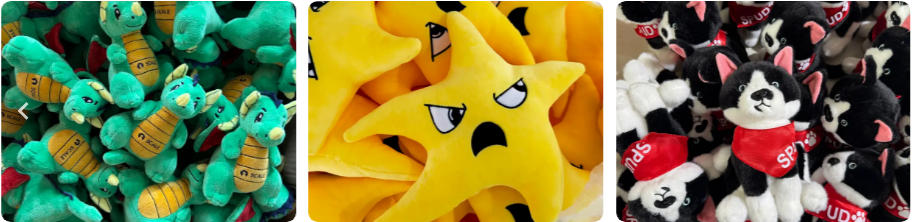
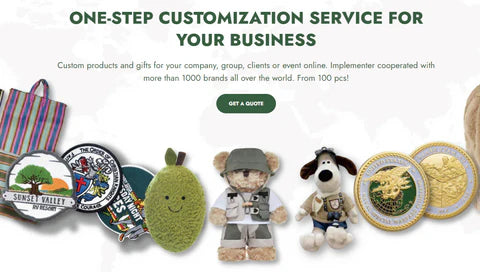
As a prominent and consistent provider of private label plush toy manufacturing, Implementer guarantees high quality and custom plush toys as per the specific requirements of magazines. In cooperation with clients on issues of innovation, safety and sustainability, Implementer designs stand unique among the set of other alternatives, ensuring that every toy fits within the scope of current brand perceptions while setting higher industry standards.
Summary
Private label plush toy manufacturing provides opportunities to brands and stores in creating the ultimate custom plushies that would represent its entity against making the most of the soaring demand for the finest custom designed toys. Among advantages such as cost conformity, greater branding control, plus heightened market distinctive power and scalability, private label plush toy manufacturing adds a weigh of sustainable advantage into making the billboard for toy business success. Choice of custom plush manufacturer can give wings to companies and step on the land of plush toy scenario, coupled with a fight against the brick and mortar retail business’s equivalent in such a competitive industry.