
Customization Options in Plush Toy Manufacturing: Size, Fabric, Color and Accessories
Customization has revolutionized in modern plush toy manufacturing, which allows custom plush manufacturers to create unique, brand-specific and emotionally-engaging products. Optimization for each specification, be it for retail, promotional, or private label assemblies, will maximize consumer appeal and customer satisfaction. Size, fabric, colors and accessories constitute the most vital parameters of custom plush toys, which ultimately boosts the appeal, function, and value.
Why Customization is Important in Plush Toy Manufacturing
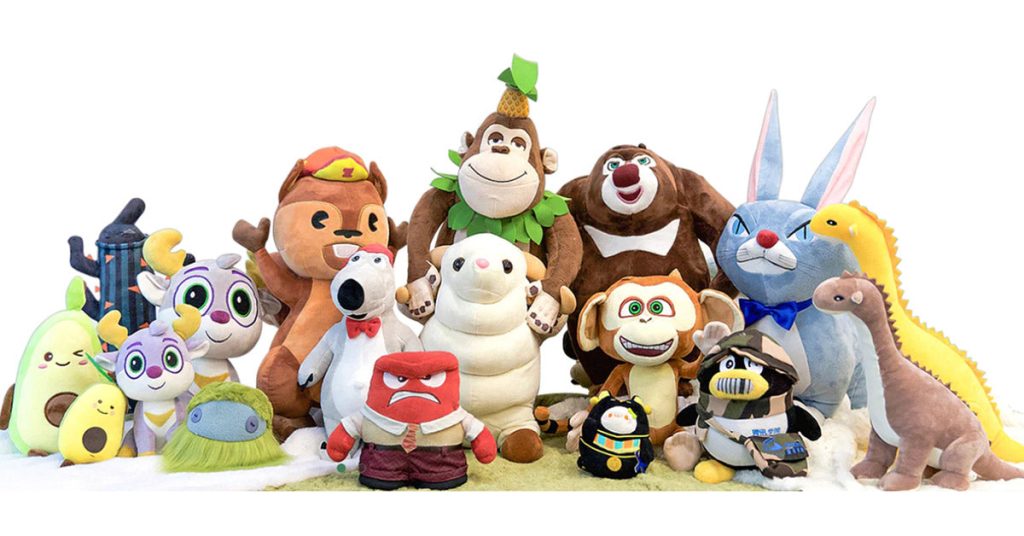
In a highly competitive market, it becomes reasonably difficult for generic stuffed toys with lovable appeal to stand above the competitors. Respective customization brings a shift of the products of any producer toward particular themes favorable to the targeted market, sometimes coupled with the company itself. From small, a collectible item turned large display collection like the plush toys, creativity in design perhaps allows the toy to address a horde of creative and commercial desires.
Size Customization in Plush Toy Production
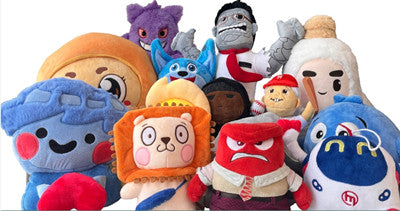
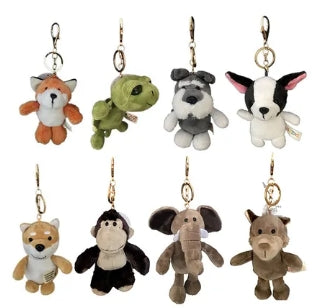
Size customization in plush toy production is perhaps considered one of the most fundamental aspects. Manufacturers typically offer a wide range of sizes, from pocket-sized plush toys (5–10 cm) to oversized versions exceeding 1 meter.
| Size Category | Typical Dimensions | Common Applications | Advantages | Limitations |
| Mini (Small) | 5–10 cm | Plush keychains, giveaways, collectibles | Portable, cost-effective, suitable for mass promotion | Limited detail, less visual impact |
| Small-Medium | 10–25 cm | Retail toys, souvenirs | Affordable, easy to handle, good balance of detail and cost | Less striking than larger plush toys |
| Medium | 25–50 cm | Standard plush toys for children | Comfortable for hugging, allows better design detailing | Higher material and shipping costs than smaller sizes |
| Large | 50–100 cm | Gifts, decorative items, themed merchandise | Strong visual appeal, premium feel | Requires more storage space, higher production cost |
| Oversized (Giant) | 100 cm and above | Promotional displays, special events, luxury gifts | Maximum impact, highly attractive for marketing | Complex manufacturing, expensive logistics and handling |

Fabric Selection in Custom Plush Toys
Fabric plays a crucial role in defining the tactile and visual qualities of the plush toys. The choice of fabric affects not only the plush toy’s appearance but also its durability, maintenance requirements, and compliance with safety standards.
This chart provides the common fabric options, help manufacturers select the most suitable materials.
| Fabric Type | Description | Key Characteristics | Typical Applications |
| Plush (Velboa) | A short-pile, smooth synthetic fabric commonly used in plush toys. | Soft texture, durable, cost-effective, easy to print patterns. | Standard stuffed animals, promotional plush toys. |
| Minky Fabric | A premium, ultra-soft microfiber fabric with a luxurious feel. | Extremely soft, high quality, slightly higher cost. | High-end plush toys, baby toys, comfort items. |
| Fleece | A lightweight synthetic fabric made from polyester. | Warm, soft, flexible, and relatively inexpensive. | Casual plush toys, cushions, and character dolls. |
| Cotton Fabric | A natural fiber fabric often used for a different texture or style. | Breathable, eco-friendly, less stretchy, not as plush. | Decorative plush toys, dolls, and craft-style toys. |
| Felt | A non-woven fabric made by compressing fibers together. | Stiff structure, easy to cut and sew, holds shape well. | Small plush parts, facial features, accessories. |
| Faux Fur | A long-pile synthetic fabric designed to mimic real animal fur. | Fluffy, realistic appearance, varies in pile length. | Animal plush toys, luxury or realistic designs. |
| Chenille | A soft fabric with a fuzzy, caterpillar-like texture. | Thick, textured, soft, slightly heavier material. | Decorative plush toys, specialty designs. |
| Corduroy | A woven fabric with raised ridges (cords). | Durable, textured, unique appearance. | Vintage-style plush toys and character designs. |
| Velvet | A smooth, dense fabric with a soft and slightly shiny surface. | Luxurious look, soft touch, less stretchy. | Premium plush toys, decorative or collectible items. |
Color Customization in Plush Toy Manufacturing
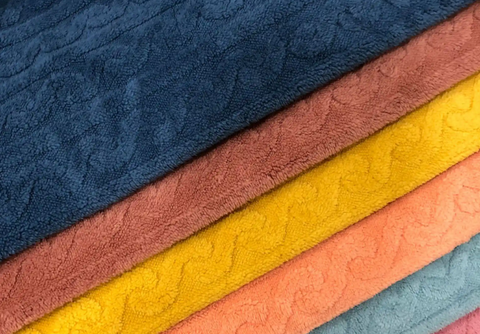
Color is an intricate part of plush toy customization and an influential factor that governs how consumers perceive a product. Color sends out a very powerful message about a product, makes for a long-lasting impact on the consumer, and even shapes their complete experience with the toy, hence building its brand. So, try to consider the Pantone color that matches as closely to the fact of what the character, logo, or brand comes to, and storing that information in your brand guidelines.
Color Matching and Standardization Techniques
Accurate color matching is dependent on conforming to internationally renowned standards and thoroughgoing control of the production environment. Many manufacturers make use of a recognized color-matching system, such as Pantones so that their product is color consistent from one lot to another. Dyeing is to that extent controlled with great care, including before going into full-fledged second samples. Standardization is important in the fabric production industry because higher-cost licensing partners, who are extremely concerned about variations in color caused from one batch to the other, need especially strict measures under monitoring.
Dyeing and Printing Technologies
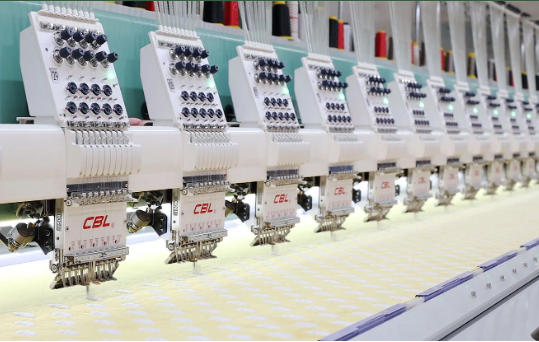
Modern plush toy manufacturing incorporates a variety of dyeing and printing techniques to achieve complex and detailed color effects. Traditional dyeing methods are commonly used for solid colors, ensuring deep and uniform saturation throughout the fabric. For more intricate designs, digital printing technologies allow manufacturers to apply detailed patterns, gradients, and character features directly onto the material. Heat transfer printing and sublimation are also widely used, particularly for adding logos or multi-color graphics with high precision.
Safety and Colorfastness Considerations
In addition to aesthetics, color customization must meet strict safety and durability requirements. Plush toys, especially those intended for children, must use non-toxic dyes that comply with international safety standards. Colorfastness is another critical factor, ensuring that colors do not fade or bleed during washing, handling, or prolonged exposure to light. High-quality dyeing processes help maintain the toy’s appearance over time, contributing to both product longevity and customer satisfaction.
Accessories and Add-Ons in Custom Plush Toy Manufacturing
Accessories provide an additional layer of customization, transforming a basic plush toy into a distinctive and interactive product.
| Category | Accessory / Add-On | Description | Function | Applications |
| Clothing and Apparel | T-shirts, hoodies, uniforms | Removable or stitched garments customized with logos or designs | Enhance branding and visual appeal | Promotional toys, brand mascots |
| Headwear | Hats, caps, helmets | Fabric or molded accessories attached to the plush head | Add character identity or theme | Character toys, themed collections |
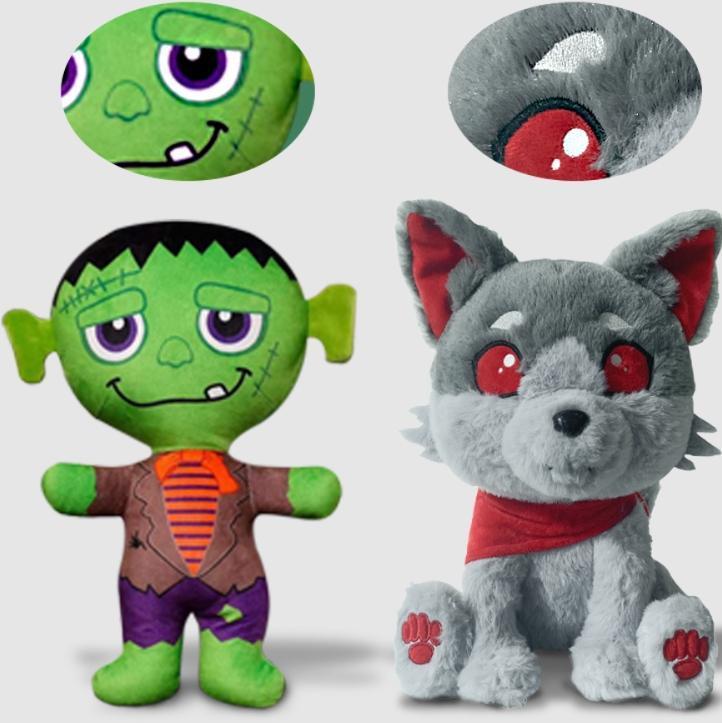
| Embroidered Details | Logos, names, patterns | Stitching directly onto fabric surfaces | Durable customization and branding | Corporate gifts, personalized toys |
| Printed Elements | Heat transfer prints, digital prints | Graphics applied onto fabric surfaces | Add detailed or colorful designs | Promotional plush toys |
| Sound Modules | Voice boxes, music chips | встроенные electronic devices activated by pressing | Provide interactive audio features | Children’s toys, talking mascots |
| Lighting Components | LED lights | Small embedded lights inside the plush | Create visual effects or interactivity | Novelty toys, nighttime companions |
| Accessories (Handheld) | Bags, tools, props | Miniature items attached or detachable | Enhance storytelling and play value | Character-based plush toys |
| Fasteners | Zippers, Velcro, buttons | Components used for opening or attaching parts | Enable removable parts or functionality | Interactive plush toys |
| Scent Add-Ons | Fragrance sachets | Inserted scented materials inside plush | Provide sensory experience | Comfort toys, gift items |
| Weighted Inserts | Beads, pellets | Added weight materials inside the toy | Improve tactile feel and stability | Therapeutic or sensory plush toys |
| Packaging Enhancements | Gift boxes, custom bags | Special packaging options | Improve presentation and perceived value | Retail and gift markets |
| Labels and Tags | Woven labels, hang tags | Branding or product information tags | Brand identification and compliance | Retail plush products |
The Integration of Customization Elements in Plush Toy Manufacturing
The integration of customization elements in plush toy production is a complex yet essential process that transforms individual design features into a cohesive and high-quality final product. Although each element, such as their size, fabric, color and accessory, can be customized per intellectual discretion, nothing would substantiate their judicious and credible juxtaposition without a moreover careful planning and coordinated realization of the right craftspeople.
1. Coordinated Design and Concept Development
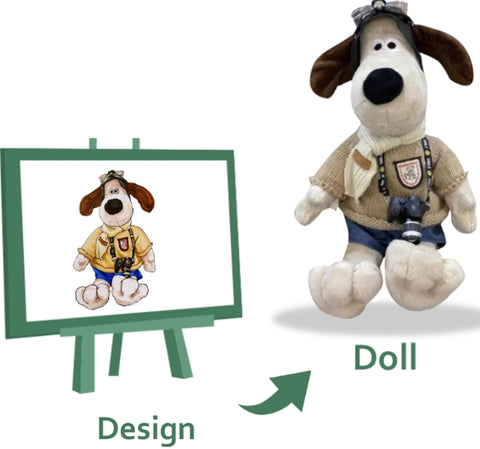
The integration process begins with the design concept provided by the requirements at the stage of design and for customization. Those will also pertain to fractional requirements of how the size of the objects would clash with fabric selections, colors will look while opting for various types of material, and how the accessories and auxiliary features would not compromise the ornamenting and safety of the ensemble. Digital designs in 3D are gaining popularity to give the stakeholders an idea of things before they start doing it themselves. Those tools allow the evaluation and improvement of all elements’ foresighted integration before actual production kicks off.
2. Material Compatibility and Selection
An important hurdle to integration from materiality perspective is material compatibility with customization attributes. Varieties of materials behave differently during the dying, printing, and embroidery operations. For instance, a soft fabric may lack the structural strength to support detailed embroidery, and certain attachments may necessitate reinforced stitching, contingent upon the material’s nature. Through selecting materials capable of bearing all the respective customization elements, both visual and functional effects can be realized.

3. Prototyping and Sample Validation
Prior to mass production, creators fabricate prototypes that allow for assessing the integration of all customization elements. It is a chance to assess size accuracy, color consistency, fabric characteristics, and accessory side placement. At the same time, factories can raise issues in the design, such as errors in raw materials, prints, portions missing, color inconsistencies, surface lumps, seam puckers, weak attachment points, or misaligned proportions. This early phase of the design can be fine-tuned to produce perfect samples worthy of evaluation so that final goods come out with exactly the design desired and in accordance with customer desire.
4. Manufacturing Process Coordination
Production will see parallel executions of various activities that necessitate excellent coordination. The list usually involves cutting, sewing, dyeing, printing, and accessory work, which might take place continuously or on separated locations, different verticals or establishments. Good coordination means all elements of the product respond to exact and proper specifications for such a sequence. That is, printing or embellishment is always done first, so-sewing begins, while accessories are attached together traced or after.
5. Quality Control and Consistency
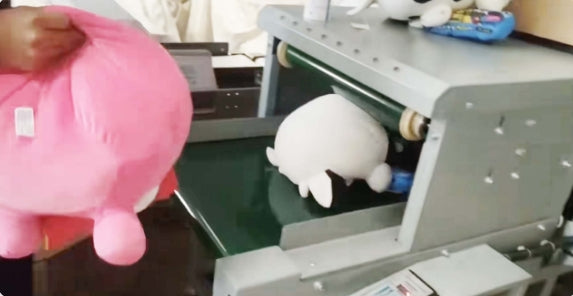
When talking about integrative manufacturing, product consistency for each of the large production rounds is the need of the hour. In order to achieve these goals, one must set a check and balance system where the quality is inspected for size, color, fabric and attachments for various accessories at each stage to meet amplitude. The quality control in plush toy manufacturing is not just visual verification and measurement; there are many other activities that ensure durability, consistency, and integration, which means the integrity of the product score and the protection of the name of the brand in a circle.
6. Safety and Compliance Considerations
When considering children’s apparel designs that are intended and produced carefully, established safety standards are required. The integration technique used means these components must be securely attached while compliant with regulations. Whether a zip, buttons, or electronic circuits may present potential safety hazards, they were to be attached securely and tested for safety. As far as raw material, the natural dyes used in the manufacturing of the color must comply with non-toxic standards, and the entire structure should operate within specifications and not degrade through routine use. Compliance testing is a key part of assembler monitoring, particularly for international markets.
7. Balancing Creativity and Manufacturability
While customization might allow for full creativity, this, too, must take competition with manufacturing constraints on a sane note. High complexity in designs and materials mixtures, e.g. can only go to push production costs, lead times, or defect content upward. Designers and manufacturers have to innovate to align the two goals without sacrificing subjectivity and calling for a cost-effective means of manufacturing.
Summary
For brands to be differentiated and engaged in an interaction with customers, customization in plush toys is no longer an option but a necessity. Different options for size, fabric, color, and other accessories are a vital platform where custom plush toy manufacturers can show to their customers their good quality and physically appealing products while at the same time sailing unilateral to the fulfillment of specific goals, such as target marketing. The more the market demands uniqueness and personalization, the more advantageous it is to be flexible with an excellent presentation of the customized high-quality items in plush toys industry.