
Custom Plush Toys for Baby and Infant Markets
Plush toys serve as comforting companions which promote development in early childhood while establishing emotional bonds. Custom plush toys provide manufacturers and retailers who serve the baby and infant markets with a special chance to differentiate their brand through products that meet the safety requirements and soft texture standards while matching the wants and creative needs of young children.
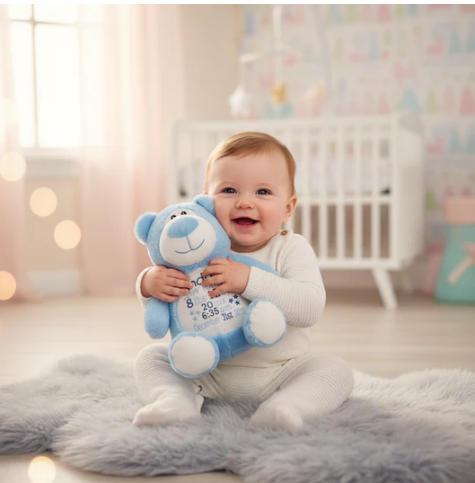
Why Custom Plush Toys are Ideal for Babies and Infants
1. Safety Comes First
Infant safety stands as the highest priority. Custom plush toys enable manufacturers to create products that use safe materials and secure design elements. The combination of soft non-toxic fabrics and securely stitched seams with embroidered features creates a product that prevents choking hazards for babies during playtime and cuddling. Through plush toy customization, brands achieve safety compliance with EN71 and ASTM F963 standards for all components used in their custom plush products which helps parents feel secure about their purchase.
2. Soft and Gentle for Delicate Skin
The precise texture and softness of a toy hold crucial significance for babies and infants whose sensitive skin needs special protection. Custom plush toys use ultra-soft hypoallergenic fabrics which include organic cotton and baby-safe polyester to create a gentle touch that safeguards delicate skin while providing comfort. Plush materials create a safer environment for children because they do not produce the same risk of scratches as hard or rigid toys.
3. Lightweight and Easy to Handle
Infants require toys that match their developing motor skills because heavy or rigid toys prevent them from learning how to grasp objects. Custom plush toys function as lightweight products which designers built for small hands so babies can hold and cuddle them without experiencing fatigue. This process helps children develop their hand-eye coordination skills while strengthening their ability to control their movements during their early stages of development.
4. Designed for Developmental Needs
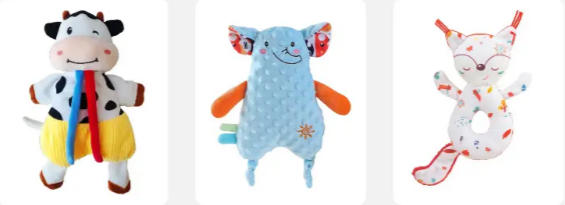
Custom plush toys enable designers to create products that build sensory skills and cognitive abilities. Manufacturers can create products which provide multiple touch and sight and sound elements to stimulate these three senses. A plush toy can include crinkly material as part of its design elements which create interactive sound for users.
5. Emotional Connection and Comfort
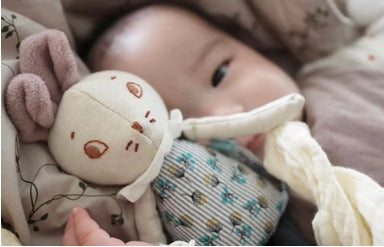
Plush toys serve as more than entertainment—they offer emotional support. Babies and infants often form attachments to soft toys, which can provide comfort during sleep, separation from parents, or new experiences. Customization enables the creation of unique, recognizable characters or designs that resonate with children, making the toy a cherished companion.
6. Branding and Personalization Opportunities
For businesses, custom plush toys offer a way to differentiate products in a crowded market. Personalization options such as embroidered names, themed characters, or branded designs make plush toys memorable gifts for newborns and toddlers. This not only boosts brand recognition but also allows products to carry sentimental value, appealing to parents and gift-givers alike.
Key Considerations in Designing Custom Plush Toys for Babies
Designing custom plush toys for babies and infants requires a great deal of creativity on top of the topmost criteria concerning safety, utility, and educative value. Everything matters in deciding the design path for the toys: the exact nature of materials, precisely what size, how to give it sensory crime, and how to give it washable characteristics, everything is critically capped, allowing utmost care to be lodged against safety matters alongside entertainment.
1. Material Safety and Quality
Material is altogether the most significant consideration going into a plush toy. Babies have very sensitive skin and tend to put all toys into their mouths. The squidgy toys must meet certain critical financial standards such that the materials used must be hypoallergenic, safe and soft to the baby. It is prudent to select the highest quality materials, be it in the form of organic cotton, velour, or minky fleece that shall never cause the baby any harsh feeling on his tortoiseshell. They have that very first sensation of being hand-cut, soft, and durable, which gives them a loyal item of daily interest. Very importantly, plush fabrics should be free from any harmful chemicals; colors must remain well consistence on soft fabrics after washing. On the other hand, some stuffings may be equipped with some hard-to-find “special” stitches and extra reinforcing. Reaffirming that the pride of its parts is that they all meet safety regulations such as EN71 and ASTM F963 promotes the confidence of the parents.
2. Size and Ergonomics
For customized plushies, fabric should be sized carefully for infants to be able to hold and cuddle. Lightweight toys are preferred by babies, and heavy toys could be more difficult for babies to hold, overwhelming or dangerous to them. Toys should be designed for ergonomic features so that infants can interact with the toys comfortably while moving; this includes flexible limbs, padded surfaces, and squeezable shapes ideal for a baby to grab.
3. Sensory and Developmental Features
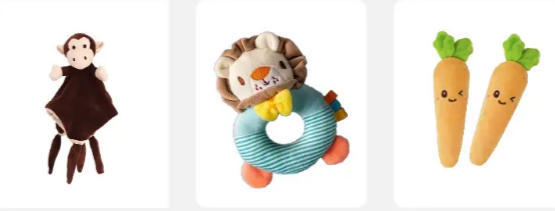
A plush toy, configured on demand, may provide sensory elements that will enhance early sensory developmental milestones. Patterns, soft textures, crackling fabrics, sensitive rattles, or gentle squeakers are supported by a toy to encourage tactile exploration and hand-eye coordination. What is more, there are also color or simple patterns that are visually interesting for the baby to look at and focus on. Finally, toys offering audiological input to the ears are intended to heighten baby’s listening skills. The intentional use of all or a combination of these will transform a toy from merely being cuddly to a universally sensory tool of learning and play.
4. Washability and Maintenance
Hygiene is a concern for those handling baby products. For plush toys, cleanliness should always be given importance, and it should be designed such that ease in cleaning is always assured. Should it be possible for any type of plush toys to be washable in a washing machine, or whatever; there should also be provisions for stuffing to be removed. Should a plush toy be ruined when being washed, it says something terrible against that so-called toy. Therefore, strength should be of utmost priority: only durable materials for the fabrics should be used and there should be no sign of the fabric disintegrating after a couple of washes. This ensures an increase in the lifespan of the toyoid and therefore further enhances likability.
5. Emotional Connection and Personalization
Babies may grow attached to their toy plushies and give them security comforts. Personalized symbols such as ridiculously drawn names, odd characters, beautiful themes, further their emotional value and spur memories about them. Personalization deems them in demand for gifting, thereby giving the plush toys more bullish sentimental value as this gesture is what parents and gift givers also wish to appreciate.
6. Compliance and Certification
Finally, ensuring compliance with international toy safety standards is crucial.
This chart highlights the main certifications and safety standards for plush toys that the products for babies are safe, non-toxic, and legally compliant for international markets.
| Certification / Standard | Purpose | Key Requirements | Relevance to Plush Toys for Babies |
| EN71 (Europe) | Ensures toy safety in the European market | Tests for mechanical/physical properties, flammability, chemical content, and heavy metals | Guarantees plush toys are free from harmful chemicals, safe stitching, and suitable for infant use |
| ASTM F963 (USA) | Safety standard for toys sold in the U.S. | Includes testing for small parts, sharp edges, toxic substances, and flammability | Ensures toys are safe for mouthing, chewing, and handling by babies |
| CE Marking (Europe) | Confirms compliance with EU safety regulations | Toy must meet EN71 and other relevant EU directives | Required for legal sale in the European market; assures parents of safety compliance |
| ISO 8124 (International) | Global standard for toy safety | Covers mechanical, chemical, and flammability safety requirements | Provides internationally recognized assurance of toy safety for babies |
| CPSIA (U.S.) | U.S. regulation for children’s products | Limits on lead and phthalates; mandatory tracking labels | Ensures plush toys are free from toxic materials and traceable for quality control |
| OEKO-TEX / GOTS (Optional) | Certifies textiles as safe and eco-friendly | Tests for harmful substances and sustainable production | Important for parents seeking hypoallergenic, non-toxic, and environmentally friendly plush toys |
Customization Trends in Markets of Baby and Infant Plush Toy Trends
1. Custom Design and Embroidery
Creating personalized infant plush toys has intensified as technology has enabled intuitive computer programs to help embroidered custom messages and designs onto clothing. Custom designs now can be had in mere hours on manufacturers’ websites.
Plush toys, satining infant gifts for a baby’s sleep, can be personlized if permitted when requested. A bunch of categories that show personalization in the baby industry, including jewelry: a pram/crib toy or portrait pendant. Chances are the toys’ companies are allowed to take credit for names, because children take a powerful child-parent bond with products holding their child’s name. Personal branding almost guarantees that the child will fall in love with that toy for years[,] placing the toy in the treasure box, according to this theory.
2. Character Licensing and Themed Plush Toys
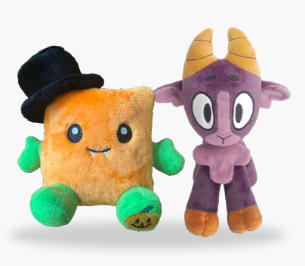
Another trend is the use of official characters or themes in plushie toys. Really, storybook characters, cartoon personalities, or film personalities are already recognized to generate immediate acknowledgment and emotional attachment among children. Toys with themes, animals, monsters, or nursery and playroom accessories, let children learn to engage in imaginative play. Customization in this domain gives brands the chance to develop special product lines that claim commercial success with both children and their parents.

3. Sensory and Interactive Elements
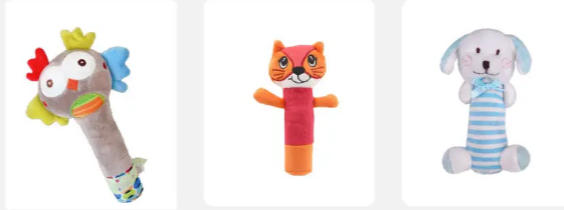
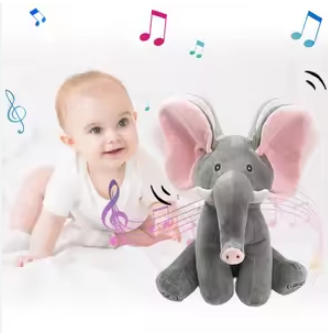
Modern plushie toys designed for infants seem to incorporate sensory and interactive capabilities. Textured materials, soft rattles, crinkly materials, and bright or eye-catching colors which stimulate the tactile, auditory, and visual sensory faculties encourage developments in thinking and motor skills thereby. Accordingly, custom options allow the producer to mix an amount of these features with particular shapes, colors, or characters that appeal to a target audience while promoting experimentation and learning.
4. Eco-Friendly and Safe Raw Materials
The need for sustainability and safety encourages designing baby soft toys for customized creation. For instance, many customers would want toys that are made of organic fabric, have hypoallergenic fillings, or are dyed non-toxic. By customization, several brands are able to fulfill this expectation showing care for the environment and health conscience. Environmentally friendly raw materials in product fabrication add value to the child. This will attract parents who tend to go safe and sustainable for their little baby.
5. Limited Editions and Collectibles
Limited edition custom plush toys are becoming quite popular since parents and other gift givers seek attractive and unusual items. Customization is thus used to isolate these options to be manufactured in small numbers on themed or seasonal basis that hold some value of exclusivity. Because of the emotional sense of attachment with the item, this makes them collectible, thus fostering further purchases while continually committing to a brand.

Key Factors to Consider for Choosing a Reliable Custom Manufacturer of Baby and Infant Plush Toys
This chart helps brands and retailers choose custom plush manufacturers effectively, ensuring that the chosen partner can deliver safe, high-quality, and customizable plush toys for babies and infants.
| Key Factor | Description | Why It Matters |
| Safety Compliance | Manufacturer must comply with international safety standards (EN71, ASTM F963, CPSIA, ISO 8124) | Ensures plush toys are safe for infants, reducing risk of accidents or chemical exposure |
| Material Quality | Use of hypoallergenic, soft, durable, and non-toxic fabrics and fillings | High-quality materials provide comfort, safety, and longevity for the toy |
| Customization Capability | Ability to offer embroidery, personalized designs, themed characters, or sensory features | Supports unique and marketable products tailored to parents’ preferences |
| Production Capacity and Lead Time | Manufacturer can handle orders of varying sizes and meet delivery deadlines | Ensures consistent supply and timely fulfillment of custom orders |
| Experience and Expertise | Knowledge of baby toy safety, infant product design, and regulatory compliance | Reduces the risk of defects and ensures toys meet developmental and safety requirements |
| Quality Control and Inspection | Rigorous testing for stitching, seams, materials, and final product inspection | Maintains product consistency and minimizes defective or unsafe items |
| Eco-Friendly Practices | Use of sustainable, organic, or environmentally safe materials | Appeals to eco-conscious parents and enhances brand reputation |
| Communication and Support | Manufacturer provides clear communication, design support, and responsive service | Simplifies the customization process and ensures alignment with brand expectations |
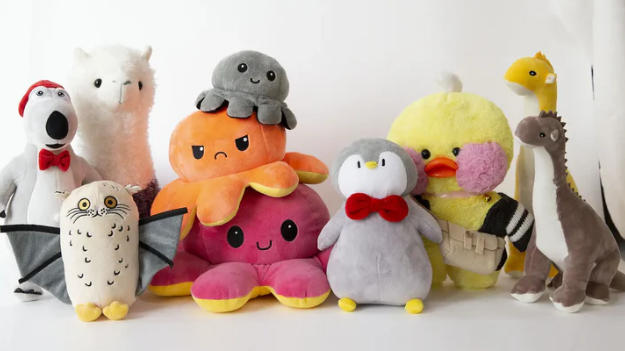
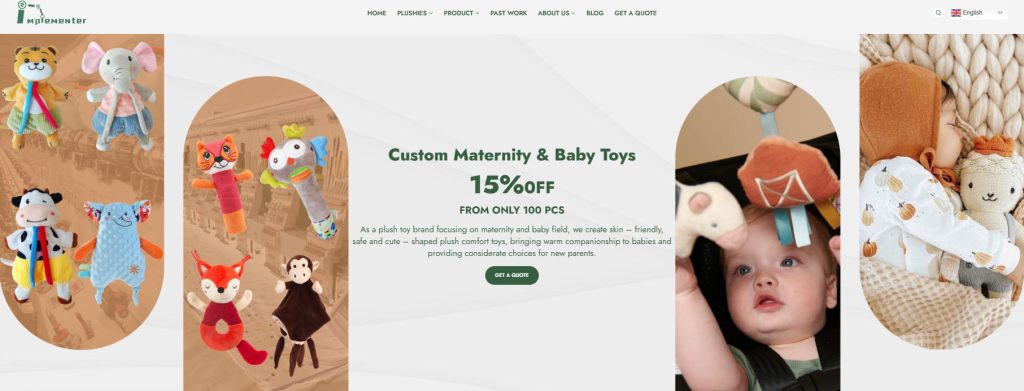
Implementer came into sight as a reliable manufacturer, focused on custom plush toys specially designed for babies and infants. Implementer guarantees the toys’ manufacture in a safe, qualitative process through innovative designs with materials that come soft, non-toxic, and hypoallergenic, complying with international safety standards like EN71 and ASTM F963. Implementer is, therefore, able to help both brands and retailers in the creation of unique and engaging plush toys that are essentially baby-friendly…comforting, lovable, and resourceful. Subtle extras may be offered like eco-friendliness, sensory features, etc.
Final Thoughts
Custom plush toys for babies and infants represent the perfect blend of safety, development, and emotional comfort. By focusing on material quality, design and personalization, manufacturers can create products that appeal to both children and parents.