
Custom vs. Licensed Book Character Plush: How to Make a Choice
Book character plush toys have really grown in popularity, it helps people bring beloved stories into the real world. From classic children’s literature figures to modern illustrated heroes, plush versions let readers feel closer to the fictional folks beyond the page. Still, when you are creating or buying a plush toy that comes from a book character, you will face one key decision: Do you go with a custom book character plush or a licensed book character plush? Each type has its own strong points and limits. The best option usually depends on things like budget, what the design has to look like, intellectual property rules, production plans, and also who will be using it.
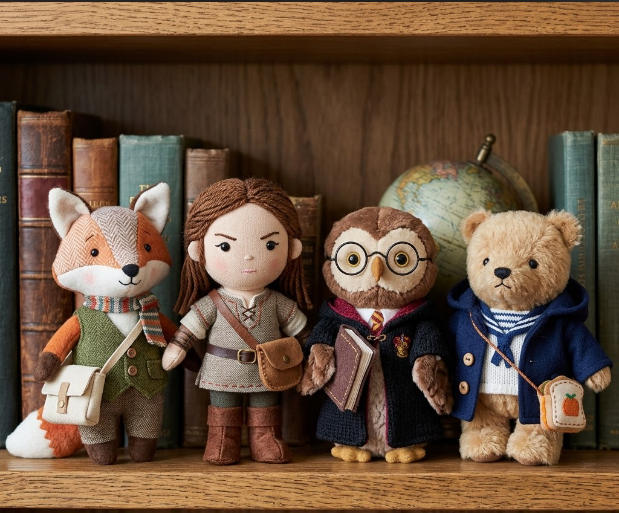
Understanding Custom Book Character Plush
Custom book character plush is basically a plush toy made to match a special design brief. That design can come from an original idea, artwork that you provide, or specific customer wishes. You commonly see this approach with independent authors, smaller publishers, teachers, and even companies that need a one of a kind character depiction.
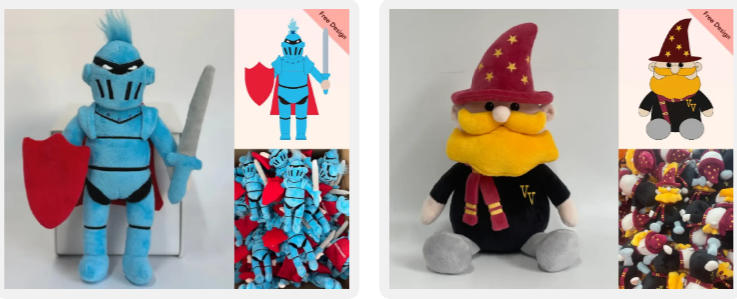
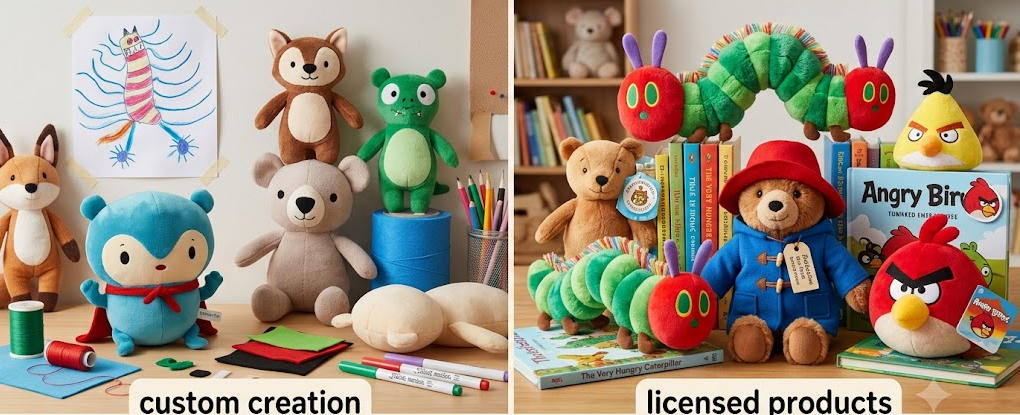
Custom plush production lets creators turn their own sketches or made-up characters into real, touchable toys.
Advantages
Complete Design Flexibility
The big advantage of custom plush is that you get creative freedom. A designer can set every small detail, like character shape and size, fabric choices, color and pattern, facial expressions, etc. It also means you can tweak the vibe without getting stuck in a fixed template.
Packaging Design
Because of this flexibility creators can end up with plush toys that match their vision, really closely, not just in general terms. Even the packaging can follow the same aesthetic and tone.
Ideal for Independent Authors and New Brands
Custom plush is especially useful for writers who invented original characters for their books. A distinctive plush toy can reinforce brand identity and open extra merchandise paths. For independent storytellers, plush toys can become a strong way to extend a book series into a wider character brand.
Lower Barriers to Production
Custom plush products usually do not need permission from an external copyright owner when the maker actually owns the character rights. That makes the whole development flow easier a bit, and it also gives more control over what happens during production decisions.
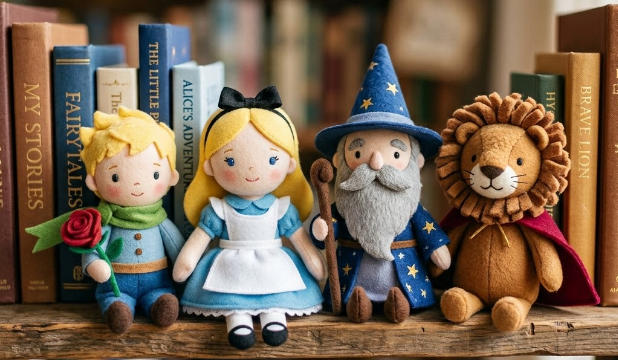
Limitations
Requires Strong Character Appeal
Since custom characters might not be widely known yet, creators have to build effective marketing approaches to get attention from audiences. A unique look by itself might not turn into sales, if there is no strong narrative, steady promotion, and real customer engagement
Development Requires More Planning
Making a custom plush means several steps, like idea refinement, sample creation, choosing materials, revising prototypes, and coordinating manufacturing. It can demand more effort than just buying an already existing licensed product. In practice it can also take longer, and that matters
Initial Investment Can Be Challenging
Custom plush production usually comes with minimum order quantities, and that makes it harder for individuals or small businesses with tight budgets, to move forward.
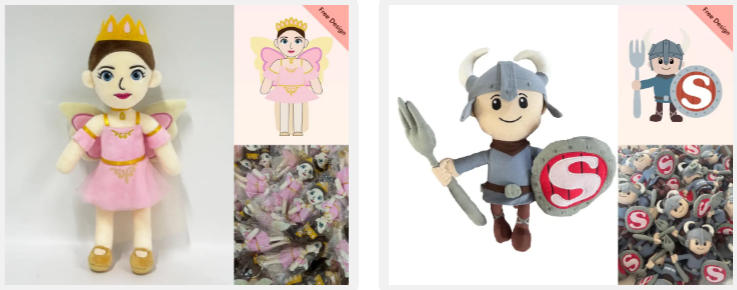
Understanding Licensed Book Character Plush
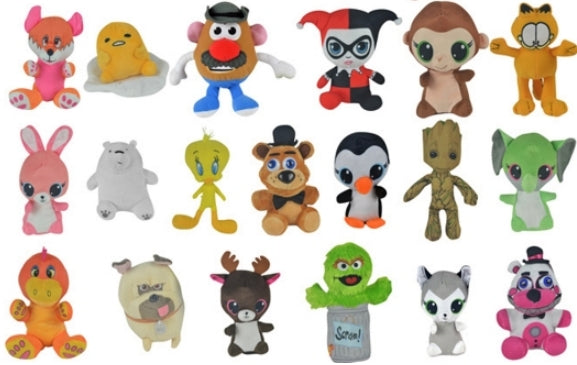
Licensed book character plush is plush toys made with official permission from the copyright holder, publisher, author, or brand manager. These items are based on already established characters and they must adhere to licensing terms that spell out design expectations, manufacturing needs, and promotional limits. A lot of popular book characters have turned into true brands, with loyal fan circles attached. With licensed plush toys, fans can get officially approved versions that lean closely toward the original artwork and the core story ideas.
Advantages
Strong Brand Recognition
One of the biggest benefits of licensed book character plush is that you get immediate recognition, with famous characters showing up right away. A plush toy made around a popular story character already carries an emotional tie for readers, which makes it easier to draw in buyers in the first place.
For children, seeing a familiar character from a favorite book can spark excitement, and it naturally supports make-believe games. For collectors, licensed plush items often become meaningful pieces, like an extra page you can hold.
Consistent Quality and Authenticity
Licensed products usually mean manufacturers must follow clear quality standards. The copyright holder often checks prototypes, plus the fabrics, the colors and the whole production process. That review, and the ongoing control helps keep the final plush true to the original character. Customers tend to trust it more, because they know they are getting something authentic.
Easier Marketing and Sales
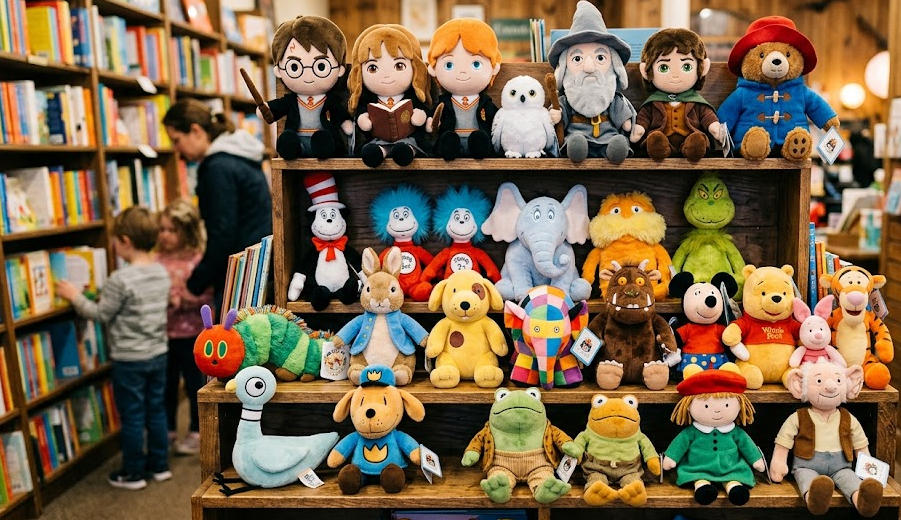
Established book characters already have an audience. So publishers, bookshops, and retailers can push licensed plush items beside the books, and in that way there are more chances to cross-sell. A child who likes a certain story may naturally want a plush version of the character, and that can boost the product appeal in a pretty direct way.
Limitations
Higher Production Costs
Licensing fees plus royalty payments can really raise the cost of making licensed plush toys. Manufacturers or businesses may need to pay upfront fees, then keep paying ongoing royalties tied to sales. Because of these extra expenses, licensed plush products can end up pricier than custom alternatives.
Limited Creative Freedom
Licensed plush toy designs usually have to match strict brand rules. Manufacturers cannot freely adjust a character’s look, wardrobe, or special features, not unless they get permission first. This makes it harder to craft a one off interpretation, or try experimental designs that do not fully match the original.
Complex Approval Processes
Getting licensing permission can become a pretty long trail of back-and-forth negotiations, paperwork contracts, and approval routines that seem to drag. For smaller firms or independent creators, these requirements can end up building obstacles to entering the market, like a locked gate.
Key Differences Between Custom and Licensed Book Character Plush
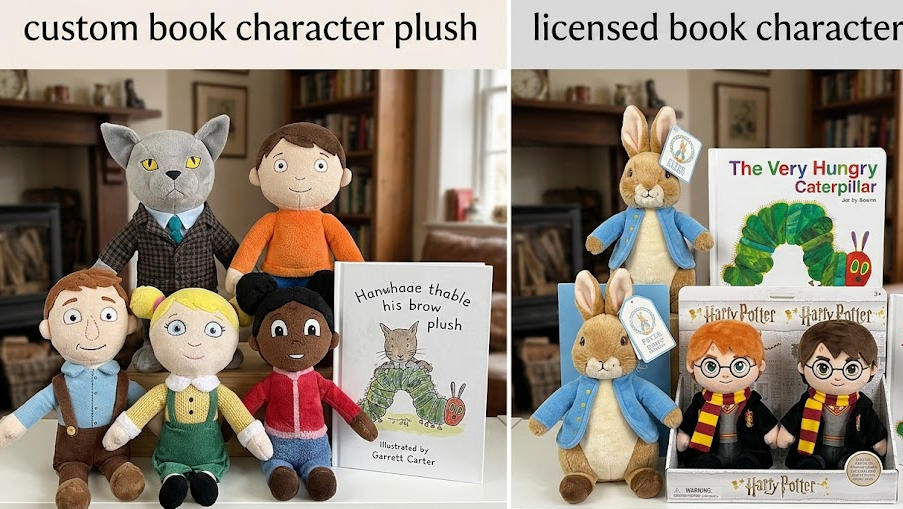
| Factor | Custom Book Character Plush | Licensed Book Character Plush |
| Design Freedom | Offers complete creative control over character appearance, size, colors, materials, and accessories | Must follow official character guidelines and licensing requirements |
| Brand Recognition | Requires building awareness through marketing and storytelling | Benefits from existing popularity and established fan bases |
| Intellectual Property Ownership | Usually owned by the creator, author, or brand developer | Controlled by the copyright holder, publisher, or licensing company |
| Production Process | Allows flexible development and customization based on specific needs | Requires approval processes for designs, prototypes, and final products |
| Cost Structure | Costs depend on customization level, materials, and production quantity | Usually includes licensing fees, royalties, and higher approval-related expenses |
| Marketing Effort | Requires more investment in promotion and audience development | Easier marketing due to existing character popularity |
| Target Audience | Suitable for independent authors, new brands, educational projects, and original stories | Ideal for collectors, retailers, and fans of well-known characters |
| Uniqueness | Creates exclusive products that stand out in the market | Offers familiar designs that match customer expectations |
| Production Flexibility | Can adjust designs quickly according to customer feedback | Changes are limited by licensing agreements |
Key Considerations for Choosing Between Custom and Licensed Book Character Plush
Figuring out these considerations can help authors, publishers, retailers, and businesses make better choices when entering the character merch market. In a way, it becomes easier to decide what to do and why, even if the process feels a bit complicated.
1. Understanding the Purpose of the Plush Product
First thing to look at is the point of making the plush toy. A book character plush can play various roles depending on the aims of the creator or business.
If an author has built original characters, a custom plush can help turn those fictional creations into something people can actually hold. It also gives a chance to deepen that link between readers and the character, while opening an extra earnings channel beyond just book sales.
Meanwhile, licensed book character plush is often used when the goal is to provide merchandise tied to an already known character. These items usually ride on the character’s existing fame and are crafted for fans who already have a strong emotional attachment to the story.
Setting the goal for that plush item is kind of the first thing that guides the choice, because it helps you see whether freshness matters more, or if already-known recognition is the bigger deal
2. Considering Intellectual Property Ownership
Intellectual property rights are a major factor when you compare custom plush with licensed plush. Custom plush is usually built around fresh, original characters where the rights sit with the creator, the author, or the company. This usually means the owner gets more leverage over the design direction, production approach, and later expansion of what can be sold
Licensed plush uses characters that are protected by copyright or trademark law. In that case manufacturers and businesses must secure permission from the rights holder before they can make and market the plush. A licensing agreement often lays out the boundaries, like how the character may appear, what places can carry the product, and what parts of the brand can be used
So if you are a creator who cares about long-term ownership and maneuvering room, crafting custom plush using original characters may end up carrying more planning value, even when the work feels bigger upfront.
3. Evaluating Creative Control and Design Requirements
When you’re thinking about creative control and what the design actually needs, the freedom you want is a big deal. With a custom book character plush, designers can oversee every part of it, like how it looks, facial expressions, what it wears, fabric choices, and even added features.
That flexibility really helps when someone is taking a drawn character and turning it into something three-dimensional. Certain book characters can have oddly shaped forms, unexpected outfits, or more imaginative details that basically demand specialized making methods.
On the other hand licensed plush products usually have to follow the approved look very closely. That rule keeps the character consistent but it can also reduce chances to change things up or apply your own interpretation.
If a business is focused on novelty, personalization, and making something distinct, custom production tends to fit better. If the goal is to stay close to the original character and prove authenticity, licensed options are often the better match.
4. Comparing Costs and Investment Requirements
Budget should be treated as a real factor when you pick a plush production method. Going with custom plush development means you’re paying for character design adaptation, prototype creation, sampling rounds, and the manufacturing prep steps. Even if there are no licensing fees in that pathway, the early development spend can still shift, usually based on how complex the design is and how many units you plan to make.
Licensed plush, on the other hand, often brings extra overhead. That can include licensing payments, ongoing royalties, and extra approval processes. These expenses can push the final product cost upward, but they are usually offset by the benefit of selling a recognizable character.
A business should weigh whether the expected market demand truly supports the higher licensing costs, or if putting that money into an original character is the stronger route for long-term returns.
5. Understanding Market Demand and Audience Expectations
Customer expectations really drive whether book character plush stuff works or not. Licensed characters usually come with built-in audiences, because readers already recognize them and feel fond of the stories. Fans might buy plush toys as collector items, as gifts, or even as a little reminder of their favorite plot.
Custom characters take more effort, because you have to build awareness first. Still, original characters can grow a meaningful attachment when the writing is engaging, when promotion is well planned, and when the brand keeps being developed in a consistent way.
For new authors and independent creators, custom plush can help form a distinct identity. If it is an established franchise, licensed plush can satisfy existing customer interest more efficiently.
6. Considering Production Timeline and Approval Processes
About the production timeline and approval processes, it can get messy if you do not plan ahead, and you do not set clear checkpoints for review.
The development timeline can jump around a lot when it is custom plush versus licensed plush projects. Custom plush production normally goes through concept development, prototype creation, sample approval, and then manufacturing. Even if this workflow needs solid planning, creators usually get more grip over how decisions get made, and when.
Licensed plush production can bring in extra review steps, because the copyright owner has to sign off on the designs and check that the brand stays consistent across the board. Those checkpoints can stretch the schedule longer than expected.
For companies with strict launch schedules, it’s worth thinking early about how much time is actually open for product development and review, before moving too far ahead.
7. Choosing the Right Manufacturing Partner
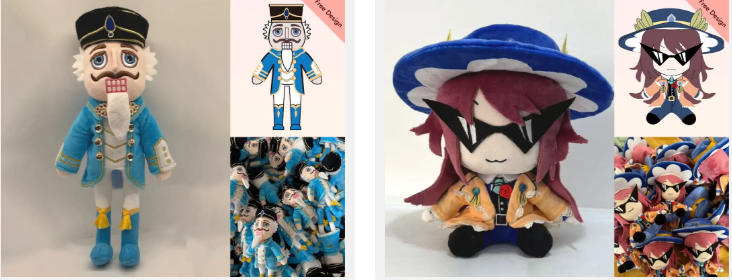
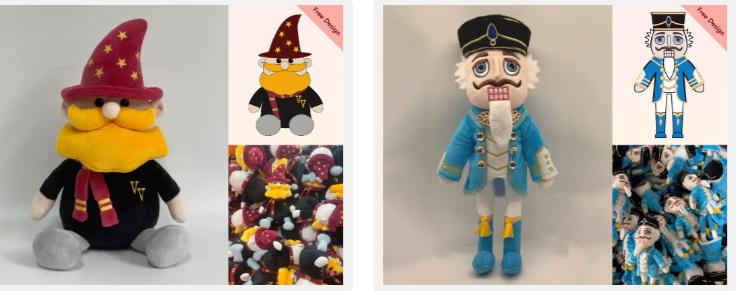
The outcome for both custom and licensed book character plush will lean heavily on picking a manufacturing partner with real experience. A powerful custom plush manufacturer can help turn an idea or an illustration into a finished product that feels polished and high quality.
For custom plush projects, manufacturers need solid abilities in reading the artwork, producing proper prototypes, choosing fitting fabrics, and keeping the character’s small details safe during production. For licensed products, manufacturers also need to grasp quality benchmarks and compliance obligations, not just the visual part.
A dependable partner can raise the overall product quality, lessen production hazards, and make sure the finished plush matches what customers expect.
Implementer can transform one-off story characters into high-quality, highly detailed book character plush. With real design guidance, advanced manufacturing options, and thorough quality control, Implementer supports authors, publishers, and brands to bring their characters out of the pages and into real life. From prototype creation through large-scale production, every plush is made to satisfy the creative needs while still delivering comfort, long life, and clear visual charm.
8. Considering Brand Growth and Future Opportunities
A plush toy should not just be looked at like one standalone item, but also as a part of a bigger brand approach. Custom plush can help creators shape a whole little character universe, so that later on there is room to grow into extra books, more toys, educational products and collectible pieces.
Licensed plush, on the other hand, can reinforce an already existing franchise by giving fans more touch points with characters they already know. It also opens the door for cross-promotion between books, entertainment, and retail spaces, which can really help reach more people faster.
This call should be based on today’s needs, but also on the chances for future expansion.
9. Balancing Originality and Recognition
So yeah, deciding between custom and licensed book character plush is mainly about trying to keep a balance, between being original and still getting that market recognition. With custom plush you get freedom, more room for creativity, and you actually own what you make, which is perfect if someone wants to invent their own character in the first place. Licensed plush feels a bit more familiar, it brings trust, and it can pull in attention right away because people already know the franchise, so it works well for companies that are partnering with well known stories.
Neither option is automatically better, really. The real answer depends on what you are trying to do, what resources you have, and who your audience is.
Summary
- For independent authors, educational projects, and emerging brands, custom book character plush often provides greater long-term value. It allows creators to build their own intellectual property and develop a unique connection with audiences.
- For retailers, collectors, and businesses targeting established fan groups, licensed book character plush may offer stronger sales potential because customers already recognize and trust the characters.
Final Thoughts
In the end, both custom and licensed book character plush can be a meaningful chance for creators, businesses, and collectors. The key part is deciding if the main goal is using an existing character brand or building up a new one from nothing. Once the differences are clear, it becomes easier for creators and businesses to select the book character plush products that best fits their objectives, and their audience’s needs.