
How Minimum Order Quantity(MOQ) Affects Custom Mascot Pricing
Custom mascots are widely used by businesses, schools, sports teams, event organizers, and promotional brands to strengthen brand recognition and engage audiences. Whether a company needs a mascot costume, a plush mascot toy, or a collection of branded mascot products, understanding the factors that influence pricing is essential for managing the project budget. One of the most important factors is Minimum Order Quantity (MOQ).
MOQ means the lowest number of units a manufacturer is willing to produce in a single order. For custom mascot products, MOQ can affect the unit price, how much money you pay up front production efficiency, and overall cost-effectiveness. Understanding how order quantities influence pricing helps buyers make informed decisions and find the right balance between product quality, customization, and budget.
Why Minimum Order Quantity is Important for Custom Mascots
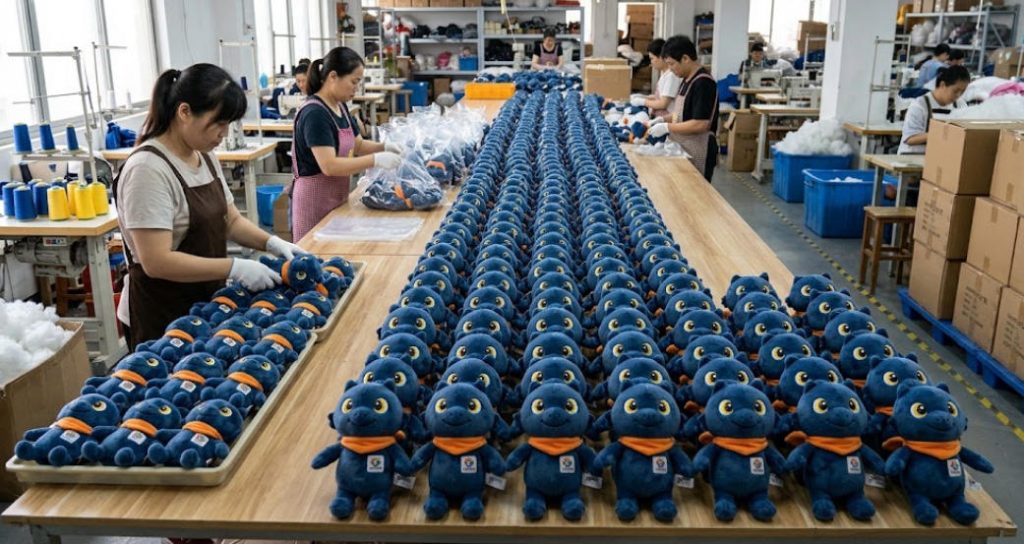
Minimum Order Quantity is the smallest amount of custom mascot products a buyer must order at one time. The number can vary by what you are buying. It also depends on how hard the design is. Materials matter too. The way the item is made matters as well. A supplier’s production skills can shift the MOQ as well.
For instance, a custom plush mascot manufacturer may set the MOQ at several hundred pieces. That is because fabric cutting and embroidery still need to line up. Sewing, stuffing, and packaging also rely on a steady workflow.
A custom mascot costume can be different. Costumes often need more hands-on work. They may also need more changes for each order. Because of that, the MOQ can be lower.
MOQ also shifts with the level of custom work. A basic mascot with standard parts and common materials can be produced in higher volumes. A mascot with odd shapes, extra colors, special fabric, or detailed add-ons can take longer to prepare. Those steps can push the MOQ up.
Before you place an order, ask what the MOQ applies to. Is it per design? Per color? Per size? Or per product group? This matters a lot for teams that want more than one mascot variation.

How MOQ Affects the Unit Price of Custom Mascots
The relationship between MOQ and unit pricing is one of the most important considerations when purchasing custom mascot products. In many cases, increasing the order quantity reduces the average cost per unit because manufacturers can distribute fixed production expenses across more products.
1. Spreads Initial Setup Costs Across More Units
Custom mascot production often involves initial expenses such as design development, sample making, pattern creation, mold preparation when applicable, and production equipment setup. These costs often stay about the same whether you order a little or a lot.
When a client asks for just a few mascot items, the initial setup expenses get spread across a small number of pieces. If the customer places a bigger order, the same setup work applies to more units. That lowers the cost on a per item basis.
Say a manufacturer pays $600 for initial setup. For 10 pieces, that works out to $60 per unit. For 100 pieces, it becomes $6 per unit. These numbers only show how setup fees are allocated. They do not cover materials, labor, or other production costs.
Because of this, many manufacturers can offer lower per unit prices for larger custom mascot orders.
2. Reduces Material Procurement Costs
Materials make up another major part of custom mascot pricing. A custom plush manufacturer might need fabric, foam, stuffing, embroidery thread, small parts, printed tags, or packaging supplies. What is needed depends on the mascot design.
Bigger orders let manufacturers buy materials in larger lots. That can help them get better pricing from suppliers. It can also reduce waste, since they can lay out and cut several pieces in the same run.
For instance, making 500 identical plush mascot toys may let a factory buy fabric in bigger quantities and waste less than making only 30.
Still, bulk buying does not always mean a lower price. Some fabrics cost a lot by default, imported supplies can stay expensive, and rare colors or small-batch components can raise the total even when the order is large.
3. Improves Production Efficiency
Production efficiency affects the final price of custom mascots. In a large batch of the same item, workers can repeat the same steps. They also keep settings steady and spend less time switching between different designs.
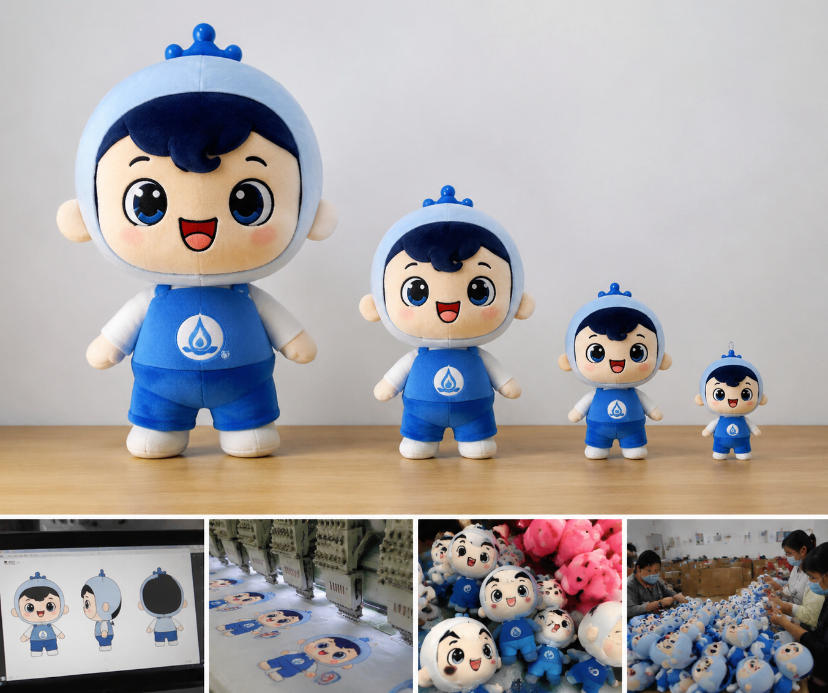
For plush mascot toys, the work often includes cutting fabric, sewing, embroidery, stuffing, putting parts together, and checking finished quality. Larger runs make it easier to arrange the steps in a smooth sequence.
For custom mascot costumes, though, some parts take a lot of hands-on time. That can include sculpting, fitting, fine finishing, and careful assembly. Because of that, raising the order size may cut unit costs, but not as sharply as it would for simpler, standardized products.
The size of the savings depends on what can be repeated in a consistent way.
4. Lowers Packaging and Shipping Costs Per Unit
Order size can also change packaging and transport costs. If a manufacturer orders packaging in higher quantities, the price per unit may drop. A larger shipment can also spread some handling work and freight costs over more products.
For example, one shipment of 200 mascot plush toys can cost less per toy to transport than sending several small orders during the same time period.
Buyers should separate production expenses from delivery expenses. Big mascot costumes take up more room to ship. International shipping also changes based on weight, size, where it goes, and how it is sent. Customs charges and taxes can shift too.
A cheaper unit price from the factory does not always lead to the best landed cost.
How Different MOQ Levels Influence Custom Mascot Pricing
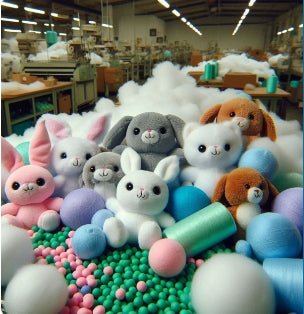
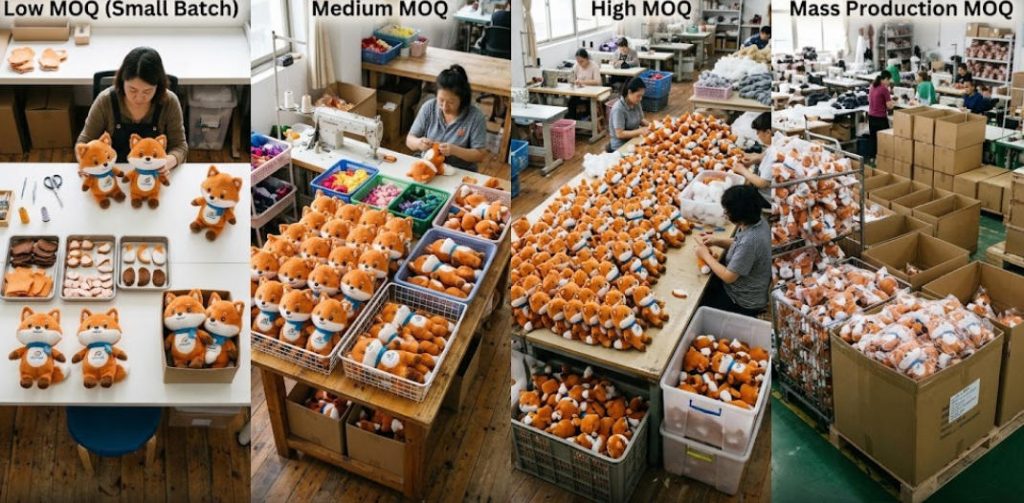
The following table illustrates common differences between small, medium, and large custom mascot orders. The quantity ranges are examples rather than universal manufacturer requirements.
| MOQ Level | Typical Order Quantity | Unit Price | Initial Investment | Advantages | Best Suited For |
| Low MOQ | 1–50 pieces | Highest per unit | Low | Flexible ordering and limited inventory risk | Samples, small businesses, and limited promotions |
| Small-Batch MOQ | 51–100 pieces | Relatively high | Low to moderate | Suitable for testing market demand | Schools, local events, and small campaigns |
| Medium MOQ | 101–500 pieces | Moderate | Moderate | Better material utilization and production efficiency | Corporate events, brand promotions, and regional campaigns |
| High MOQ | 501–1,000 pieces | Lower per unit | High | More efficient batch production and bulk purchasing | Retail distribution and large marketing campaigns |
| Bulk MOQ | 1,000+ pieces | Often the lowest per unit | Highest | Greater economies of scale and more standardized production | Large brands, wholesalers, and nationwide campaigns |
These quantities are illustrative examples, not universal industry standards. Actual MOQ requirements and pricing depend on the manufacturer, mascot type, design complexity, materials, customization options, and production process.
Key Factors Affecting Pricing at Different MOQ Levels
| Pricing Factor | Low MOQ Impact | High MOQ Impact |
| Setup and sampling costs | Higher cost per unit when spread across fewer products | Fixed costs can be distributed across more units |
| Material procurement | Smaller purchases may have higher material costs | Bulk purchasing may reduce material costs |
| Labor efficiency | More setup time per unit and fewer production efficiencies | Repetitive tasks can improve production efficiency |
| Design customization | Complex designs can make small orders expensive | Repeated production may lower unit costs for the same design |
| Packaging costs | Custom packaging may cost more per unit | Bulk packaging orders may reduce per-unit costs |
| Inventory risk | Lower risk of unsold products | Higher risk if demand is overestimated |
| Cash flow | Lower upfront financial commitment | More capital tied up in inventory |
Request quotations at several order quantities, such as 100, 300, and 500 pieces. Compare both the unit price and total order cost to identify the most economical MOQ for your custom mascot project.
- A small order is often the most practical choice when buyers need flexibility or want to test a product before committing to mass production.
- Medium orders can offer a useful balance between unit cost and inventory risk.
- Large orders are generally more attractive when demand is predictable and the product design is already approved.
Buyers should avoid selecting a large MOQ solely to obtain a lower unit price. The additional inventory must still be stored, managed, and sold or distributed.
Why Customization Complexity Can Change MOQ Pricing
MOQ is not the only factor determining the price of custom mascots. The complexity of the design can influence how much benefit a buyer receives from increasing the order quantity.
Design Complexity and Special Features
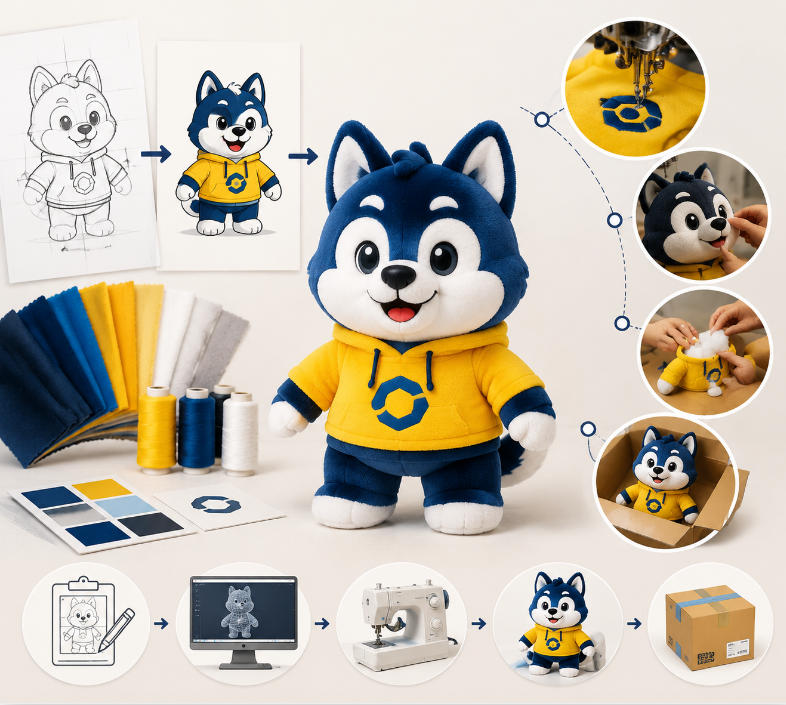
A mascot with a basic body form, fewer colors, and common add-ons is usually easier to repeat in production. If the look is harder, like detailed facial features, more fabric types, dense stitching, or special internal parts, the maker needs more time. It also takes more coordination during production.
So even if two quotes show the same MOQ, the unit cost can still move. The reason is that the build steps are not the same.
Different Designs and Color Variations
Buying several mascot styles in one order may not reduce cost the way buyers expect. Each new style can mean new templates, new samples, updated stitching artwork, new material planning, and extra checks for quality.
For instance, buying 300 matching plush mascot toys can cost less overall than buying 100 of three different designs.
Some factories may let mixed styles count toward one combined MOQ. Still, the fee depends on how much prep each variation needs. Buyers should confirm if the MOQ is for the full combined order or if it is counted per design.
Materials and Product Specifications
Higher grade fabrics, special finishes, custom add-ons, and tougher durability needs can push the cost up. Even with a larger quantity, these costs may not drop much.
A plush mascot made with basic polyester can have a different pricing setup than a toy made with special textiles, complex embroidery, and accessories packed one by one.
To get a solid quote, buyers should share clear specs. Do not rely only on comparing prices by quantity.
The Hidden Costs of Choosing a Low MOQ
A low MOQ may appear attractive because it reduces the amount of money required at the beginning of a project. However, smaller production runs can involve additional expenses that buyers should consider.
Higher Unit Production Costs
With a small run, the maker may spend more time on setup and admin per item. That can raise the price per piece a lot compared with a larger order.
More Expensive Material Sourcing
Small orders often fall below a supplier’s minimum purchase level. When that happens, materials may need to be bought in lower amounts. That can raise the cost of fabric, add-ons, and packaging.
Repeated Ordering Expenses
If sales turn out higher than planned, buyers may need to reorder. A new production cycle can bring setup work again. It may also require extra sample checks and another delivery.
In certain cases, one big first order can cost less than splitting the same total into many small ones.
Limited Customization Options
Some manufacturers limit what they can do for small runs. They may offer fewer fabric options, fewer color choices, or fewer special add-on features. This can be due to the effort and expense of custom procurement. If you want a very specific mascot style, confirm what customization options in mascots at your target quantity.
How to Choose the Right MOQ for Your Custom Mascot Project
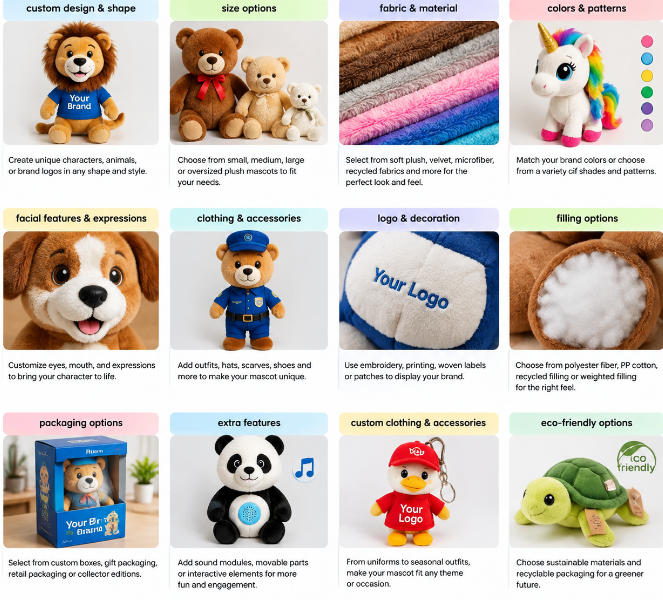
Selecting the right MOQ requires more than comparing unit prices. Buyers should evaluate demand, budget, storage capacity, customization needs, and the supplier’s production capabilities.
1. Estimate Your Actual Demand
Figure out how many mascot units you truly need. Think about planned events, expected sales, items for promotions, and possible reorders later.
For instance, a school running one event might only need a small batch. A retail brand with a nationwide promo may want a larger run.
A practical demand estimate can help avoid piling up extra stock.
2. Compare Total Order Costs
Get quotes for different order sizes. Do not only ask for the lowest per-unit price. Compare total costs such as production, sampling, packaging, shipping, and any other added fees.
A low unit rate can still be a poor deal if the order amount goes far past what you need.
3. Ask About Flexible MOQ Options
Some manufacturers may offer lower or flexible minimums for common materials, existing designs, or repeat orders. Others might let you mix certain colors or related items in one order.
You can also ask if they allow split deliveries from one production run. This usually depends on agreed storage, payment, and shipping terms. It may help production run more smoothly while also easing inventory pressure.
That said, split delivery does not always lower the first production commitment. It also does not always lower the full order total.
4. Evaluate Quality Alongside Price
A low unit price matters less if the final mascot does not meet your needs. Check samples first. Look at material feel, stitching, color matching, and finish details. Also confirm any safety requirements that apply.
When you pick mascot plush toys for kids, material choice matters a lot. Product safety rules matter too. For mascot costumes, shoppers also care about how long the suit lasts, how well it fits, whether people can see clearly, how air moves inside, and how simple it is to clean.
A reliable manufacturer should explain how quality control is maintained across different order quantities.
Final Thoughts
Minimum Order Quantity is important for determining custom mascot pricing. Larger orders often reduce the unit price by spreading setup expenses. That can happen because setup costs get spread out, production becomes faster, and bulk material purchasing. Smaller runs usually cost less to start. They can work well for test samples, short events, or projects with uncertain demand.
The most practical MOQ depends on the product type, design complexity, material requirements, manufacturing process, and expected demand. Before buyers decide, compare the price tiers, add up the full costs, check the stated quality, and negotiate flexible production arrangements where possible.
The best MOQ is not necessarily the largest quantity a manufacturer can produce or the smallest quantity it will accept. The right order size is the one that delivers the right balance of unit pricing, product quality, cash flow, and inventory requirements for your project.