
Cute vs. Professional Mascots for Brands: How to Choose the Right Style
The mascot will become the public face of the business and It is remembered and shared each interaction a client is involved with the company’s brand. In the midst of this decision is the fundamental decision that determines everything that follows: will the customized mascot be cute or professional.
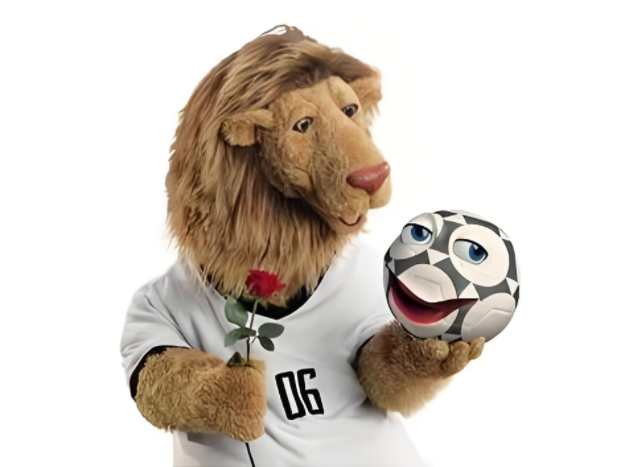
Understanding Cute Mascots
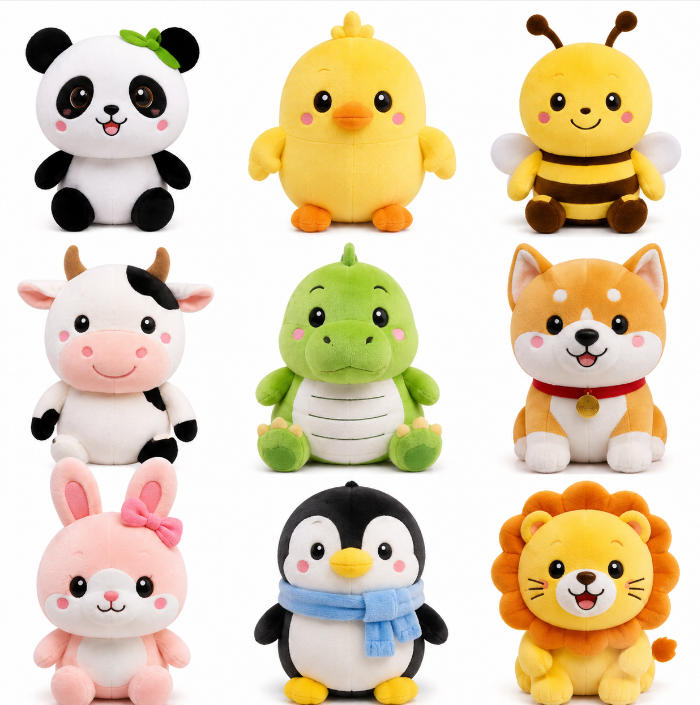
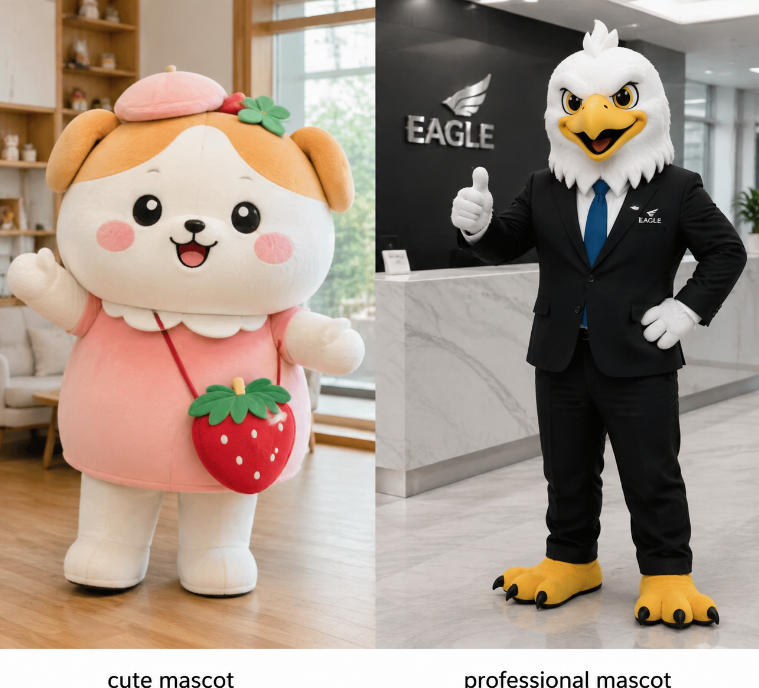
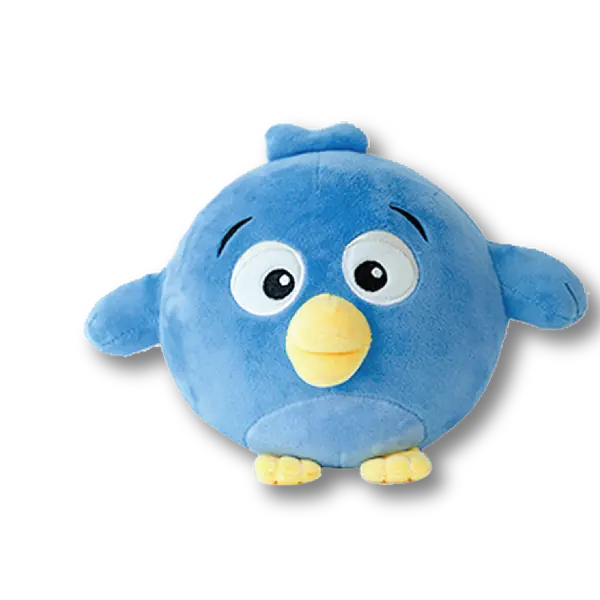
Cute mascots operate at the same frequency that resonates in the human psyche. The traits that define cuteness – large heads, large eyes, round forms and soft curves, reflect the proportions of infants in human. It’s not a coincidence. Evolutionary biologists have known for a long time that human beings are genetically designed to be positive to these traits and a method to ensure that we take care of our children. If a mascot exhibits these characteristics the animal’s instinctual affectionate response that goes beyond doubts about the intellectual nature of animals and forms an immediate emotional connection.
That’s why cute characters are so effective at making brands appear more easy to access. They can lower the barriers. They reduce the fear. They welcome people into the space where they feel comfortable and safe. A cute mascot will not criticize, doesn’t frighten and doesn’t impose any demands. It simply makes friends. Brands that sell items that are consumed during moments of pleasure for the individual – food or toys entertainment, lifestyle products, etc it is an asset. The mascot is an extension of the enjoyment that the product brings.
But cuteness has a shadow. The same qualities that make a mascot likable could also make it appear light. A company that is reliant too much on cuteness could end up being interpreted as lacking the rigor or seriousness. In fields which precision and experience are crucial the presence of a cute mascot may accidentally reduce confidence. The customer may be tempted to smile at the mascot, but thinking about whether the company has the expertise to tackle the most difficult challenges.
Understanding Professional Mascots
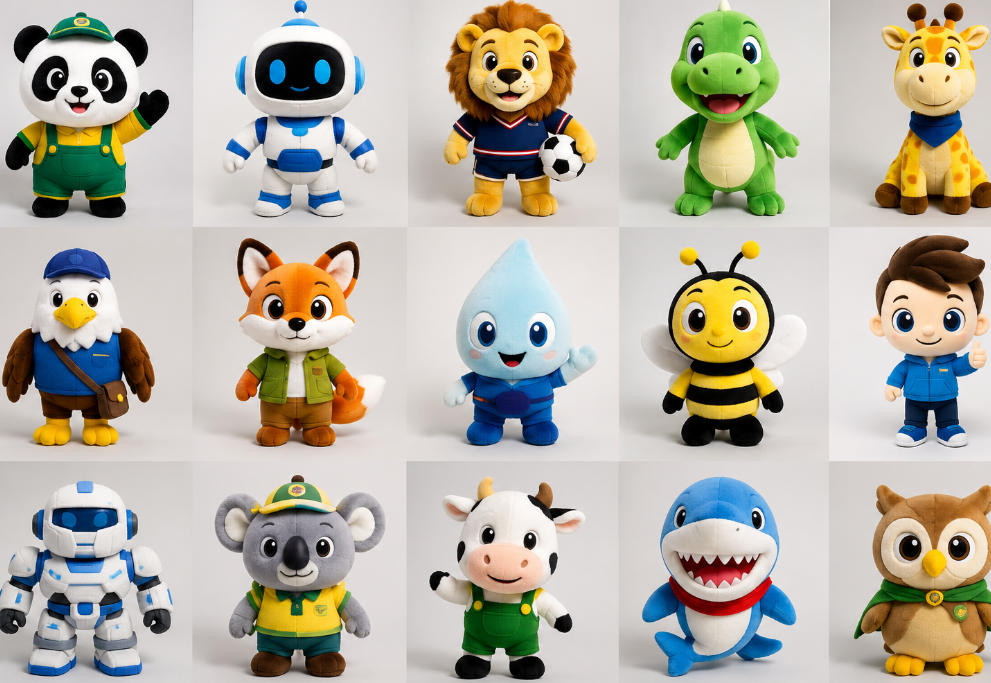
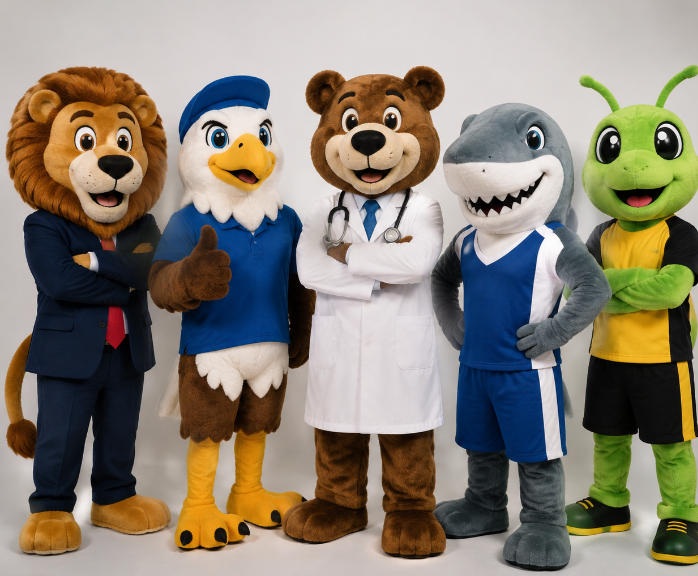
Professional mascots use take an entirely different route. They are distinguished by their restraint as well as precision and a distinct air of confidence. Clean lines replace soft curves. Cool palettes of grey, blue and silver are replaced by warm pastels. The posture is more straight and confident, rather than loose and fun. Mascots don’t look like living animals in the traditional sense. They are more often depicted as stylized people or sleek robots, geometric abstracts, or anthropomorphized things that evoke order and intelligence.
The visual language reflects an essential human need for trust. When people encounter an mascot that is professional they feel the that they are disciplined. They are able to see a brand which appreciates precision, is aware of the complexities of its work, and is willing to take its responsibility seriously. For healthcare institutions, financial institutions, companies, legal consulting firms, and enterprise technology companies the aesthetic offers crucial assurance. The professional mascot conveys the brand is trustworthy in important issues.
But, professionalism can be cold. A mascot who leans too in the direction of austerity could gain respect, but not necessarily admiration. In a world where consumers are increasingly seeking authenticity and a human connection and emotional connection, this distance can be a problem. The mascot of a professional that looks like a faceless corporate spokesperson could fail to create the kind of loyalty that helps brands throughout challenging times. In addition, it could be a part of the variety of mascots with similar styles, and become unrecognizable from rivals who have made the same wise choices.
The Comparison Between Cute and Professional Mascots
| Factor | Cute Mascots | Professional Mascots |
| Primary Appeal | A warm, emotional touch and instant popularity | Authority, competence and intellectual trust |
| Visual Characteristics | Large heads, big eyes, rounded bodies soft curves, vibrant or pastel shades | Pure lines, refined palettes Sharp or sharp silhouettes Cool shades (blues and silvers), greys) |
| Psychological Trigger | Triggers nurturing instincts (kindchenschema / baby schema) | It triggers trust and respect through the perception of competence |
| Best Suited For | Food products, consumer goods kids’ entertainment Lifestyle brands education and retail | B2B services Financial institutions and healthcare, legal advice enterprise technology industrial manufacturing |
| Emotional Response Created | Joy, comfort, security and security, less anxiety, friendship | Reassurance, security, confidence and reliability, sincerity |
| Key Strength | Reduces barriers to defensive defense and creates strong emotional bonds. Highly memorable and easily shared | communicates credibility and precision; displays stability and expertise and ages gracefully |
| Primary Risk | Can be perceived as unprofessional or flimsy, or lack of the necessary substance. It can also feel outdated in time. | The feeling could be cold, distant or general; could be at risk of falling short of forming emotional bonds |
| Social Media Potential | High popularity, easily shareable, and friendly to memes, and engaging to build community | Moderate; requires strategically designed content to counter perceived distance |
| Cultural Sensitivity | The styles of clothing can vary greatly; cute designs may not be a good fit across cultures. | Generally, more widely accepted; conveys seriousness in a range of markets |
| Longevity and Adaptability | There is a risk of feeling old-fashioned with the changing trends Updates must be handled with care | Ages well and can be updated without losing its core essence |
| Design Complexity | Sometimes, it is necessary to develop a complex character as well as voice and motion | Needs accuracy and sensitivity; particulars are crucial to stay clear of a generic look. |
| Cost Considerations | Costs for ongoing voice talent, animation, and personal development | More upfront costs for a improved design; less ongoing cost of expression |
| Differentiation Potential | Achieves high in the serious industry; is distinguished by the warmth and charm | In the world of fun, it is distinguished by its the seriousness and quality |
| Authenticity Requirement | Should reflect a fun warm, welcoming, or ingenuous brand personality | Should reflect a clear professional, serious, or expert brand image |
| Evolution Over Time | It is possible to update gradually to keep current, while still preserving the fundamental recognition | The ability to refine and stay current while maintaining authority |
Key Factors to Consider for Choosing Between Cute and Professional Mascots
The decision of a cute mascot or a professional one needs careful consideration of a variety of aspects that go beyond personal preferences or design trends of the moment.
1. The Nature of Your Industry
Each industry has its own set of standards and unwritten rules and expectations of the consumer. These cultural norms determine how people interpret visual messages and mascots make no exception. A custom character that is suitable in one area could be off-putting in a different regardless of how well it’s created.
Industries that cater to children families, children and lifestyle market have been embracing adorableness as a natural fit. Food items, toys, educational materials, as well as entertainment also benefit from characters who feel comfortable, welcoming and non-frightening. People who visit these areas expect to be greeted with warmth and friendliness. A professional mascot in these situations could be unwelcome or intimidating, causing an unnecessary gap from the company and their customers.
However, industries that deal with significant stakes, technical complexity or severe consequences tend to be more professional. Healthcare, financial services legal advice industrial manufacturing, and enterprise technology work in environments where trust relies on expertise. The customers in these industries value the reliability of their services over the attractiveness. A cute mascot could accidentally suggest that the company doesn’t take its responsibilities seriously enough.
However, industry standards aren’t changeable. Some brands have successfully pushed the boundaries of expectations with their mascot designs. A mascot that is cute in a largely serious field can be a source of differentiation and recall, if it’s done with enough finesse to ensure that it does not compromise credibility. A mascot that is professionally designed in an industry that is typically playful can indicate quality and value in a sea of flimsy rivals. The trick is to understand the purpose of the norms in the industry as boundaries, or simply as the basis for exploration.
2. The Demographics of Your Audience
Age the culture, lifestyle, and age all impact how people respond to various mascot designs. Younger and children typically favor cute characters with a heightened appearance and bright shades. Their tastes in visuals are influenced by the playful and imaginative. The older crowd, especially professionals and decision makers tend to react more positively to mascots that convey stability, experience and sophistication.
The cultural background also is a major factor. Certain cultures have embraced cuteness as an acceptable aesthetic, and incorporate it into public communications and even official communication. Others consider excessive cuteness to be unimportant or insensitive for serious settings. A mascot that is popular in one area could cause confusion or annoyance in another. Companies with global ambitions should consider these cultural differences carefully before deciding to adapt their mascots to different regions.
Lifestyle and lifestyle factors can add a layer of confusion. Urban audiences might respond different to the mascots they see than audiences from rural areas. Techno-savvy consumers might have different expectations from people who prefer traditional media. A brand that is aware of the values of its primary audience’s behaviors, and aesthetic preferences will be better able to choose the mascot that speaks to them true to its core.
3. The Emotional Journey You Want to Create
Mascots are more than static images. They are a part of the experience for consumers starting from the initial moment of awareness and purchase and on to continuous loyalty. The tone of this journey should inform the decision between professional and cute aesthetics.
A cute mascot is likely to inspire feelings of relaxation happiness, joy, and security. It decreases anxiety and lowers the barriers to defense, which makes consumers more open to a brand’s message. This type of emotional state is perfect for products consumed during times of enjoyment or relaxation. The mascot’s cuteness becomes an element of positive associations and a reminder of enjoyable experiences that the customer would like to recreate.
A professional mascot, in contrast, inspires feelings of security, confidence and trust. It assures customers of being in safe in the hands of a professional, and that their requirements are met with skill and accuracy. This state of mind is perfect for products that require important decisions or risks. The mascot of the professional becomes an image of trust as it reminds us that the brand is reliable in important decisions.
Certain brands require their mascots to be able to navigate a variety of emotions. Financial services companies may be required to draw new customers through a friendly approaches reassure existing customers of its professionalism. Healthcare providers may need to soothe patients while conveying authority from the medical field. In such situations the mascot has to be able to balance the emotional aspects rather than being completely committed to a single or the other.
4. The Competitive Landscape
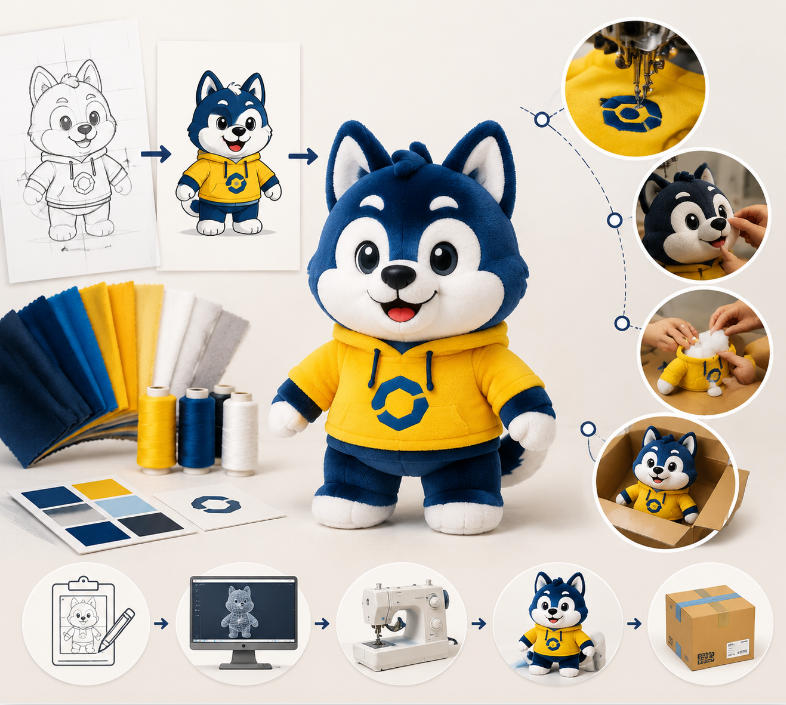
Knowing how competitors present themselves visually is a crucial factor for choosing mascots. If all the major players in your field uses professional mascots, a more adorable alternative can offer a striking distinction. In contrast, if adorable mascots dominate your market A professional approach could make you stand out as the reputable reliable option.
But differentiation on its own isn’t enough. The mascot has to be suitable for the brand’s position within the market. A retailer that is a discounter could have a fun cartoon character that emphasizes amusement and affordability. A high-end contender in that same market could choose to use a professional character that is a symbol of the quality and exclusivity. The competition context determines the authenticity of what is perceived as a transparent attempt to replicate or even contrast.
Brands must also take into consideration the long-term viability of their competitive edge. A mascot that is distinctive now could be a commonplace tomorrow when competitors copy successful strategies. The most acceptable mascot choices are those that match to the brand’s fundamental image that rivals cannot copy them without appearing fake.
5. The Versatility of Application
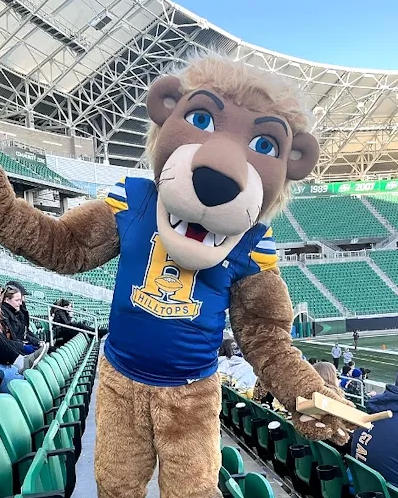
Custom mascots can be seen in a myriad of places from packaging and advertising to merchandise, social media and live events. The design chosen should work efficiently across these different contexts and remain relevant regardless of whether it is rendered in large format or smaller, as animated or static images, in both physical and digital environments.
Mascots with cute personalities often shine in animated settings. Their exaggerated characteristics and expressive abilities are what make them great performers in videos and social media posts as well as interactive content. They are able to communicate complex emotions in a short time and clearly engaging viewers in ways that traditional static characters can’t.
Professional mascots are generally better in formal settings. They are suitable for lettersheads, annual reports as well as corporate communication. They convey the appropriate style appropriate for networking events that are professional as well as trade shows. Their stifling nature makes them a good choice when an adorable mascot could seem odd.
The company should consider what applications are most important to them. A brand that is heavily dependent on social media interactions might prefer cuteness to shareability. A brand that relies on relationships with B2B companies could prioritize professionalism to boost its credibility. The mascot that is effective in one setting but fails in another affects the brand’s overall image.
6. The Risk of Misinterpretation
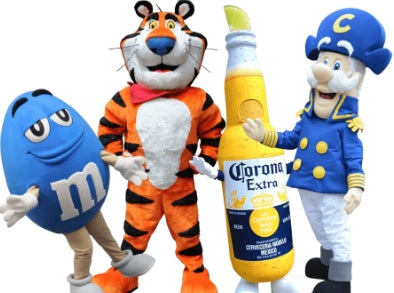
Mascots communicate via visual shorthand. This shorthand may be interpreted in surprising ways. A cute mascot that appears harmless in one context could have unintentionally negative connotations in another. A mascot representing professionalism and authority may appear arrogant or unapproachable to certain groups.
The possibility of misinterpretation is increased due to the complex nature of the mascot’s design. Simple, classic characters tend to be more effectively across various types of audiences. Specific, highly detailed or culturally-specific mascots can resonate with their intended audience, but may could confuse or off-set others.
Brands should also think about the way custom mascots are seen in different contexts that are that are beyond their control. Consumers are likely to use, remix and interpret mascots to create new meanings that companies can’t be able to predict. A cute mascot could be the subject of hilarious memes that detract from its original appeal. A mascot that is professional could be portrayed as snobby or uncool. The brand has to be ready to deal with these scenarios, and choose an mascot design that can be able to withstand reinterpretation without losing its essence.
7. The Resources Required for Execution
The decision between cute and professional mascots comes with practical implications on the resources needed in order to bring the mascot’s story to life. Mascots that are cute usually require advanced animating and expression capabilities in order to realize their potential. Their appeal is determined by their personalities that requires investments in the development of characters voice acting, character development, along with motion-design.
Mascots that are professionally designed might require less investment in expression however they do require greater attention to detail and consistency. They require careful crafting to avoid gimmicks. Each little detail matters when the effect is based on the subtlety of the design, not charm.
Both strategies require continuous maintenance. Mascots should be maintained in time to stay relevant. These updates require design resources and strategic monitoring. Brands need to think about what they can do to build internal resources or external relationships to maintain the mascot they have chosen over the long run.
8. The Authenticity Factor
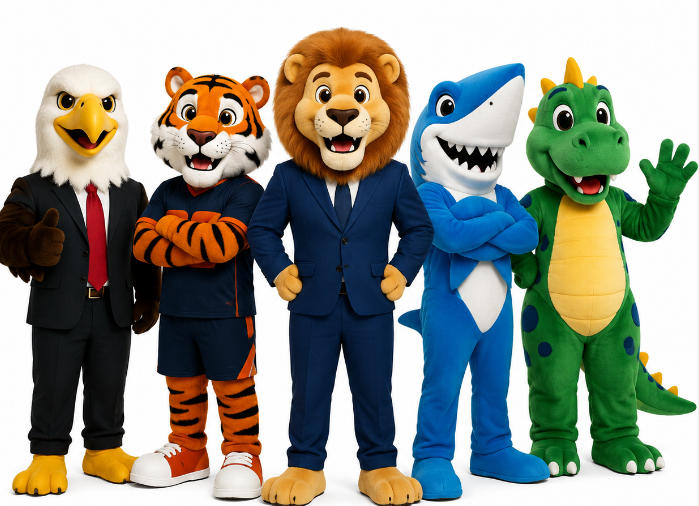
The most crucial aspect to consider when choosing between cute or professional characters is their authenticity. People have gotten remarkably skilled in identifying when a character is stale or unauthentic. A cute mascot created solely for the purpose of manipulating marketing is likely to cause suspicion rather than love. A professional mascot that appears like an artifact of a corporate culture can inspire respect, but without connection.
The authenticity of a brand is determined by the alignment between the mascot and the company’s authentic persona. If the brand’s character for the mascot is fun, creative and warm, then the cuteness can reflect these characteristics easily. If the brand is focused, accurate and skilled A professional mascot could be a convincing representation of these characteristics. The mascot is an extension of the brand’s identity. is, and not just an outfit that is worn to gain strategically advantageous purposes.
It is also essential to have consistency across all communications for brands. A mascot that looks cute in ads but is disproved by unprofessional customer service is eventually seen as deceiving. A professional mascot who promises competence but fails to deliver is likely to cause disappointment and not loyalty. The mascot’s promises is to be fulfilled by the performance of the brand, or else the mascot will become an asset rather than a liability asset.
Final Thoughts
The decision between mascots that are cute and professional is not a single decision but the start of a long-term relationship. The mascot will change as the brand grows and the market will evolve. The most effective mascots are built on an understanding of the strategic plan which can adapt without losing their identity.
Companies that make a hasty decision about mascots without a thorough analysis risk creating characters that don’t connect, which frustrate their customers or become embarrassments instead of assets. Brands who take the time to research their business, their customers and their context of competition and their personal personality will select mascots that can be effective tools for building relationships and ensuring businesses to succeed.
The right mascot, no matter how cute or professional, can be more than a mere marketing tool. It is a representation that represents what the company is about and it is a reminder of the positive experience that the brand offers and is a solid foundation to build trust and sustain long-term relationships. This is the goal that should be at the top of your list that is worth the effort.