
How to Design Custom Teddy Bears
Custom teddy bears can be used for various purposes. The products serve as special gifts which people collect, businesses for marketing purposes and individuals keep them as personal mementos which they use to show their unique personality traits, emotional state and artistic expression. The process of designing custom teddy bears begins beginning fabric selection and facial expression design which ends with the addition of personalized clothing and accessories through a combination of artistic design skills and careful production work.
The Growing Popularity of Custom Teddy Bears
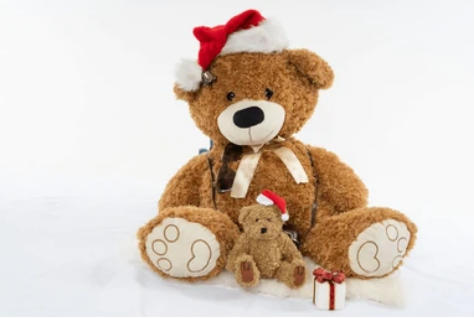
People increasingly seek products that feel unique and personal, and custom teddy bears perfectly meet this demand. Custom teddy bears enable users to design exclusive products which meet their particular needs while existing commercial plush toys follow established design patterns.
Custom teddy bears serve multiple purposes which include:
- Birthday and holiday gifts
- Baby shower and newborn keepsakes
- Wedding and anniversary souvenirs
- Memorial and remembrance gifts
- Corporate mascots and promotional items
- Fundraising campaigns
- Character merchandising and branding
The gifts possess strong emotional value which makes them perfect for showing deep personal attachment.
Key Elements in Designing Custom Teddy Bears
Designing a custom teddy bear involves multiple creative and technical decisions that influence the toy’s appearance, comfort, durability, and emotional impact.
1. Choosing the Teddy Bear Style
The first step is determining the overall style and personality of the teddy bear. Different styles create different emotional impressions.
| Teddy Bear Style | Main Characteristics | Typical Applications | Emotional Appeal |
| Classic Teddy Bear | Rounded body, stitched nose, traditional appearance | Gifts, collectibles, childhood keepsakes | Warm, nostalgic, comforting |
| Cartoon Teddy Bear | Exaggerated facial expressions, colorful design | Children’s toys, mascots | Fun, playful, cheerful |
| Realistic Teddy Bear | Natural bear proportions and detailed fur texture | Collector editions, decorative items | Authentic, lifelike |
| Mini Teddy Bear | Small size and lightweight structure | Keychains, souvenirs, party favors | Cute, portable |
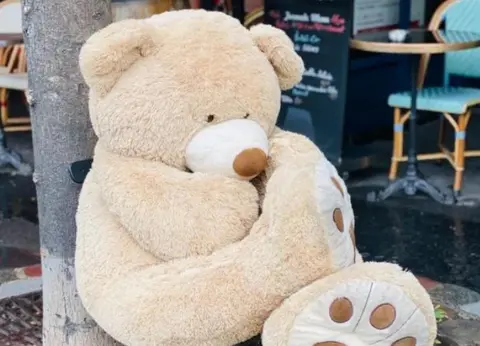
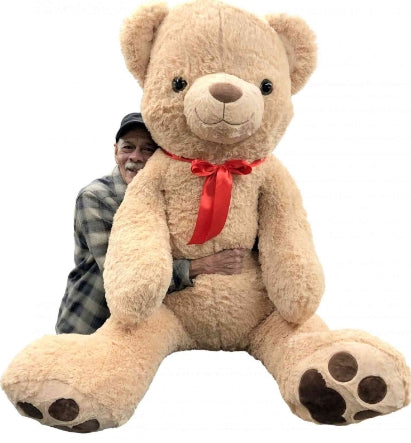
| Oversized Teddy Bear | Large body designed for hugging | Romantic gifts, room décor | Comforting, affectionate |
| Vintage Teddy Bear | Antique-inspired design with muted colors | Collectors and themed displays | Nostalgic, timeless |
| Character-Themed Teddy Bear | Designed to resemble fictional or branded characters | Merchandising and promotions | Recognizable, entertaining |
2. Selecting Materials
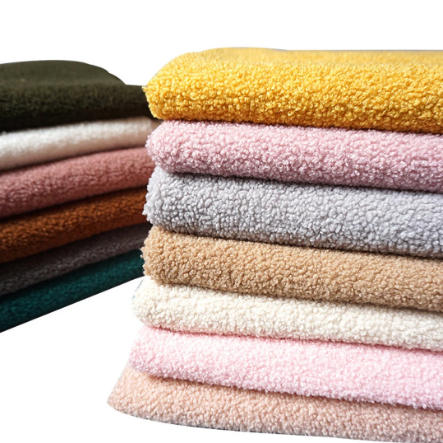
Material selection of plush toys greatly influences softness, durability, and overall quality.
Common Fabrics
| Fabric Type | Texture and Feel | Main Advantages | Common Uses in Teddy Bears |
| Plush Fabric | Soft, fluffy, and smooth | Comfortable, attractive, child-friendly | Traditional teddy bears and children’s plush toys |
| Faux Fur | Thick and realistic fur texture | Luxurious appearance and premium feel | Collector teddy bears and decorative designs |
| Cotton Fabric | Soft, breathable, and natural | Hypoallergenic and easy to clean | Baby teddy bears and eco-friendly products |
| Fleece | Warm and lightweight | Durable, affordable, and wrinkle-resistant | Casual and promotional teddy bears |
| Velvet | Smooth and elegant surface | Sophisticated appearance and soft touch | Luxury and decorative teddy bears |
| Mohair | Silky and textured natural fiber | Durable and highly collectible | Vintage and premium collectible teddy bears |
| Polyester Fabric | Smooth synthetic texture | Strong, cost-effective, and easy to maintain | Mass-produced teddy bears |
| Wool Blends | Warm and slightly textured | Durable and classic appearance | Handmade and traditional teddy bears |
| Organic Cotton | Natural and environmentally friendly | Sustainable and gentle on skin | Eco-friendly teddy bears |
| Velour | Soft with a slight sheen | Comfortable and visually appealing | Decorative and themed teddy bears |
Filling Materials
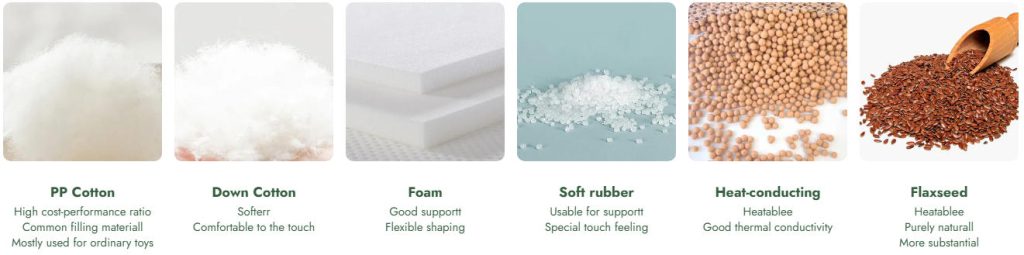
The filling materials inside the teddy bear determines its softness and shape retention.
| Filling Material | Texture and Support | Main Advantages | Common Uses in Teddy Bears |
| Polyester Fiberfill | Soft, fluffy, and lightweight | Affordable, washable, and widely available | Standard teddy bears and children’s plush toys |
| Cotton Filling | Soft and natural feel | Breathable and eco-friendly | Handmade and eco-friendly teddy bears |
| Foam Filling | Firm and supportive structure | Helps maintain shape and durability | Decorative and structured teddy bears |
| Memory Foam | Soft with pressure-responsive support | Comfortable and premium feel | Luxury and comfort-focused teddy bears |
| Recycled Fiberfill | Soft texture made from recycled materials | Environmentally sustainable | Eco-friendly teddy bears |
| Wool Filling | Dense and warm texture | Natural and durable | Traditional and collectible teddy bears |
| Bean or Pellet Filling | Weighted and flexible feel | Adds stability and tactile comfort | Weighted teddy bears and collectible plush toys |
| Microbead Filling | Smooth and moldable texture | Creates flexible shaping and softness | Specialty plush designs |
| Kapok Fiber | Light and silky natural fiber | Biodegradable and eco-friendly | Sustainable handmade teddy bears |
| Mixed Filling Materials | Combination of multiple stuffing types | Balances softness, support, and durability | Premium custom teddy bears |
3. Designing Facial Expressions
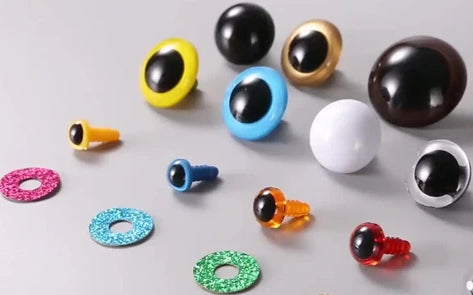
Facial design plays a critical role in creating emotional connection. Small adjustments in eyes, nose shape, and mouth positioning can dramatically change the bear’s customization.
The following chart provides important facial components in custom teddy bears
| Facial Component | Design Function | Impact on Teddy Bear Appearance | Common Design Options |
| Eyes | Create emotional expression and personality | Determines friendliness, cuteness, or realism | Plastic safety eyes, embroidered eyes, button eyes |
| Nose | Defines facial character and style | Adds charm and visual balance | Stitched nose, plastic nose, velvet nose |
| Mouth | Enhances facial emotion | Creates smiling, playful, or calm expressions | Embroidered smile, stitched mouth, minimal mouth line |
| Ears | Influence overall head shape and expression | Can make the bear appear cute, realistic, or cartoon-like | Rounded ears, oversized ears, pointed ears |
| Eyebrows | Add emotional detail and character | Creates expressive or animated appearance | Embroidered brows, raised stitching |
| Cheeks | Improve softness and visual warmth | Creates a cute and friendly appearance | Blush fabric, embroidered cheeks, padded cheeks |
| Snout/Muzzle | Shapes the central facial area | Affects realism and softness of expression | Raised muzzle, flat muzzle, contrasting fabric |
| Eyelashes | Add softness and decorative detail | Creates gentle or feminine appearance | Embroidered lashes, stitched lashes |
4. Color and Visual Style
Color plays a significant role in the teddy bear’s emotional appeal and brand image. The traditional brown, beige, and white teddy bear is a popular universal symbol, and the more modern customized teddy bear can come in any color combination – even the bare bear itself- for marketing. For example, bright colors can be adapted for cute children’s toys, while soft and pastel colors are used for the creation of baby gifts and beautiful keepsakes. Any custom teddy bear serves as a promotional item for a brand where the brand-specific colors are chosen to strengthen the visual signature.
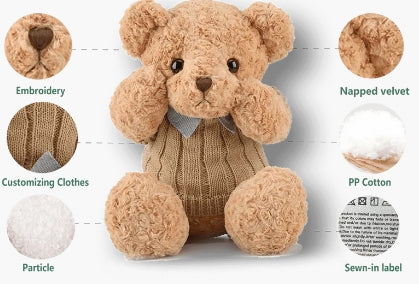
Patterns, fabric texture, or decorative accessories all further add up to visual differentiation. The designer can combine different fabrics or choose different parts of the teddy bear with embroidery.
5. Clothing and Accessories
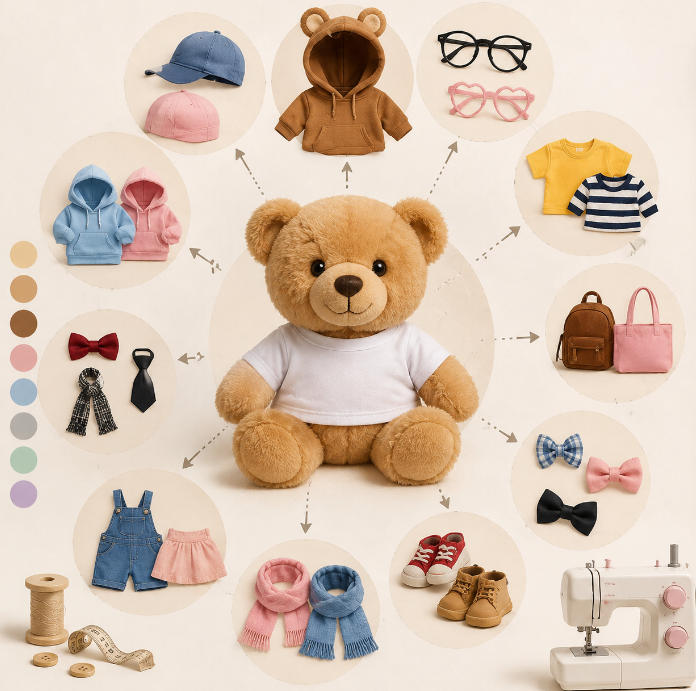
Clothing and accessories greatly enhance customization possibilities, and thus also storytelling value. Outfits can help transform a simple teddy bear into a specifically themed character or symbolic gift. The custom teddy bears can be made to wear graduation gowns, wedding dresses, sports dresses, professional costumes, various holiday dresses, or wear specific branded clothing. Accessories like hats, scarves, glasses, bows, backpacks, and jewelry strongly emphasize personality and design themes, routing to teddy bears to represent specific events, professions, paraphernalia, or emotional memories, hence making them more meaningful to the recipients.
6. Personalization Features
| Personalization Feature | Description | Purpose | Emotional Impact |
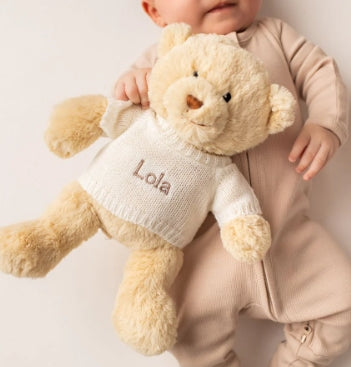
| Embroidered Names | Names stitched onto the teddy bear or clothing | Creates a unique personal identity | Increases sentimental value |
| Custom Messages | Short phrases, quotes, or heartfelt notes added to the bear | Expresses emotions or memories | Strengthens emotional connection |
| Personalized Clothing | Outfits designed according to themes or preferences | Enhances individuality and storytelling | Makes the teddy bear more distinctive |
| Custom Color Schemes | Selection of personalized fabric and accessory colors | Matches personal tastes or branding | Improves visual uniqueness |
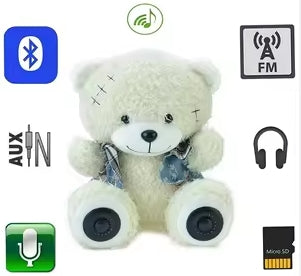
| Voice Recording Modules | Built-in audio devices that play recorded messages | Adds interactive and emotional features | Creates deeper emotional engagement |
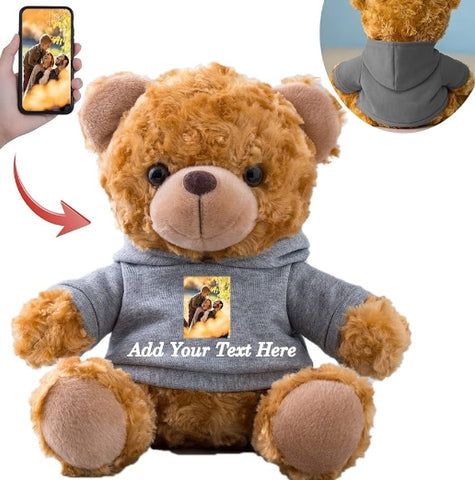
| Photo-Inspired Designs | Teddy bears designed with photos to resemble a person or character | Creates meaningful representation | Enhances personal attachment |
| Printed Logos or Artwork | Logos, symbols, or graphics added to clothing or accessories | Supports branding and themed designs | Improves brand recognition |
| Birth Information Embroidery | Addition of birth date, weight, or time details | Celebrates newborn milestones | Creates lasting keepsakes |
| Themed Accessories | Hats, scarves, bows, glasses, or jewelry added to the bear | Enhances character and style | Adds creativity and personality |
| Custom Packaging | Personalized gift boxes or display packaging | Improves presentation and gifting experience | Increases perceived value |
7. Safety and Quality Considerations
Custom teddy bears must meet strict safety and quality standards for plush toys, especially when designed for children.
The following chart provides important safety factors for designing custom teddy bears
| Safety and Quality Factor | Description | Importance | Common Solutions |
| Non-Toxic Materials | Use of safe fabrics, dyes, and fillings free from harmful chemicals | Protects children and users from health risks | Certified child-safe fabrics and eco-friendly dyes |
| Secure Stitching | Strong seams that prevent tearing or opening | Prevents stuffing leakage and part detachment | Reinforced stitching and double-seam construction |
| Child-Safe Eyes and Accessories | Avoidance of detachable small parts that may become choking hazards | Essential for infant and toddler safety | Embroidered eyes and securely attached components |
| Soft and Hypoallergenic Fabrics | Materials designed to minimize skin irritation and allergic reactions | Improves comfort and user safety | Organic cotton, hypoallergenic plush materials |
| Fire-Resistant Materials | Fabrics and stuffing designed to reduce flammability | Improves household safety | Flame-retardant textiles and fillings |
| Durable Filling Materials | Stuffing that maintains shape and softness over time | Prevents flattening and deformation | High-quality polyester fiberfill or foam inserts |
| Washability and Hygiene | Materials that can withstand cleaning without damage | Supports cleanliness and long-term use | Machine-washable fabrics and removable clothing |
| Structural Stability | Proper balance and support in body and limb construction | Prevents sagging or misshapen appearance | Reinforced joints and balanced stuffing |
| Colorfastness | Resistance to fading or dye transfer | Maintains visual appeal after washing or prolonged use | High-quality dyes and fabric treatments |
| Compliance with Safety Standards | Adherence to toy safety regulations and testing requirements | Ensures market approval and consumer confidence | ASTM, EN71, and CPSIA safety testing |
8. Technology in Teddy Bear Design
Modern manufacturing technologies for teddy bears have inside them great advancement in customization and high production efficiency.
- Emerging design technologies
- Digital plush modeling
- Computer-aided embroidery
- Automated fabric cutting
- Character design by AI
These innovations have helped toy manufacturers create more accurate, consistent, and creative custom teddy bears.
9. Sustainability and Eco-Friendly Design
The increasing popularity of eco-friendliness and concerns about the surrounding environment have gradually influenced the plush toy industry, leading to many custom plush manufacturers adopting sustainable design techniques while creating custom teddy bears. The use of eco-friendly fabrics is an example, as it combines the recycling aspect, where manufacturers ensure the use of recycling materials. Another example is the use of biodegradable packaging, as it also contributes to environmentally responsible exploitation. Making choices, like sourcing sustainably and maintaining an energy-efficient manufacturing process, create a new dimension in the effort to make production even more sustainable. Increasingly, consumers admire products that simultaneously offer an emotional value and support environmental consciousness.
Final Words
Designing custom teddy bears is a mix of creativity, craft, customization, and emotional storytelling. Every design element from the chosen materials and facial expressions to the use of modern technologies and exotic eco-friendly materials helps in making a teddy bear unique. Whether for gifts, branding, presents, collectibles, or special occasions, custom teddy bears continue to provide emotional value that mass-produced plush toys often can’t offer.