
How Plush Fabric Enhances the Design of Custom Plushies
Custom plushies which are soft and huggable, can be customized to show particular designs and characters have become extremely popular during the last few years. Custom plush toys provide comfort, nostalgia, and a sense of emotional connection for children, collectors or special events like brand promotions. The secret behind the success of the plush toys lies in plush fabric that offers ultimate softness, durability and versatile properties required to create these designs. In this article we will examine the reasons why plush fabric serves as the primary material for creating custom plushies, identifying different types of them, the guidance for selecting the most suitable plush fabric and the tips for caring for them.
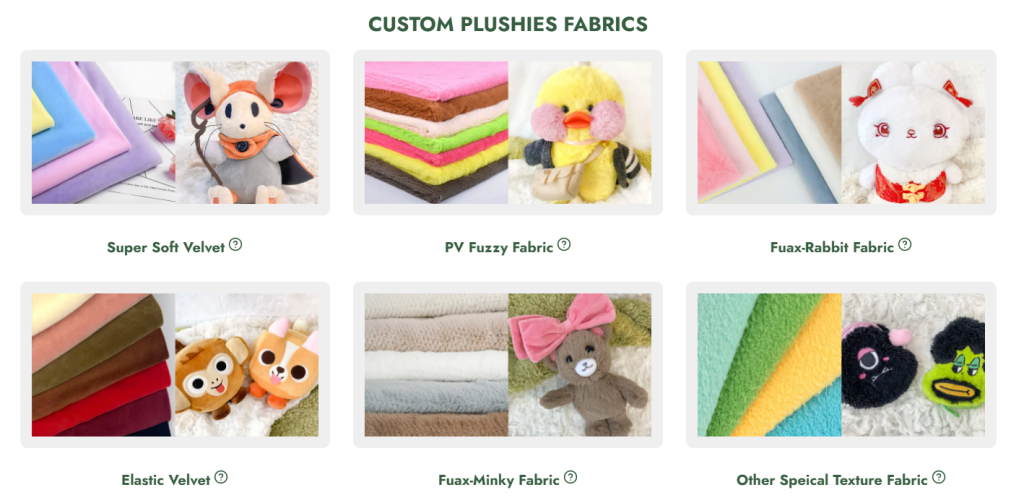
What is Plush Fabric
Plush fabric is a textile which combines softness and luxuriousness through its thick raised pile which creates a velvety tactile experience. The fabric’s fibers are often brushed to enhance its tactile appeal, creating a soft, dense texture that provides warmth, comfort, and a soothing touch. The material, plush fabric, serves as the ideal option for custom plushies because it can handle intricate design details while providing comfortable user experience.
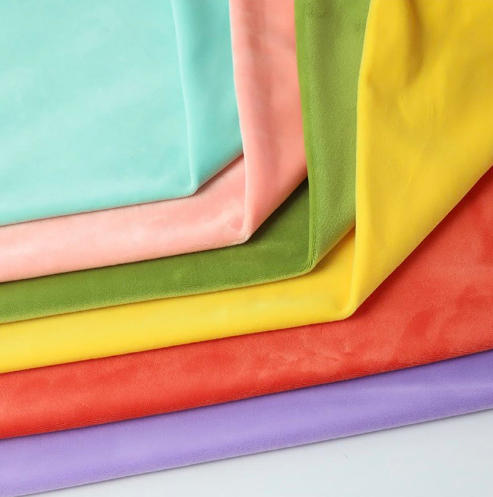
Why Plush Fabric is Ideal for Custom Plushies
Plush fabric is a crucial decision in creating the character, texture, and quality of a toy when it comes to custom plushie designs. Obviously, plush fabric is standout, because of its softness, versatility and durability, making it a perfect choice for creating huggable and charming plush toys.
1. Softness and Comfort
Softness is very much a human thing, and soft plush fabric has no equals in this respect. When you have your designs made from plush fabric, you give them a very welcome, soft touch. The touch of plush itself seems very comforting, driving plushies made out of this material more perfect for snuggling, hugging, or pure pleasure.
Plush fabric is increased by a heightened perception of velvety-soft warmth, making a plushie charming to the eye and enjoyable to the touch in both Cted and young audiences. No doubt, it consequently appears to transcend common expectations of mere visual stimulation.
2. Visual Appeal
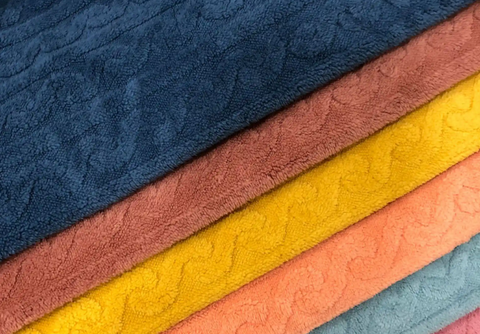
Plush fabric represents an assortment of ornamental potential, the another leg on which plush toys display their specialty. The softly frosted sloping nap of the fabric deflects a soft reflection under the light, thus projecting behavior when adorning its surface with visual artistry that bears many echoes form the sense of richness/luxury as exhibited in high-end plush toys and figurines to maintain their dignity.
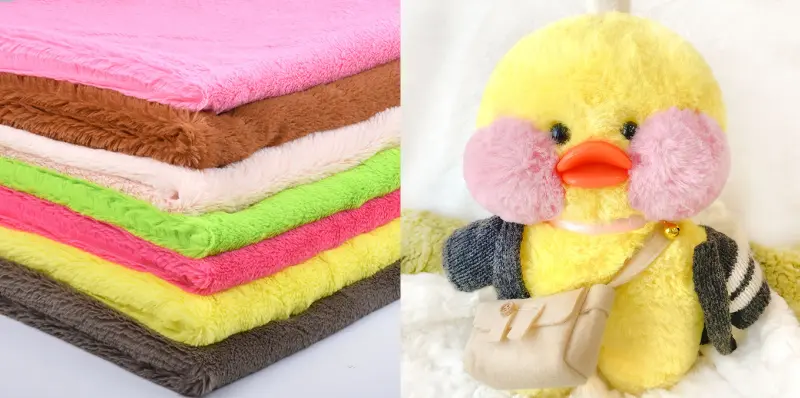
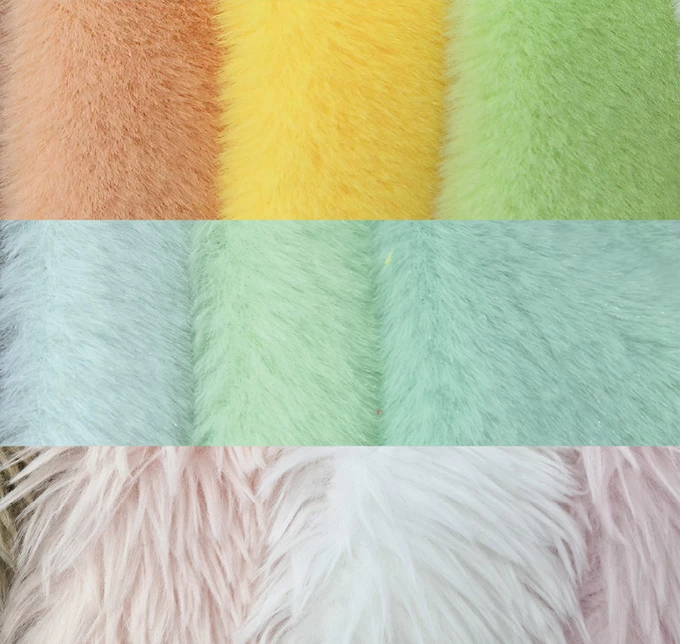
Plush fabric does come in different textures and finishes that can be helpful in improving the overall look of the plushie. For instance, faux fur for an animal-themed one gives it a high-quality, realistic sheen, while velour adds luster on her soft and shiny-looking exterior. The custom plush made out of plush fabric could as well be painted a range of cool, groovy, and warm tones to make a dazzling impact or give a hint ‘of classical sophistication.
Thanks to plush fabric, designers can attempt at making a toy that easily stands out on a shelf, whether it is meant to be cheerful, realistic, artistic, or luxurious.
3. Versatility in Design
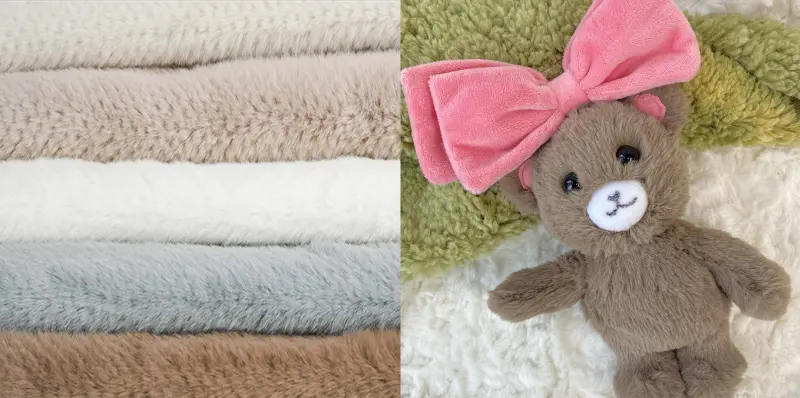
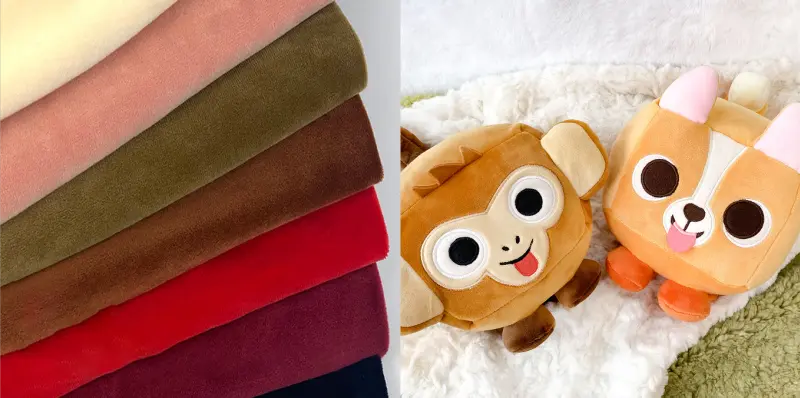
One of the things that most attract one towards the plush fabric is the ability to work with a variety of design concepts; it will accept nearly any design concept very well and still manage to make it official. For example, from a plain old teddy bear to some complex character with effective, sudden expressions and features, plush fabric allows you to bring up films out there from where you draw your ideas.
An illustration presented earlier was how different materials can be combined with plush in order to exhibit a myriad of textures and themes. The luxurious feel of minky fabric makes it a perfect contrast for embroidered faces or little accessories, while faux fur can create more realistic animal characters, ensuring tactile feel akin to real fur. Apart from this, plush fabric can be dyed or printed in a wide range of ways, bestowing upon designers the ability to either match specific color schemes or to adorn their work with intricate patterns and patterns. It juxtaposes different types and finishes, thereby rendering a playground of almost limitless possibilities under the sun: undulatingly soft designs for children’s cuddly toys through the more esoteric, tailor-made premium creations.
4. Durability and Longevity
When you are into the making of custom plushies, durability becomes an issue, especially when these items are likely to be manipulated on an ongoing basis. They are made from plastisized-cotton-well only partly: blankets are sufficient and provide proper warmth and comfort and, of course, with sturdiness. Fascinatingly, these playthings maintain their shape and texture even throughout repeated washing, hugging and scruples that follow. This was accomplished by creating an innovation that would become a considerable element of this venture towards making plush products more acceptable to the general masses.
Any quality plush fabric, a source of texture and durability, is a relevant source of resistance against the harsh stuff in the real world; it is another thing most custom plush toys mean to be enjoyed for some time; this is deep to the night held as a comfort and/or on display, well cared for and brightly conserved. Thus, the texture of the plush is kept at the highest surges within the basin of colors to help it keep the glistening of memorable days. The only cost of pleasures to be redeemed by lavish adornment with pencils at your convenience is unlimited solace.
5. Detailed Craftsmanship
Plush fabric enhances the ability to craft detailed intricate features on custom plushies. The soft texture of the fabric allows easy stitching and accurate shaped design working towards the features of plushies – be it smile, tiny paws, or detailed clothing. Another touch; the fabric, by being pliable, enables easy formation and modeling, and uniqueness becomes the features that define the character of the plushie.
By the subsequent year, the subtle texture of plush fabric will allow for incorporation of accessories like hats, scarves, or tiny wings without losing the integrity of the design. Being confident in doing so is the basis of plush fabric’s capability to accept embroidery and minute details things like eyes, noses, and buttons, promoting realism or whimsy depending on where the design is headed. The fabric provides a smooth surface for embroidery work in that sharp and clean lines are available, creating perfectly neat and even patterns that duly contribute to the character of the plushie.
6. Emotional Connection
Handcrafted plushies are much more than mere toys. The cuddly toys form companions, treasures, or emotional supports for their ever-loving owners. The plush fabric enriches that emotional intimacy. Its soft and comforting touch conjures up a feeling of warmth, safety, and nostalgia, thereby making the plush fabric a kind of attachment material for people. It is the soft plush fabric that contributes to the emotional value of plushies, whatever the reason, whether it is a gift, a cherished childhood item that was once a friend from a birthday party, or soothing reminders of special days.
That physical sense, the holding plush fabric in one’s hand, offers a sense of comfort, bonding. A bond is created between people and their companions when plushies are held in an embrace. Standing in as comforting companions for children at bedtime or stress balls for adults thereby means plush fabric does actually heighten the emotion for such toys, endearing them far beyond toys and into the open space of affection.
Types of Plush Fabric for Custom Plushies
This chart provides the various plush fabrics that are commonly used to create custom plushies, each with its unique qualities and best use cases.
| Fabric Type | Description | Best For | Characteristics |
| Minky Fabric | A soft, ultra-plush fabric with a smooth, velvety texture. | Baby toys, stuffed animals, blankets. | Soft, durable, hypoallergenic, easy to clean. |
| Faux Fur | Synthetic fabric that mimics real animal fur, with long, fluffy fibers. | Animal plushies, high-end designs, realistic toys. | Luxurious, realistic look, plush feel, varies in length. |
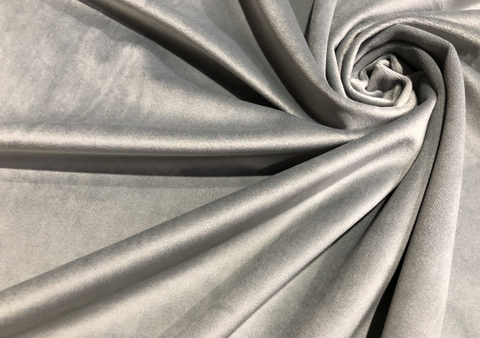
| Velour | A fabric similar to velvet but more elastic, with a smooth, velvety surface. | High-end plushies, fashion-forward toys. | Soft, stretchy, elegant, adds sheen and luxury. |
| Teddy Bear Fabric | Classic plush fabric with a slightly fuzzy texture. | teddy bears, nostalgic plush toys. | Soft, durable, warm, commonly used for traditional plush toys. |
| Fleece | A soft, warm fabric with a slightly thicker texture. | Cozy plush toys, winter-themed plushies. | Warm, comfortable, soft, and machine washable. |
| Felt | A non-woven fabric made from fibers, offering a firmer texture. | Smaller, simple plushies, accessory details (like eyes, noses). | Crisp, easy to cut, holds shape well, often used for details. |
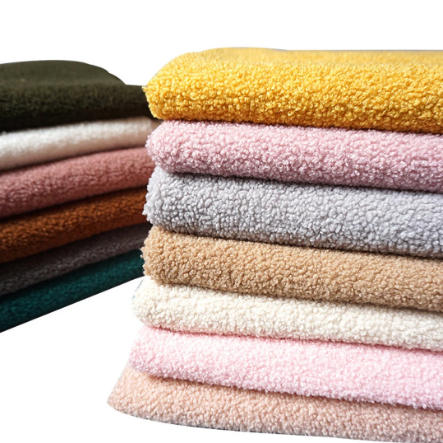
| Sherpa | A thick, fleece-like fabric that mimics wool. | Fluffy plushies, plush toys designed for warmth. | Thick, fluffy, warm, excellent for plushies that need a thick texture. |
Tips for Choosing the Right Plush Fabric for Custom Plushies
This chart offers a quick overview of the most important factors to consider when selecting plush fabric for custom plushies.
| Factor | Description | Best For |
| Purpose and Audience | Consider the intended use of the plushie and the target audience. Choose hypoallergenic, soft fabrics for baby toys and more luxurious fabrics for collector’s items. | Baby toys, collector’s items, promotional plushies |
| Softness and Comfort | Softness is key to plush toys, especially for cuddling. Look for fabrics like minky or velour for a soft feel. | Baby plushies, comfort toys, keepsakes |
| Durability and Longevity | Choose fabrics that can withstand wear and tear, such as minky, fleece, or teddy bear fabric, for toys that will be used often. | Everyday plushies, children’s toys, high-use plushies |
| Fabric Texture and Appearance | Select fabrics with the right texture (smooth vs. fuzzy) and finish (matte vs. shiny) to match your design vision. | Animal plushies, luxury plushies, thematic toys |
| Ease of Maintenance | Opt for machine washable fabrics like minky, fleece, or cotton blends for easy cleaning, especially for children’s toys. | High-use plushies, kids’ toys, everyday plushies |
| Color and Dyeability | Choose fabrics that hold colors well, such as minky, or can be easily dyed to achieve specific shades. | Custom designs, character plushies |
| Environmental Impact | Consider sustainable or eco-friendly fabric options like organic cotton or recycled polyester for eco-conscious projects. | Sustainable plushies, eco-friendly brands |
| Budget | Balance fabric cost with your budget. High-end fabrics like velvet or faux fur may increase production costs, while minky and fleece are more affordable. | Budget-friendly plushies, luxury plushies |
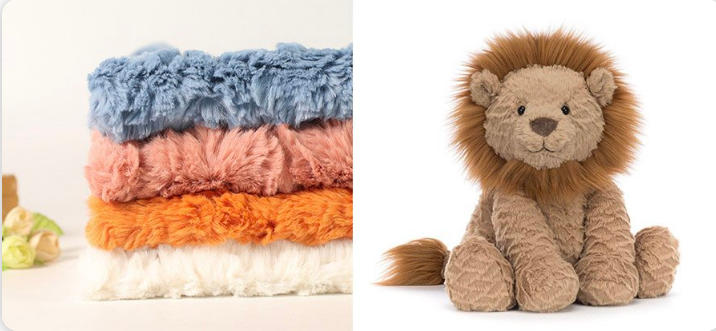
Useful Tips for Caring for Plush Fabric
These following tips will help ensure that your plush fabric stays soft, vibrant, and durable for a long time.
| Care Tip | Description | Best For |
| Machine Wash (Cold Water) | Use cold water to prevent fabric from shrinking or losing color. Always check fabric care instructions. | Minky, fleece, cotton blends. |
| Gentle Cycle | Set washing machine to a gentle cycle to avoid damage to the plush fibers. | Minky, velour, fleece, teddy bear fabric. |
| Hand Wash | For delicate plush fabrics like faux fur or velvet, hand washing is the safest option. | Faux fur, velvet, delicate plush fabrics. |
| Spot Cleaning | Use a mild detergent and a soft cloth to clean specific areas instead of washing the whole plushie. | Faux fur, velvet, plush toys with intricate designs. |
| Avoid Fabric Softener | Fabric softener can affect the texture of plush fabric and make it lose its softness over time. | All plush fabrics, especially minky and fleece. |
| Drying (Air Dry) | Air dry plush fabric by laying it flat or hanging it up to avoid heat damage. | All plush fabrics. |
| Avoid Direct Sunlight | Prolonged exposure to direct sunlight can cause fading of the fabric color. | Minky, velvet, faux fur, fleece. |
| Fluff After Drying | Gently brush or fluff the fabric after drying to restore its softness and texture. | Faux fur, teddy bear fabric, minky. |
| Use a Garment Bag | For machine washing, place plush items in a garment bag to protect the fabric from friction. | All plush fabrics. |
Summary
Plush fabric is perfect material for creating custom plush toys that are soft, cuddly and durable. Its versatility, comfort and widely textured choices make it well suited to custom plushie design, from cute animal characters to promotional toys and collector versions. By carefully choosing the right plush fabric for your custom plushies, you are assured that your creations will be both charming and durable.