
Size Customization in Plush Mascots for Specific Applications
One of the most important aspects of creating an effective plush mascot is size customization. Choosing the right size allows businesses and designers to improve visual impact, usability, production efficiency, and customer appeal. Size customization in plush mascots is more like a whole set of decisions you have to work through. You have to think about what the mascot is supposed to do, how the design details are shaped, what materials you’re going to use, which manufacturing methods are available, and how people will actually experience it in real life. When someone plans the size strategy well, the finished plush represents the character properly, while still hitting all the practical needs.
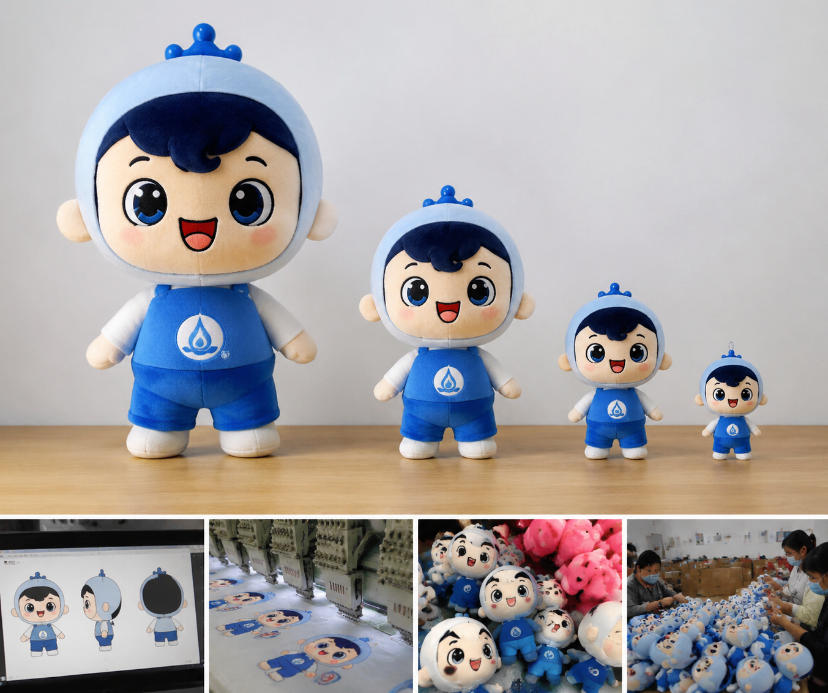
Why Size Customization in Plush Mascots is Important
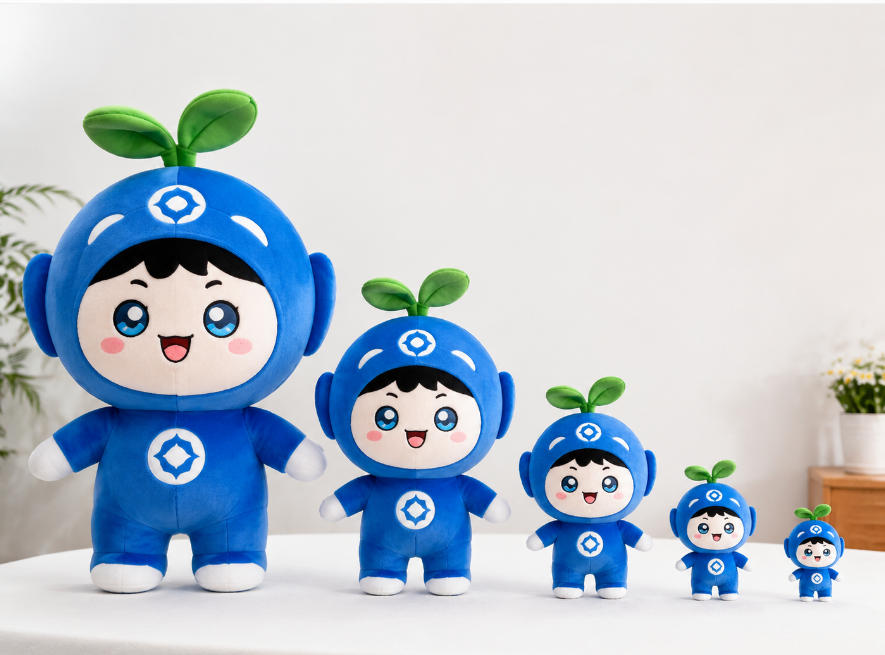
The size of a plush mascot affects the way people engage with it. A small plush mascot is handy for everyday carrying, gifting, and promotional distribution. A larger plush mascot, though, can stand out more strongly at exhibitions, in stores, or during public events, it’s just more noticeable
For businesses, customized sizes for plush toys make it easier to match specific marketing goals. A company introducing a new brand character might select several sizes, like mini versions for giveaways, and bigger ones for display use. That way they end up with a full product line that reaches different customer groups.
Also, size customization in plush toys helps manufacturers keep the proportions and personality true to the original mascot. Certain characters really need a specific height or overall volume, so key features dont get lost, like large eyes, unique outfits, or special accessories. Adjusting the size carefully ensures that the mascot remains recognizable and attractive.
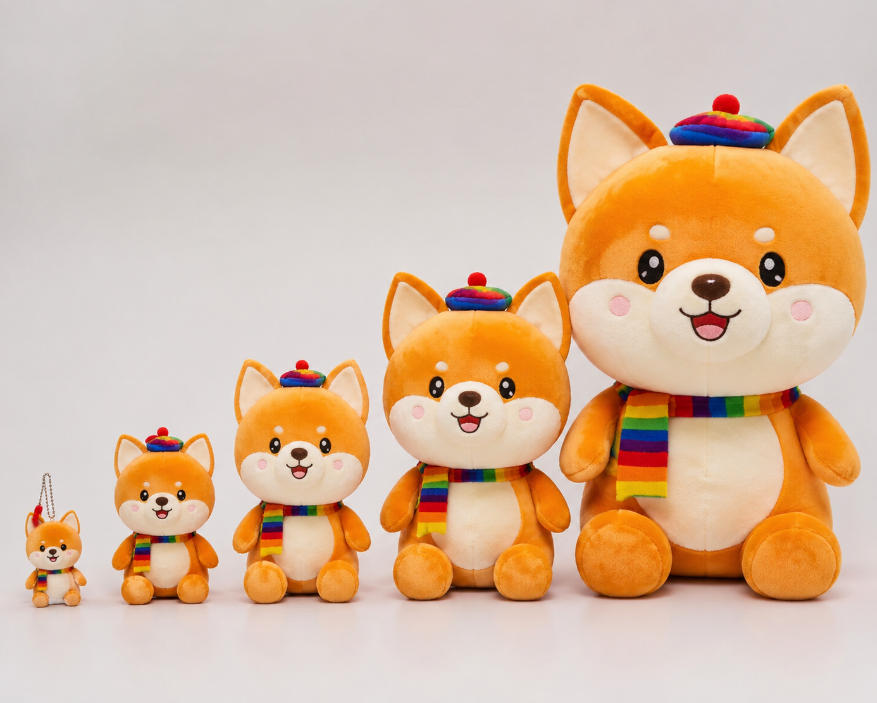
Common Size Options for Custom Plush Mascots
| Plush Mascot Size | Typical Height Range | Key Features | Common Applications |
| Mini Size | 5–15 cm | Lightweight, portable, low material cost, suitable for detailed small-scale designs | Plush keychains, promotional giveaways, collectible items, event souvenirs |
| Small Size | 15–30 cm | Easy to carry, ideal for personal use, suitable for retail packaging | Desk decorations, gifts, character merchandise, personal collections |
| Medium Size | 30–60 cm | Balanced size with good visibility and comfort, most popular option for custom plush production | Standard plush toys, brand mascots, school mascots, customer gifts |
| Large Size | 60–120 cm | Strong visual impact, requires more filling materials and structural support | Store displays, exhibition decorations, premium gifts, promotional events |
| Oversized Size | Over 120 cm | Highly noticeable, creates an impressive visual experience, often custom-built | Advertising displays, theme parks, stage events, photo attractions |
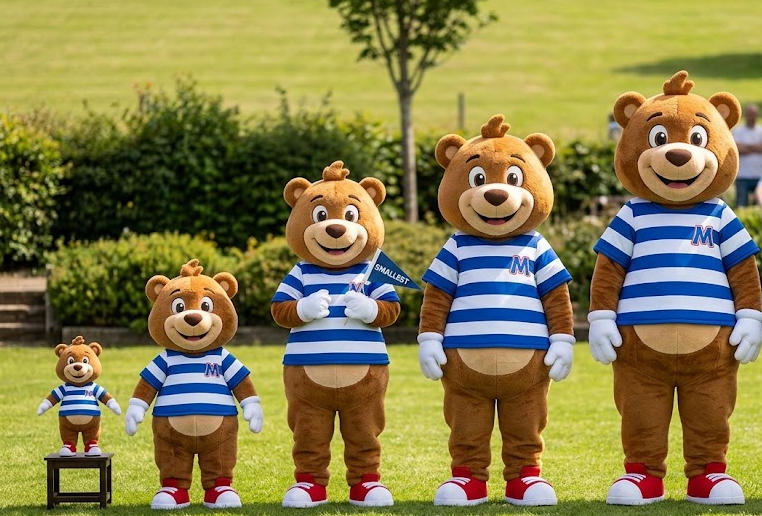
Key Factors to Consider for Selecting the Appropriate Size of Plush Mascots
A suitable plush mascot size should balance visual appeal with day to day usability. A mascot that is too small may fail to show important design details, while an oversized mascot can turn into a hassle to handle or cost a lot to produce. So manufacturers and designers really need to look at several key factors before deciding on the ideal size.
1. Purpose and Application of the Plush Mascot
The intended use of a plush mascot is one of the most important factors that influences size selection. Different setups demand different size characteristics.
For promotional campaigns, companies often pick small or medium sized plush mascots because they are easy to hand out, package, and transport. Compact mascots are a good fit for trade shows, customer gifts, and marketing drives where large quantities are required.
For event showcases, retail decorations, or brand exhibitions, bigger plush mascots are usually more desirable, because they can draw attention quickly and make a stronger visual moment. Oversized plush characters also tend to work as interactive display pieces, pushing customer engagement and giving lots of photo chances.
When someone is thinking about plush mascots for children’s use, or everyday routines, medium sizes are often the best choice because they balance carrying convenience with real play value.
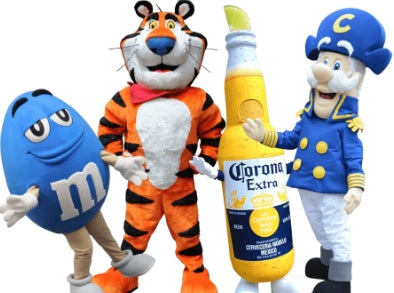
2. Character Design and Visual Details
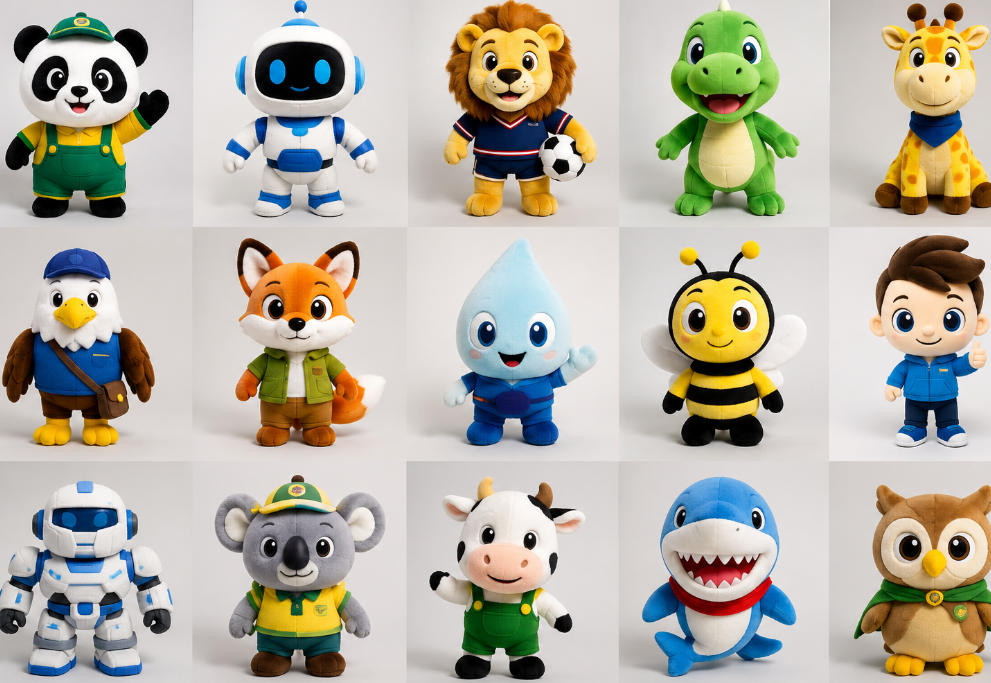
How the character is design matters a lot for custom mascots when deciding what size to pick. If the mascot has expressive facial reactions, one of a kind outfits, extra props, or other special features, then a larger size may be needed so the overall look is reproduced well.
Smaller plush mascots can make it harder to include delicate elements like embroidery styles, tiny accessories, or layered shapes. Moving up in size helps manufacturers keep better proportions, and improve the visual precision, overall.
For characters with exaggerated features, such as larger heads, extended arms, or unusual body structures, designers need to think about how the size changes the overall balance. the selected dimensions should make sure the plush mascot still keeps its original personality and clear recognition, even if the proportions shift a bit.
3. Target Audience and User Experience
The intended audience affects the ideal plush mascot size in a direct way. Different age groups, plus different buyer categories, tend to have different preferences and everyday handling habits.
Kids often go for plush characters that feel gentle, safe, and simple to hold. Medium-sized mascots are frequently picked, because they give enough surface space for hugging while still being easy to manage for children.
Collectors may want alternative size options, including limited time larger versions or smaller collectible models. When brands offer several sizes, it can help the product meet more personal tastes and also expand the overall variety of the lineup.
For corporate users, the size really should be aligned with what the mascot is meant to do. A desk mascot might need to stay compact, while a company representative mascot used for events could demand a bigger layout to be noticeable, and to keep a stronger presence in the room.

4. Available Production Materials and Manufacturing Requirements
Materials and the way things are made will affect the size choice too, not just the look. Bigger plush mascots call for more fabric, more filling substance, extra stitching time, and extra production capacity. They may also need extra inner support so it keeps a stable form.
For oversized mascots, custom plush manufacturers often have to reinforce particular sections like the head, the limbs, or the overall body frame. The stuffing material selection, plus the fabric thickness, both need to be adjusted based on the final dimensions, because otherwise the silhouette can become inconsistent.
Smaller mascots need pretty precise manufacturing techniques, because those tiny little details are harder to make right. Things like facial stitching, mini accessories and decorative touches have to be scaled carefully, so the overall look stays consistent and the quality holds up.
5. Budget and Production Cost Considerations
Cost is also a major issue when deciding on plush mascot size. Bigger mascots tend to use more raw materials, take longer to assemble, and they usually cost more for shipping. Smaller mascots are often more economical, particularly when the plan is large-volume promotional distribution.
Businesses should consider their budget, the expected quantity, and the target selling price before locking in mascot dimensions. For instance, a company handing out thousands of promo items might lean toward a smaller size to manage expenses, while a brand focused on premium collectible merchandise could choose larger versions as an investment.
A thoughtfully designed size approach can still deliver the intended visual impact while supporting production speed and overall profitability.
6. Packaging, Storage, and Transportation Requirements
The overall size of a plush mascot matters for packaging and the whole logistics flow. Smaller mascots can be boxed more compactly, which ends up saving storage room and also lowering transportation expenses. That’s why these sizes tend to work well for e-commerce orders and international dispatch.
On the other hand, large or oversized plush mascots need bigger packaging formats and they can raise shipping costs. Companies will want to weigh factors like how much warehouse capacity is available, what delivery methods are possible, and what kinds of handling requirements come with the item before deciding on a bigger dimension.
For brands aiming at nationwide reach or even worldwide distribution, choosing a reasonable size can improve supply chain efficiency in a clear, measurable way.
7. Display Environment and Available Space
The place where the plush mascot will be shown needs attention too. If the mascot is intended for a store shelf, an office desk, or a product counter, it must fit within the usable space, while still staying easy to see.
For exhibitions, shopping centers, and public events, larger mascots can help draw more visitors and boost brand awareness. But the size has to fit the surrounding environment, the display space gets crowded, and nobody wants to squeeze around it or deal with awkward paths.
When the display location is understood, designers can choose a mascot size that gives the intended visual impact.
8. Brand Image and Marketing Objectives
A plush mascot usually stands in for a company, organization, or a specific character identity, so the mascot size should really back the bigger branding strategy.
Big mascots often signal energy, warmth, and a noticeable brand presence. They work well for promotional moments, social media pushes, and public appearances.
Smaller mascots can strengthen customer ties by turning into something more personal, like a keepsake, a carry item, or a small display piece. If the size is picked well it can extend brand visibility past the original marketing setting.

Different Applications of Custom-size Plush Mascots
Plush mascots serve many industries, and each application has different size requirements.
| Application Area | Recommended Size Options | Why Custom Size Important | Common Uses |
| Corporate Branding | Mini, Small, Medium, Large | Helps match marketing goals, brand visibility needs, and promotional budgets | Company giveaways, brand ambassadors, customer gifts, office decorations |
| Trade Shows and Exhibitions | Medium, Large, Oversized | Larger sizes attract visitor attention and create memorable displays | Booth decorations, product launches, interactive displays, photo opportunities |
| Retail Stores and Shopping Centers | Medium, Large, Oversized | Customized dimensions help maximize shelf impact and store visibility | Store displays, promotional campaigns, seasonal decorations |
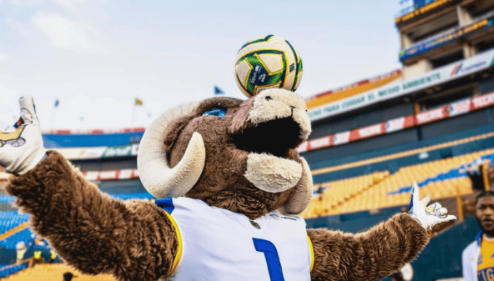
| Sports Teams and Events | Small, Medium, Large | Different sizes of sports mascots support merchandise sales and fan engagement | Team souvenirs, fan gifts, stadium displays, event mascots |
| Schools and Educational Programs | Small, Medium | Suitable sizes improve portability, safety, and interaction with children | School mascots, educational toys, activity rewards |
| Entertainment and Character Merchandise | Mini, Small, Medium, Large | Size variations support collectors and different customer preferences | Character collectibles, licensed merchandise, fan products |
| Theme Parks and Public Attractions | Large, Oversized | Large plush mascots create strong visual impact and visitor experiences | Park decorations, character meet-and-greet areas, photo spots |
| Online Retail Products | Mini, Small, Medium | Practical sizes reduce shipping costs and improve customer convenience | E-commerce sales, collectible series, gift products |
| Promotional Campaigns and Giveaways | Mini, Small | Smaller sizes allow cost-effective mass production and distribution | Advertising gifts, event souvenirs, customer appreciation items |
| Luxury or Limited-Edition Products | Medium, Large, Oversized | Larger sizes enhance premium value and exclusivity | Collector editions, anniversary products, special releases |
Summary
Size customization is a key factor in how plush mascots get designed and produced. Getting the right size helps the character look right, supports better user engagement, and makes it easier to fit multiple commercial needs. From tiny promotional gifts to big display pieces at events, choosing custom plush mascot sizes lets brands release items that feel useful, yet still memorable.
When businesses pay attention to the goal, the design level, the material choices, and the manufacturing needs, they can build plush mascots that really express their identity and help form durable connections with their audiences.