
How to Choose the Right Size and Shape for Custom Plush Toys
Custom plush toys are now used as promo gifts, brand mascots, store items, kids’ toys, and personal keepsakes. Whether a business wants to create a recognizable brand mascot or a manufacturer is developing a new plush toy collection, choosing the right size and shape is an essential part of the design process.
The size and shape of a plush toy influence more than its appearance. They also affect production costs,material consumption, sewing complexity, how much filling goes inside, what packing needs to look like, transportation and overall user experience. A good plush design needs to fit a mix of visual appeal, functionality, durability, and manufacturing feasibility.
So, how can businesses choose the right size and shape for custom plush toys? Start by looking at where the toy will be used, who will receive it, what the design must include, and what the production process can handle. That approach helps the final product match expectations.
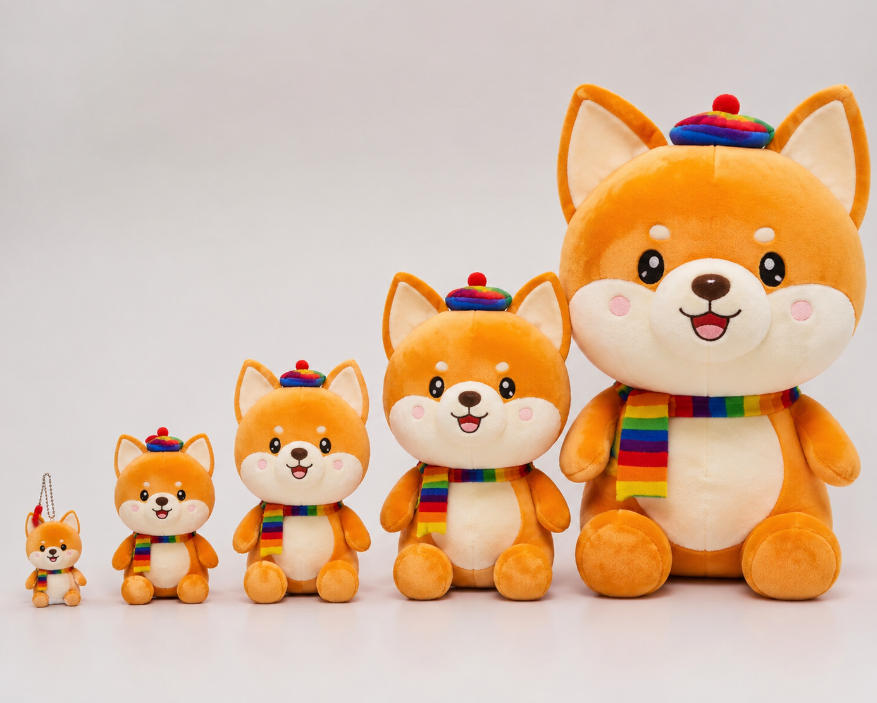
Understanding the Applications of the Custom Plush Toys
Before deciding on dimensions or shapes, you should map out how the toy will be used. Each use case pushes different design choices.
If the plush is for young kids, it needs to be easy to grab and hold. It should also stay light. Safety rules for that age group must be followed. If it is a brand mascot plush, the work is more about clear recognizable traits. That means the look, the proportions, and the brand feel should be close to the intended character. Promo plush toys often focus on being easy to carry and keeping costs down.
Clearly identifying the product’s purpose helps establish practical size and shape requirements before the design enters the sampling and manufacturing stages.
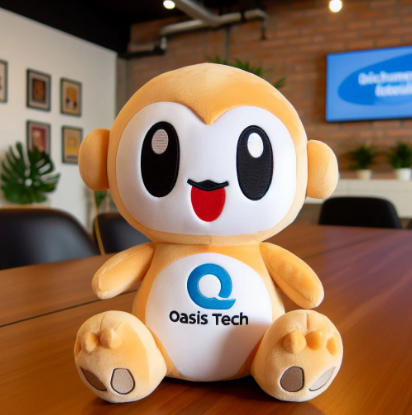
Key Factors to Consider for Choosing the Suitable Size and Shape for Custom Plush Toys
1. Target Audience
The audience is a key driver for the right plush dimensions.
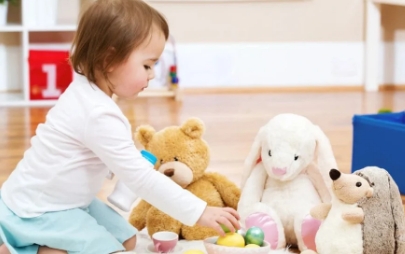
For babies and small kids, smaller and light plush toys are usually easier to manage. At the same time, every part has to meet safety needs tied to the age group. Plush toys for older teens and adults can include more fine details. They can also be larger, or shaped more like a themed item, based on what the toy is meant to do.
For company gifts and promo drives, compact plush toys can be a smart choice. They are simpler to mail, pack, and ship. On the other hand, large plush mascots fit better for fairs, big displays, and in-store events.
When you understand what the group likes and what they need in everyday use, you can guide the design toward something that feels right, looks strong, and works for the people who will use it.
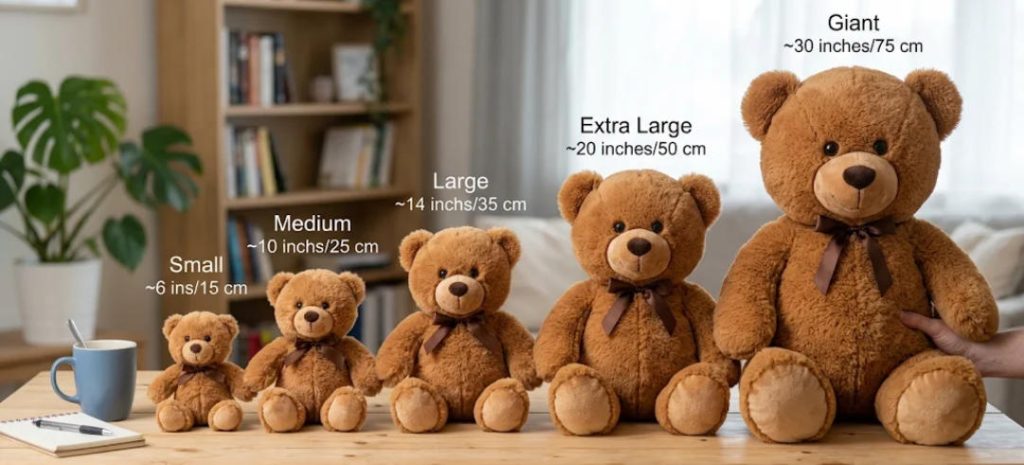
2. The Appropriate Plush Toy Size
Custom plush toy size is one of the most noticeable characteristics. It affects the product’s visual impact, comfort, manufacturing cost, and packaging requirements.
| Plush Toy Size | Approximate Height | Main Characteristics | Suitable Applications |
| Mini Plush Toys | 5–10 cm | Compact, lightweight, and easy to carry | Keychains, promotional gifts, souvenirs |
| Small Plush Toys | 10–20 cm | Portable and convenient for everyday use | Children’s gifts, collectibles, giveaways |
| Medium Plush Toys | 20–40 cm | Balanced size with sufficient space for character details | Retail products, personalized gifts, brand mascots |
| Large Plush Toys | 40–60 cm | More noticeable appearance with larger decorative features | Home decoration, special gifts, character toys |
| Extra-Large Plush Toys | 60–100 cm | Oversized design with greater visual impact | Promotional displays, oversized gifts |
| Giant Plush Toys | Over 100 cm | Highly visible, substantial size, and customized structure | Exhibition displays, brand promotion, large decorative toys |
When setting dimensions, do not judge the product by height only. Check the toy’s height, width, depth, and general shape. A wide animal plush will usually need more fabric and stuffing than a taller plush with a slimmer build.
It is also important to confirm whether the specified size refers to the finished stuffed product or the unstuffed pattern dimensions. This prevents misunderstandings during sample approval and mass production.
3. The Suitable Shape that Matches the Character Design
The shape of a custom plush toy determines how closely the finished product resembles the original character, animal, or concept.
| Plush Toy Shape | Character Design | Key Features | Suitable Applications |
| Round Shape | Cartoon characters, bears, chicks, and mascots | Soft, compact, and easy to hold; creates a cute appearance | Promotional gifts, children’s toys, collectibles |
| Oval Shape | Rabbits, seals, penguins, and other animals | Smooth body contours with balanced proportions | Animal plush toys, character toys |
| Cylindrical Shape | Snakes, caterpillars, and cartoon figures | Elongated body with flexible design possibilities | Novelty plush toys, decorative toys |
| Human-like Shape | Cartoon people, superheroes, and brand mascots | Includes a head, body, arms, and legs for recognizable character details | Brand mascots, customized character dolls |
| Animal-shaped | Dogs, cats, elephants, lions, and other animals | Reproduces distinctive animal features, such as ears, tails, and limbs | Educational toys, animal collections |
| Fruit-shaped | Strawberries, oranges, avocados, and bananas | Bright colors and recognizable fruit outlines | Promotional merchandise, novelty gifts |
| Star or Heart Shape | Fantasy characters and decorative mascots | Distinctive outlines with simple construction | Souvenirs, Valentine’s gifts, promotional products |
For brand mascots, maintaining the correct proportions and recognizable details is particularly important. Even when a design is simplified for production, its key visual characteristics should remain consistent with the original artwork.
A practical plush toy shape should also have sufficient structural support to maintain its appearance after stuffing and repeated handling.
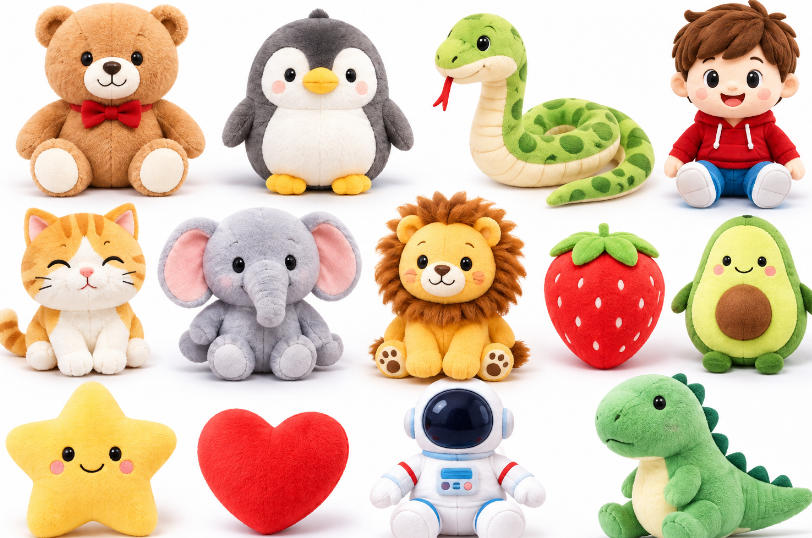
Shapes of Custom Plush Toys
4. Balancing Design Complexity and Manufacturing Feasibility
Detailed plush designs can grab attention, but complex forms can also slow down making the toy and raise costs.
More complex shapes often mean extra fabric panels. They can also demand special stitching, extra embroidery, and more careful fitting during assembly. Thin pieces and small parts are harder to produce the same way each time, which matters even more when you make many units.
For instance, a character with many narrow fingers, long curved tails, or detailed facial features may need changes. Those changes can make sewing and stuffing more manageable.
A manufacturer can keep the character’s look while reducing trouble points. Examples include making tiny parts larger, cutting back on seams that are not needed, and adjusting the body shape so it is easier to produce.
The aim is to keep creative traits, while still meeting three needs: visual accuracy, good quality, and practical manufacturing.
5. Fabric and Stuffing Materials
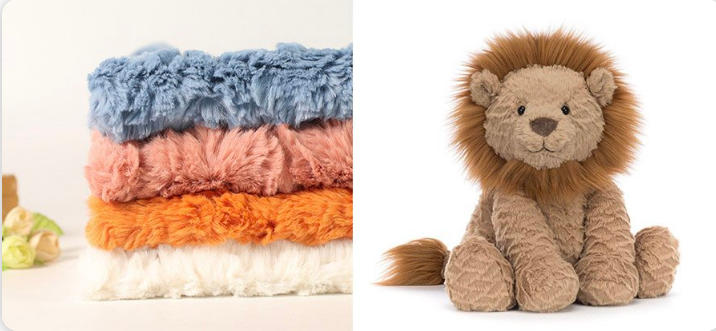
Fabric choice and stuffing choice can change the final size and how the plush looks.
Different plush fabrics vary in thickness and stretch. They also differ in softness and surface feel. Short-pile plush, long-pile plush, velboa, and other common options can each create a different look and touch.
Long-pile fabric may make a toy look rounder and fuller. Short-pile fabric can make outlines easier to see, and embroidery can stand out more clearly.
Stuffing, like polyester fiberfill, affects softness, firmness, and shape retention. Too little stuffing can make the toy look flat or change the intended proportions. Too much stuffing can make parts feel overly hard and may even warp the look in some areas.
Manufacturers should evaluate the interaction between fabric, stuffing density, pattern dimensions, and finished-product measurements during sample development.
6. Thinking About Packaging, Storage, and Transportation
Packaging and logistics matter when you pick plush toy dimensions.
Bigger plush items take up more storage room. They can also raise shipping cost because package volume goes up. Smaller plush products usually pack more easily. They are also simpler to store and send, which helps businesses with large promotional runs.
Some plush toys can be packed flat in a vacuum bag, or pressed down, for shipping. This depends on what the toy is made from and how it is built. Still, companies should verify that the toy will bounce back and keep its look after the pressure is removed. Decorative parts and overall form should not take a lasting hit.
Retail packs need to do two jobs at once. They must keep the plush safe during handling. At the same time, they should show the toy in a way that looks good to buyers.
Considering packaging requirements during the design stage can help avoid unnecessary expenses and logistical difficulties later.
7. Creating and Evaluating a Physical Sample
A physical sample is one of the most effective ways to evaluate the size and shape of a custom plush toy before mass production.
When the sample is ready, review the match to the approved measurements. Look at the body layout too. It should look balanced, not stretched or uneven. Also confirm that key character details show up the way they were intended.
Next, check more practical build points. Review stitch work, fabric choice, stuffing spread, and how well the toy holds its form.
If anything feels off, the team can still change the pattern, adjust the size, or swap materials before the pre-production sample is locked in.
Work with an Experienced Custom Plush Toy Manufacturer
A skilled plush toy manufacturer can speed up the whole design and build process.
A good manufacturer can review the artwork, suggest sizes that fit the design, and handle shapes that are hard to make. They can also pick fabrics that suit the product. Then they can build samples based on your specific needs.
Manufacturers can also share guidance on production costs. They may discuss minimum order counts, packaging options, and quality checks.
If a business is creating custom plush mascots, promo items, or store collections, talk with the factory early. This can flag potential issues sooner. It can also lower the number of rounds of changes.
As an experienced custom plush toy manufacturer, Implementer designs and makes plush toys to meet each customer’s needs. The company handles custom plush mascots and character toys, along with promotional gifts and made-to-order stuffed animals. Implementer supports flexible customization, careful material selection, and solid manufacturing support. With a focus on product quality, original design, and steady output, Implementer helps businesses turn their ideas into plush toys that look right and feel right.
Final Words
Selecting the right size and shape for custom plush toys requires more than selecting attractive dimensions. Businesses need to consider the intended application, target audience, character design, material selection, manufacturing feasibility, packaging, and budget.
A suitable size ensures that the plush toy easy to handle and comfortable to use. The right shape also keeps the look true to the original design. It can make the toy feel more attractive overall. Creating and evaluating physical samples can check how the design comes out and see if it can reach a clean, high-quality final result.
By balancing creativity with manufacturing requirements and working closely with an experienced custom plush toy manufacturer. Businesses can end up with plush toys that fit their brand style, practical needs and commercial goals.