
Custom Plush Toys Wholesale: The B2B Sourcing Handbook
Custom plush toys wholesale. It is never just about finding the lowest price and placing an order. Design back and forth, material calls, cost breakdowns that surprise you later, compliance paperwork you didn’t know you needed, sampling rounds, bulk production, inspections, freight… every single step has variables. Miss one thing and you are looking at delays. Miss a big thing, and the whole shipment is dead on arrival. Unsellable.
This handbook walks through the entire decision chain from a buyer’s perspective. By the time you finish reading, you will know exactly what to ask suppliers, what details actually matter, and, just as important, what landmines to step around.
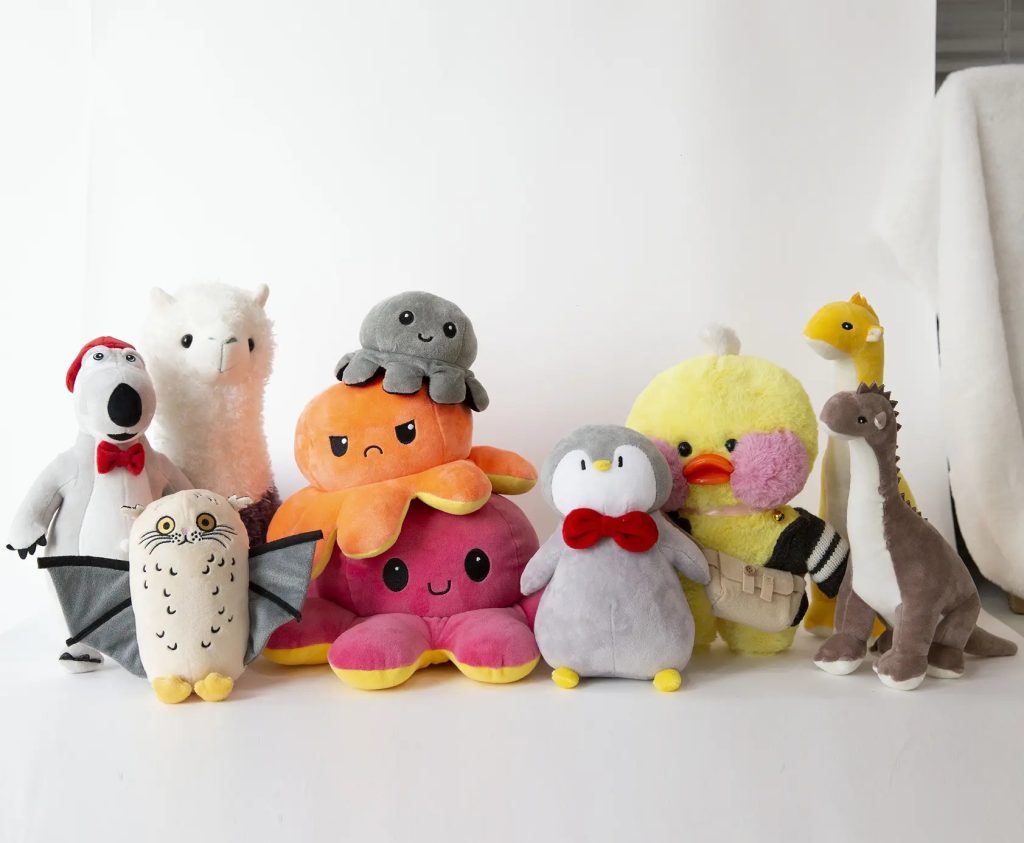
Why Custom Plush Toys Wholesale Is Taking Over Brand Merchandising
More and more brands are pulling budget from mugs and t-shirts and funneling it straight into plush. Why the shift?
First off, exposure length. It is not even close. A promotional pen? Gone in a few weeks. A free t-shirt? Washed out and warped after one season. But a custom plush toy? That thing sits on a desk, a bookshelf, or right next to the pillow for years. It is basically a tiny desktop billboard with a multi-year lease. Fast-moving promo items just can not compete with that kind of staying power.
Second, there is a higher perceived value at play here. A custom plush toy whispers, “This brand pays attention to the details.” It is not a generic bulk item that everyone else is handing out. When the fabric feels right and the embroidery is sharp, your client feels the difference. They feel like they matter.
And third, for anyone in the IP game. From indie illustrators to viral character accounts, turning a flat 2D drawing into a tangible, huggable 3D object? That is one of the most efficient monetization moves in the fan economy right now. Kickstarter limited run or standard merch drop, the plush SKU is almost always the first one gone.
4 Questions to Answer Before Starting Your Custom Plush Toys Wholesale Project
Before you fire off that first inquiry email, lock down these four answers. They will shape everything. Communication speed, cost brackets, all of it.
Who Is Your Target Audience for Custom Plush Toys Wholesale?
Age group dictates process. And safety specs. It is that simple.
0 to 3 Years (Infants): This is about safe stuffed animals for infants. And that? That’s the wall. Non-negotiable. Facial features must be embroidered. Zero hard plastic parts allowed. No plastic eyes, no plastic noses. Every tiny component has to survive severe pull tests.
3 Years and Up: Things relax a little. But attachments still need to hold on tight. You can lean more into prints or embroidery based on the actual design.
Collectors / Adults: Safety regs step back a bit. What steps forward? Design accuracy. Premium packaging. Limited edition numbering. That is what drives the premium price point.
What’s the Real Cost Structure of Custom Plush Toys Wholesale?
Staring only at the unit price. That is the rookie move. The actual cost sheet has at least six lines you need to track.
| Cost Item | Details |
| Unit Price | Directly tied to size, fabric choice, complexity, and volume. |
| Sampling Fee | One time charge. Some shops credit this back to the bulk order. |
| Mold Fee | Only applies if you need weird custom plastic bits. Shaped eyes, clips, etc. |
| Packaging | Massive difference between a plain OPP bag and a custom printed box. |
| Freight | Sea vs. Air vs. Express. Price gap can be multiples, not percentages. |
| Duties & Clearance | Depends entirely on the destination country and HS code classification. |
Lowest unit price rarely means lowest total cost. The sneaky extra charges are usually hiding in the fine print of the quote sheet.
Is Your Artwork Ready for Custom Plush Manufacturing?
A factory is a production house. Not a design agency. The sharper your inputs, the smoother the sampling phase.
Ideal submission packet includes:
Special notes. Where does the embroidery go? Where does the print sit? Where do the accessories attach?
Front, side, and back views. Hand sketch is fine. Just label it clearly.
Color references. Pantone codes are best. If not, a physical color swatch will be mailed over.
Dimensions. Height, width, depth.
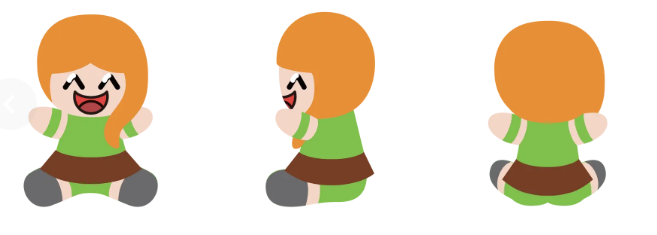
A pattern maker has to slice that 2D drawing into flat fabric panels and sew it back into a 3D shape. If all you have is a napkin sketch and a paragraph of text… it can still work. Just budget extra time for the chat and the revisions.
Who Owns the Copyright for Your Custom Plush Design?
Reputable shops ask this upfront. Every time.
Original Characters: Do the copyright registration early. Some customs offices require proof for border clearance.
Licensed IP or Collabs: You need the authorization letter from the rights holder. Good factories will verify it before cutting a single stitch.
Public Domain: Classic fairy tales where the copyright has expired are fair game. Just be careful. Specific versions of that character might still have active trademark protection.
The Complete Custom Plush Toys Wholesale Process: From Concept to Delivery
Know the whole flow. It helps you know when to push and when to wait.
Step 1: Inquiry and Needs Assessment
How fast you get a solid quote depends on how complete that first email is. Send it all at once: Design mockup or reference image. Target dimensions. Estimated order quantity. Target market (so they know what compliance rules apply). Desired delivery window. Factories usually get back to you with a ballpark number in one to three business days.
Step 2: Quotation and Contract Lock-In
A proper quote sheet spells out the unit price (tied to that estimated volume), the MOQ, sampling fees, and the refund terms for them, bulk production lead time, payment terms (30% deposit with 70% balance before shipment is pretty standard), and the Incoterms (FOB, CIF, DDP, whatever). The contract should anchor “Approved Sample” as the gold standard for bulk inspection. That is the industry norm.
Step 3: The Sampling Stage
This step. You can not skip it. You can not rush it. Sampling is not just about seeing what it looks like. You are checking the feel of the material you select for custom plush toys, the density and pop of the embroidery, whether the print color actually matches the file, the squish factor, and whether the thing stands up straight. You are also sniffing out loose threads and dodgy small parts.

Turnaround is usually one to two weeks. If the budget allows? Do two rounds. First prototype locks in shape and size. Second prototype confirms those tweaked details.
Three traps people fall into here:
Photos vs. Reality Shock. Ask for a video of the sample under different lighting. Do not rely on retouched photos.
The Feel Is Off. Get the factory to mail a fabric swatch card before you sign off on the sample. Touch it first.
Color Drift. Provide Pantone codes. And ask them to check colors under a standard light source.
Step 4: Bulk Production
Sample is signed off. The line starts moving. Standard flow goes: Cutting → Sewing (facial embroidery usually locks in here) → Stuffing → Decoration (printing or accessory assembly) → Quality Check → Packing. The real secret to mass production is line management. Clear quality gates at every station. That determines if all the units look like siblings or distant cousins.
Step 5: Quality Inspection and Audits
Three common ways to do this:
Live Video Inspection: Good for smaller runs or when you already have a groove with the supplier.
Third Party Inspection: Hire a pro firm to do an independent check. Worth it for big shipments or high-value projects.
Send Your Own Person: Highest cost option. But you get the tightest grip on quality control.
Inspections usually run on AQL sampling standards. For toys? Safety defects get a zero-tolerance flag.
Step 6: Logistics and Customs
| Shipping Method | Transit Time | Cost | Best For |
| Express (DHL/UPS/FedEx) | 3 to 7 days | Highest | Samples or very tiny batches. |
| Air Freight | 7 to 14 days | Medium to High | Urgent restocks of 100 to 500 units. |
| Sea Freight | 20 to 45 days | Lowest | Regular orders over 500 units. |
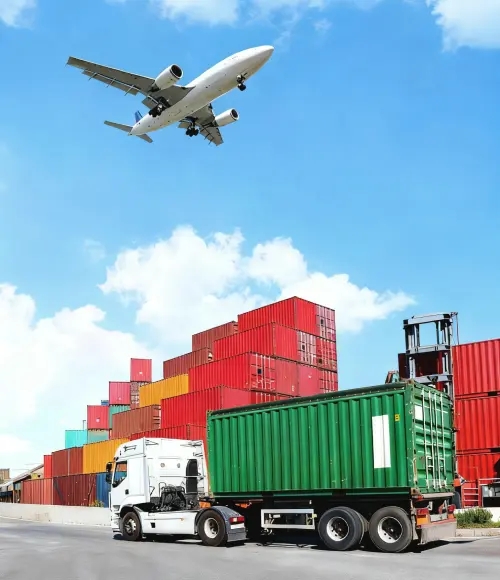
Documents you need lined up for customs: Bill of Lading, Commercial Invoice, Packing List, Certificate of Origin, and Test Reports. If the whole clearance dance feels like a foreign language, lean on a freight forwarder or let the supplier handle the door-to-door leg.
How to Choose the Right Custom Plush Toys Wholesale Supplier
This is the heart of it. Five dimensions make up a reusable supplier vetting framework.
1. Compliance Credentials
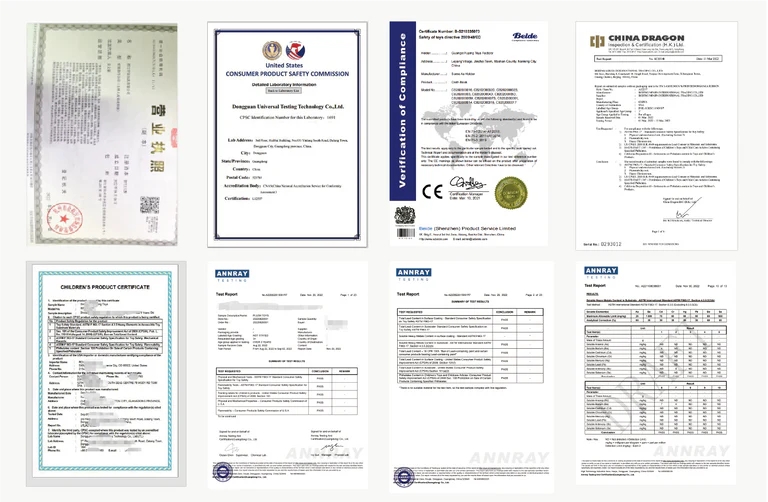
Certifications are the entry ticket. Not a bonus star. Here is the cheat sheet by market.
| Target Market | Key Certifications |
| United States | ASTM F963, CPSIA (for children’s products) |
| European Union | EN71 (Mechanical, Flammability, Chemical Migration) |
| United Kingdom | UKCA |
| Canada | CCPSA |
| Australia / New Zealand | AS/NZS ISO 8124 |
If the toy has a battery or electronics inside, you are also looking at FCC, CE-EMC, and that whole electromagnetic headache.
What to ask: “Can you send over your latest ASTM F963 and EN71 lab reports? And does the company name on the report match the name on your business license?”
2. Production Capacity
Three numbers to watch:
Monthly Output. Shows how much of the factory’s brain space your order will occupy.
Line Count and Headcount. Determines how much flex they have on deadlines.
In House Embroidery AND Printing. If they have to outsource one of these steps for a mixed media design, you just added days to the schedule and opened up a new variable for quality drift.
What to ask: “How many stations are running on the floor right now? What’s the rough monthly output? If I drop 5,000 units on you, what percentage of your monthly capacity does that eat up?”
3. MOQ and Pricing Reality
Industry MOQ tends to hover between 100 and 500 pieces. Unit price movement by volume tier usually looks like this:
| Order Volume | Price Trend | Typical Scenario |
| 50 to 300 units | Higher | Dipping a toe in the water. |
| 100 to 500 units | Moderate | Market testing. Crowdfunding campaigns. |
| 500 to 1,000 units | Lower | Regular restock. Established brand. |
| 1,000+ units | Lowest | Stockpiling for year round sales. |
Heads up. Some places advertise a low MOQ but make up for it with a high unit price or tacked-on fees. It is a shell game.
And the question you want to float out there? “Walk me through the unit price at 100 pieces. Then 500. And what happens if we push to 2,000? Also, that sampling fee. Does it get credited back once we place the bulk order? Or is that just a separate cost we absorb?”
4. Communication and Service Ethic
Speed, smarts, and initiative. Those are the soft metrics. Hit up two or three shops at the same time and watch how they move.
Do they write back within a day?
Did they actually suggest a better way to do something on your design?
Is the quote breakdown clean or a mess of hidden cells?
Did they ask about your target market to double check compliance?
What to ask: “From the time I send you the artwork, how many workdays until I see a first round quote? And how many back and forth rounds usually happen in the sampling tweak phase?”
5. Past Work Portfolio
Asking to see case studies is standard procedure. They can blur out the client logos. You are looking for two things:
Is there a project in their history that vibes with your style?
Do the close up details on those past jobs (stitch density, print clarity) hold up?
What to ask: “Mind sharing a few photos of bulk orders you’ve finished? If you have anything close to our design vibe, that would be extra helpful.”
Why Choose Implementer for Your Custom Plush Toys Wholesale Needs
Implementer is set up to handle global custom plush toys wholesale projects from start to finish. We built our service chain around the stuff buyers actually stress about. Compliance, capacity, quality consistency, and clear communication.
Compliance is handled. Implementer have the paperwork. ASTM F963. CPSIA. EN71. UKCA. All of it. Current. But here is the part that actually matters when you are staring at a customs hold. The company name printed on those test reports? It is the exact same name you see on our business license. Sounds like a small detail. It is not. It is the difference between smooth clearance and a very annoying week of emails. For brands heading into the US or European market, that means you do not have to hold your breath during customs clearance.
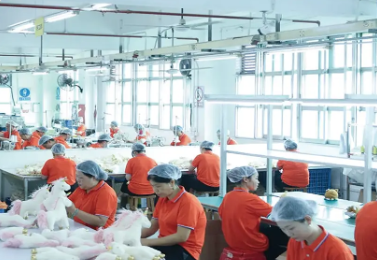
Dual line support under one roof. We run both computerized embroidery lines and digital printing lines in-house. If your design uses a hybrid approach, think embroidered face for safety but a printed body for complex color detail, the whole order stays right here. No outsourcing delays. The quality standard stays consistent across both techniques.
Low MOQ with flexible production. Most designs can kick off at just 100 pieces. That is low enough for a first-run market test without drowning in inventory. And if you are a big brand with a larger bulk requirement? The line has the capacity to scale right up.
Free design assessment upfront. Before a single sample is cut, our design team takes your sketch or reference image and builds a digital mockup with process notes. We revise until you nod. That little step cuts down on the expensive back and forth during physical sampling.
Full chain quality control. From raw fabric entering the factory to the finished carton getting taped shut, a QC team is watching. We run 100% inspection on all outgoing goods. Maybe you want an independent set of eyes on the goods. Or just a solid video walkthrough of the finished shipment before everything gets taped shut and rolled out. We can make that happen. Easy enough.
FAQs About Custom Plush Toys Wholesale
Q1: What’s the average price for custom plush toys wholesale?
Price depends on size, fabric, how complex the build is, and how many you are ordering. Basic plush designs can sit in the single digit dollar range at wholesale volumes. Custom pieces swing higher depending on those labor touches. Easiest way to lock down a real number? Send the artwork and estimated quantity to two or three shops. Initial quotes from legit factories are free.
Q2: What is the typical MOQ for custom plush toys wholesale?
The usual range you see is 100 to 500 pieces. Some flexible supply chain shops will do a trial run of 50 to 100 pieces, but the unit cost ticks up a bit to cover the setup hassle. If you only need 10 or 20 pieces… honestly, traditional wholesale is not the cost-effective path for that. If the MOQ is just out of reach, try negotiating. You might trade a slightly higher per piece cost for a lower entry volume. Or split the order into different colorways that count toward the same total.
Q3: How long does custom plush toys wholesale production and shipping take?
Sampling usually runs 1 to 2 weeks. That does not include the time spent emailing revisions back and forth. Bulk production is another 2 to 4 weeks on average. Sea freight adds 2 to 6 weeks depending on the port. A safe overall window to bank on is 2 to 3 months from start to unboxing.
Q4: How can I ensure quality consistency in my custom plush toys wholesale order?
Anchor the contract to the “Approved Sample.” That is the bible for the bulk run. Before the full shipment leaves, you can ask for a pre production sample to lock in the final look. Or bring in a third party inspection crew to run an AQL spot check.
Q5: What safety certifications are required for custom plush toys wholesale?
US bound goods need ASTM F963 and CPSIA. Europe needs EN71 (covering mechanical, flammability, and chemical migration stuff). The UK wants UKCA. Canada looks for CCPSA. Australia and New Zealand go by AS/NZS ISO 8124. Always tell the factory where the stuff is going at the very start of the conversation.
Q6: Which shipping method works best for custom plush toys wholesale orders?
Sea freight costs the least but takes the longest, usually 20 to 45 days. It is the go to for large restocks where you planned ahead and allowed for port congestion. Air freight gets it there in a week or two, but runs three to five times the cost of sea. Good for an emergency gap fill. Express shipping (the DHL/UPS/FedEx route) lands in under a week, but the cost is steep. Reserve that for samples or tiny urgent batches.